Fat Thursday
Poland, Germany, Sweden, Finland, Netherlands, Lithuania
About
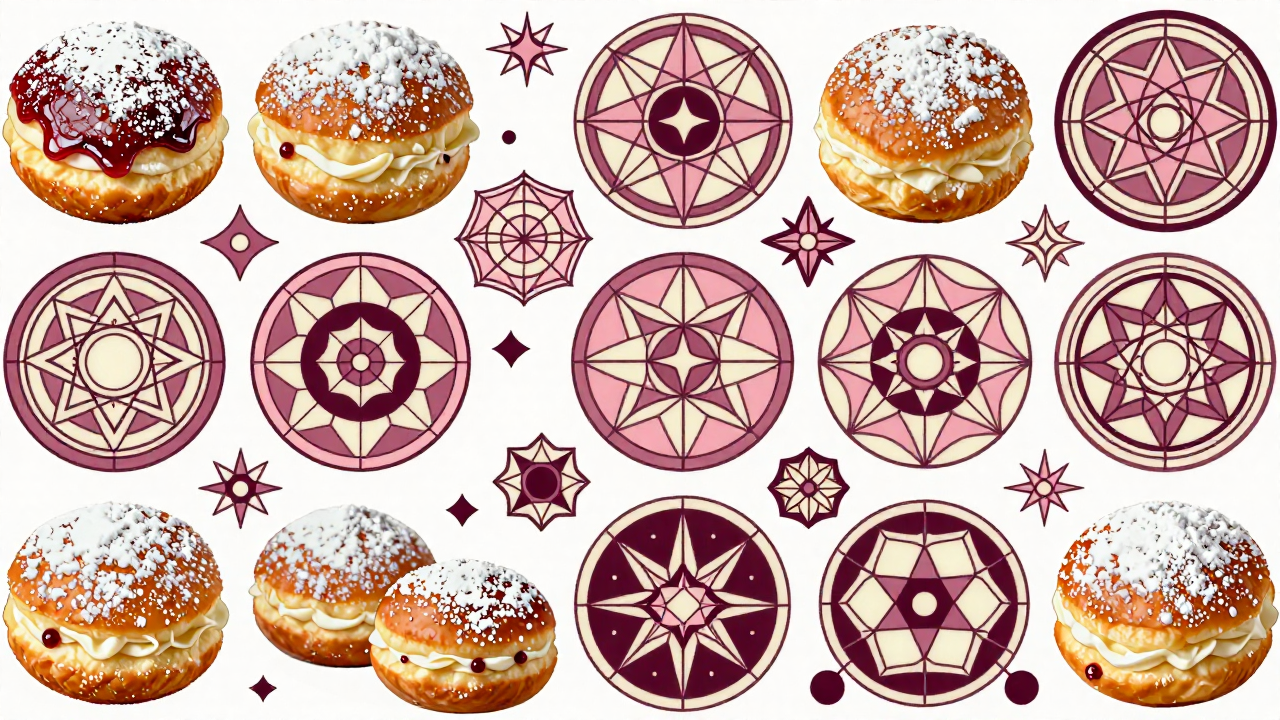
Fat Thursday, observed on February 4, is a delightful celebration that marks the beginning of the pre-Lenten festivities in many cultures, particularly in Poland and other parts of Europe. This joyous occasion serves as a final opportunity to indulge in rich and decadent foods before the observance of Lent. Traditionally, it’s a day filled with culinary delights, especially sweet treats such as pączki, which are delicious jam-filled doughnuts that are a staple of the festivities. The day is all about savoring the last moments of indulgence, making it a truly joyous occasion for food lovers.
As families and friends come together to celebrate Fat Thursday, the atmosphere is vibrant and full of laughter. People often gather to enjoy not only the delectable pastries but also to share stories and create lasting memories. The essence of this day is rooted in the idea of enjoying life’s pleasures before the solemnity of Lent begins. So, whether you’re indulging in a pączek or simply celebrating with loved ones, Fat Thursday invites everyone to embrace the joy of community and the sweetness of life, making it a perfect precursor to the more reflective days ahead.
History
Fat Thursday, observed on February 4, has its roots deeply embedded in the traditions leading up to Lent, particularly in many European cultures. The holiday is often associated with the last chance to indulge in rich foods before the fasting season of Lent begins. The origins of Fat Thursday can be traced back to the Christian calendar, where it serves as a day for feasting and revelry before the solemnity of Lent starts. This day is particularly noted in countries like Poland and parts of Germany, where it is known as "Tłusty Czwartek" and "Fetter Donnerstag," respectively.
Historically, Fat Thursday has evolved from a local observance to a more widespread celebration. In its early days, it was primarily a day for consuming foods that were rich in fats and sugars, as these were often restricted during the Lenten period. As time progressed, the celebration took on a more festive atmosphere, incorporating various traditions and customs. In Poland, for instance, it became customary to indulge in pączki, which are filled doughnuts that symbolize abundance and festivity. The practice of enjoying these treats spread to other regions, adapting to local culinary practices.
Culturally, Fat Thursday holds significant importance as it symbolizes the transition from a period of indulgence to one of restraint. It serves as a moment for families and communities to come together, share meals, and enjoy each other's company before entering the reflective and often austere season of Lent. The day is marked by various festivities, including parades and parties, which contribute to its celebratory nature. In some regions, it is customary to host gatherings where friends and family can enjoy a wide array of pastries and dishes, reinforcing communal bonds.
As societies have modernized, the essence of Fat Thursday has remained intact, though the ways in which it is celebrated have diversified. Today, many people still participate in the tradition of indulging in rich foods, while also incorporating contemporary elements such as themed events and social media celebrations. Despite these changes, the core message of Fat Thursday—of enjoying life's pleasures before embracing a period of reflection—continues to resonate, making it a cherished observance in various cultures around the world.