Niagara Falls Runs Dry Day
About
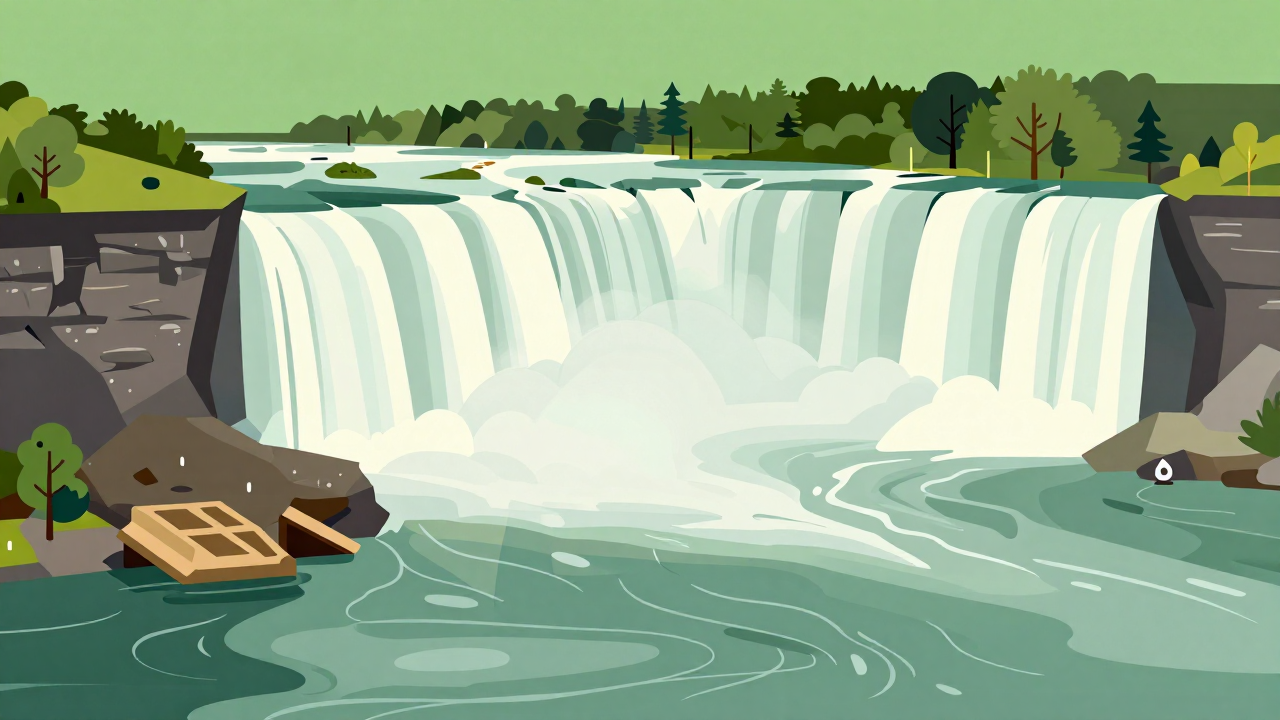
Niagara Falls Runs Dry Day, celebrated on March 29, is a unique observance that invites us to reflect on the majestic beauty and power of one of the world's most iconic natural wonders. The day commemorates the fascinating historical event in 1965 when the American side of Niagara Falls was temporarily shut off for maintenance. This rare occurrence allowed us to see the falls in an entirely new light, revealing the rocky bed beneath and offering a glimpse into the natural forces that shape our world.
On this special day, people are encouraged to appreciate the significance of water in our lives and the beauty of nature. It serves as a reminder of how vital it is to cherish and protect our natural resources. Niagara Falls Runs Dry Day is not just about the moment the falls ran dry; it's an opportunity for everyone to engage in discussions about conservation, the importance of water sustainability, and the beauty that nature holds. So on March 29, take a moment to appreciate the wonders of nature and perhaps even plan a visit to witness the breathtaking power of Niagara Falls, where water flows freely once more.
History
Niagara Falls Runs Dry Day is observed on March 29 each year to commemorate a significant historical event in the natural history of one of the world's most famous waterfalls. The day marks the anniversary of a rare occurrence when, due to a combination of ice and weather conditions, the flow of water over Niagara Falls was temporarily halted in 1881. This event captivated the public's attention and sparked discussions about the power and unpredictability of nature, making it a poignant reminder of both environmental phenomena and human intervention.
The origins of this observance can be traced back to accounts of the unusual event itself. On March 29, 1881, a massive accumulation of ice upstream caused a significant reduction in the flow of the Niagara River, leading to a dramatic reduction of water cascading over the falls. This phenomenon was not only a spectacle for onlookers but also a moment of curiosity for scientists and engineers studying the hydrology of the area. Over the years, as the story of this event circulated, it prompted reflections on the beauty and power of Niagara Falls, ultimately leading to the establishment of a day to remember the occasion.
As time passed, Niagara Falls Runs Dry Day evolved from a mere commemoration of a historical occurrence into a broader observance that encourages appreciation for nature and its complexities. The day serves as an opportunity for individuals to reflect on the environmental challenges facing such natural wonders today, including climate change and water management issues. Additionally, it promotes awareness of the importance of conservation efforts to protect these majestic sites for future generations.
Culturally, Niagara Falls Runs Dry Day has taken on significance beyond its historical roots. It invites people to engage with the natural world, whether through visits to the falls, educational discussions, or community events focused on environmental stewardship. As part of the observance, many choose to participate in activities that celebrate the beauty of Niagara Falls and encourage sustainable practices that help preserve its grandeur. The day serves as a reminder that while humanity has harnessed much of the natural world, there are still moments when nature asserts its dominance, reminding us of our responsibility to protect and respect these extraordinary landscapes.