National Ram Day
About
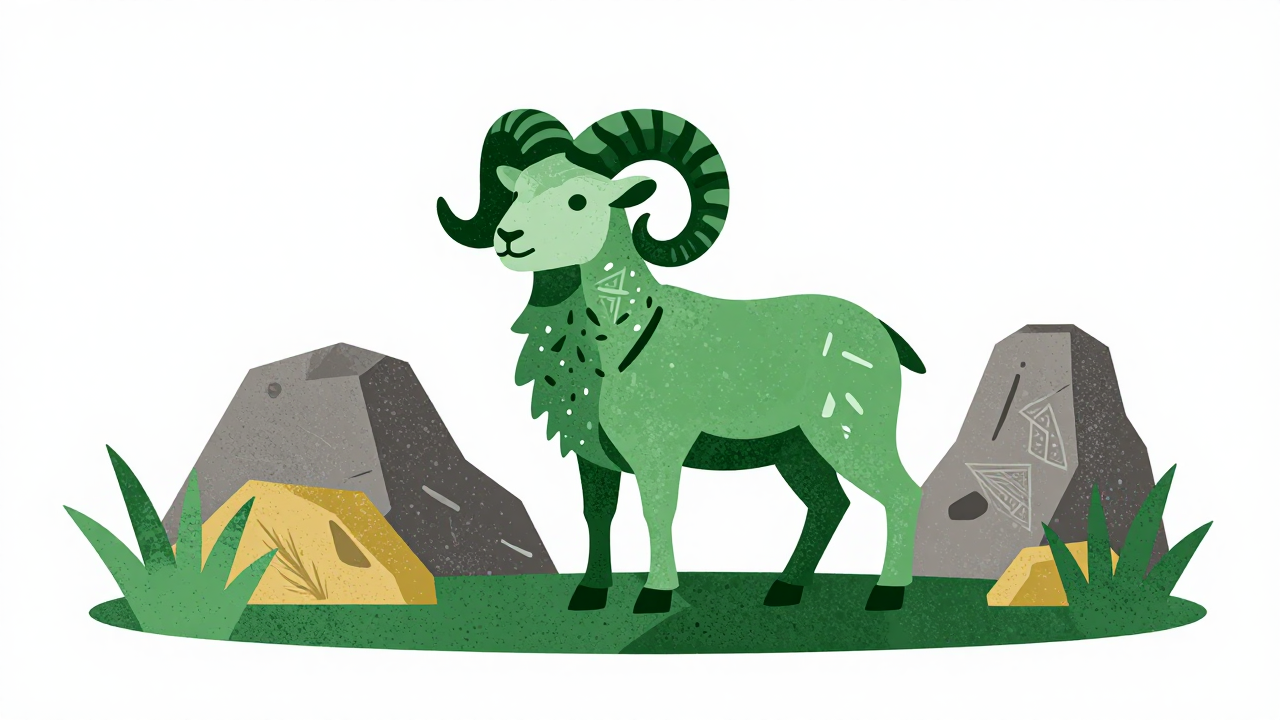
National Ram Day, celebrated on March 28, is a delightful occasion that invites us to honor and appreciate the strength and resilience symbolized by this remarkable animal. The ram, with its impressive horns and sturdy build, represents determination and perseverance, qualities that resonate with many of us in our daily lives. As we take a moment to reflect on these attributes, we can also celebrate the ram's significant place in various cultures and traditions throughout history.
On this day, individuals are encouraged to embrace the spirit of the ram—whether through sharing stories of personal triumphs, participating in community events, or simply enjoying the beauty of nature where these magnificent creatures roam. National Ram Day is not just about admiration; it's a reminder to embody the courage and tenacity that rams exemplify. So, gather your friends and family, share a meal, or partake in outdoor activities that allow you to connect with the powerful energy of this special day. Whether you’re a nature lover or someone looking to find inspiration, March 28 offers a unique opportunity to celebrate the ram and all it represents!
History
National Ram Day, observed annually on March 28, celebrates the significance of rams in various cultures and their contributions to agriculture, mythology, and symbolism. The origins of this observance can be traced back to ancient civilizations where rams were revered as powerful animals. In many cultures, rams were associated with strength, determination, and fertility, often symbolizing the vigor of spring. The timing of the holiday coincides with the onset of spring in the Northern Hemisphere, a season traditionally linked to renewal, growth, and the birthing of livestock, particularly sheep.
Over time, National Ram Day has evolved from a simple acknowledgment of the animal to a broader celebration of agricultural practices and the importance of livestock in human history. The observance encourages people to learn about the role of rams in farming, including their impact on wool production and meat supply. Additionally, various communities have embraced the day to promote awareness about sustainable farming practices, animal husbandry, and the ecological benefits of responsible livestock management.
Culturally, rams hold significant symbolism in numerous traditions. In ancient Greek mythology, the ram represents the Golden Fleece, a powerful symbol of authority and kingship. In the zodiac, Aries, represented by the ram, is associated with qualities of leadership and initiative. National Ram Day serves as a reminder of these cultural connections, prompting individuals to reflect on the deep-rooted ties between humanity and the natural world. As communities gather to celebrate on March 28, they often engage in various activities, such as educational workshops, farm tours, and festivals, which highlight the importance of rams in both historical and modern contexts.
In summary, National Ram Day is a celebration that honors the historical significance of rams and their contributions to agriculture and culture. Observed on March 28, it invites people to explore the multifaceted roles that these animals have played throughout history, encouraging a deeper appreciation for the agricultural practices that sustain our communities.