National Amber Day
Lithuania, Poland, Germany
About
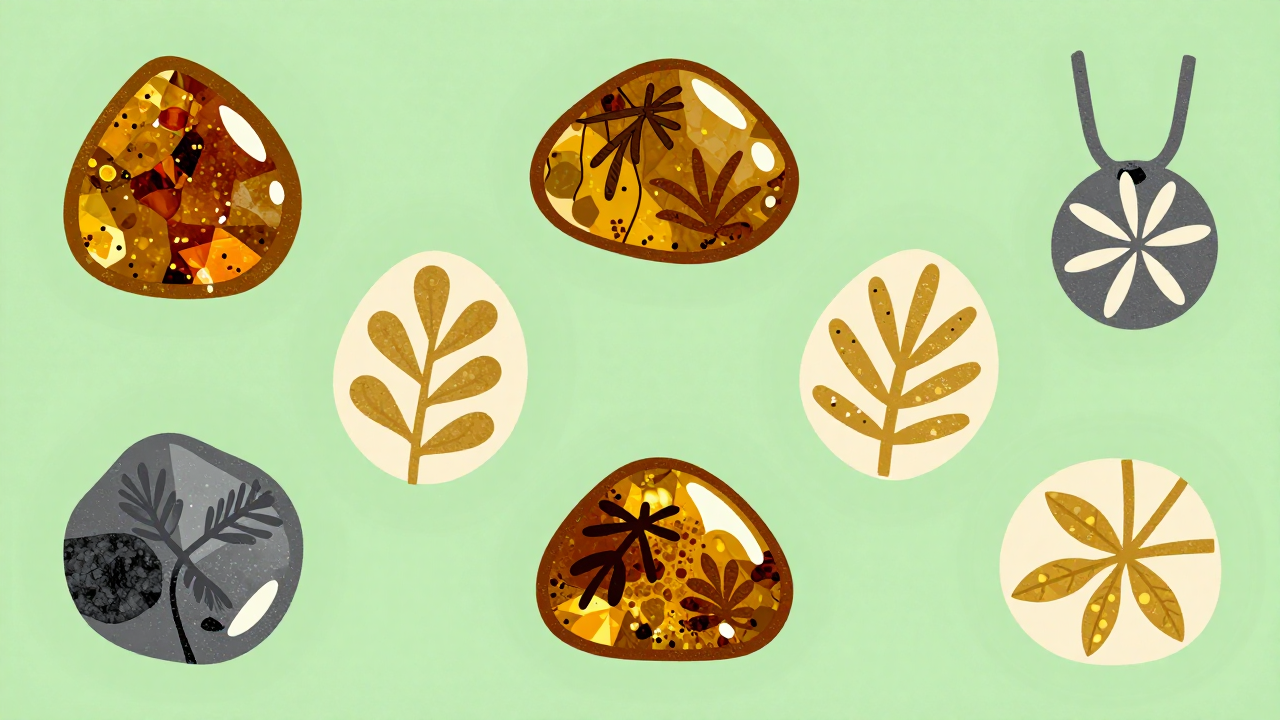
National Amber Day, celebrated on March 28, is a delightful occasion dedicated to honoring the beautiful and captivating gemstone known as amber. This unique fossilized tree resin has fascinated humanity for thousands of years, admired not only for its rich golden hues but also for the enchanting stories it often holds within. From ancient jewelry to modern art pieces, amber has been cherished across cultures, symbolizing warmth, protection, and a connection to nature.
On this day, enthusiasts and gem lovers alike come together to appreciate the natural beauty and historical significance of amber. Many celebrate by sharing their favorite pieces, learning about its formation and uses throughout history, and exploring the various ways amber is utilized in jewelry and decor. Whether you’re a collector or simply someone who appreciates the allure of this stunning gem, National Amber Day invites everyone to take a moment to reflect on the wonders of nature and the treasures it offers us. So, mark your calendars for March 28 and immerse yourself in the warm glow of amber!
History
National Amber Day, observed annually on March 28, celebrates the beautiful and ancient gemstone known as amber. The origins of this observance can be traced back to the increasing appreciation for amber, particularly within jewelry and decorative arts, as well as its significance in various cultures throughout history. Amber, fossilized tree resin, has been treasured for thousands of years, with its use dating back to the Stone Age. Its unique properties, including its warm color and ability to preserve ancient life forms, have made it a subject of fascination across civilizations.
As humans began to recognize the value of amber, it evolved from a mere decorative element to a symbol of healing and protection in many cultures. Ancient Greeks associated amber with the sun and believed it to have protective qualities. In ancient China, amber was used in traditional medicine, while the Baltic regions have long considered it a cultural treasure, often incorporating it into folklore and art. Over time, the appreciation for amber grew globally, leading to the establishment of National Amber Day as a way to honor its rich history and significance.
Culturally, amber holds a prominent place in various traditions and art forms. In addition to being used in jewelry, amber has been carved into intricate shapes and figures, serving both aesthetic and spiritual purposes. The observance of National Amber Day encourages individuals to explore the gemstone's multifaceted history, from its geological formation to its role in art and commerce. This day serves as an opportunity for enthusiasts and artisans to showcase their work, share knowledge about amber, and promote its continued appreciation in modern contexts.
As we celebrate National Amber Day each March 28, it is a reminder of the connections between nature, history, and culture. By understanding the evolution of amber and its significance across time and societies, we cultivate a deeper appreciation for this unique gemstone and the stories it tells. The observance not only honors the beauty of amber but also invites reflection on the ways in which natural materials can inspire creativity and cultural identity.