Easter
United States, Canada, United Kingdom, Australia, Germany, France, Italy, Spain, Brazil, Mexico, Argentina, South Africa, Philippines, Russia, Poland, Netherlands
About
Easter, observed on March 28 this year, is a joyous celebration that marks the resurrection of Jesus Christ, a cornerstone event in Christianity. This special day not only signifies renewal and hope but also invites people of all backgrounds to come together in a spirit of love and community. Traditionally, Easter is celebrated with various customs, including attending church services, festive meals, and fun activities like egg hunts and the giving of chocolate bunnies. These practices serve to bring families and friends closer, creating cherished memories that last a lifetime.
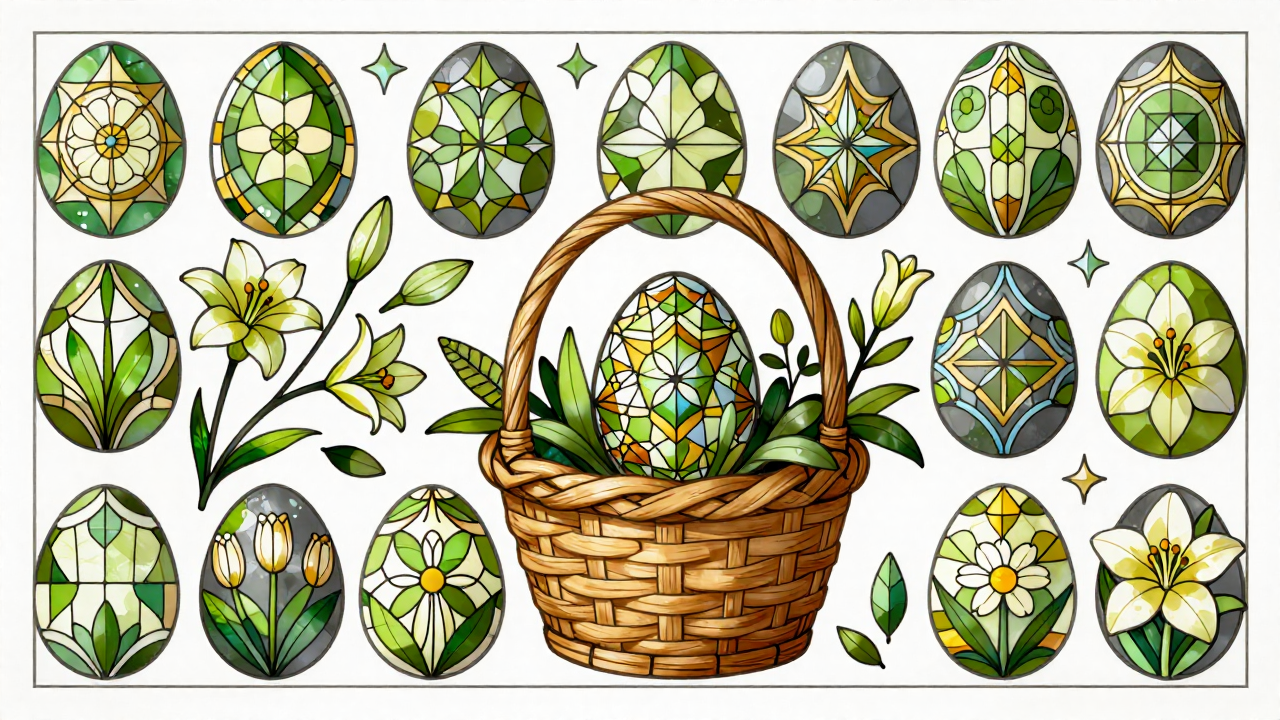
As spring blooms around us, Easter embodies the themes of rebirth and transformation. Many people decorate their homes with vibrant flowers and colorful eggs, symbols of new life and fertility. The day is often filled with laughter and joy, as children eagerly search for hidden eggs filled with treats. Whether it's a quiet gathering or a lively celebration, Easter on March 28 invites everyone to reflect on the themes of hope, love, and unity, making it a truly special occasion to cherish and celebrate with loved ones.
History
Easter is one of the most significant and widely celebrated holidays in the Christian calendar, marking the resurrection of Jesus Christ from the dead, as described in the New Testament of the Bible. The origins of Easter can be traced back to early Christianity, where it was first celebrated by the followers of Jesus shortly after his crucifixion and resurrection, which is believed to have occurred around the year 30-33 AD. Initially, early Christians continued to observe the Jewish Passover, as the events surrounding Jesus' death and resurrection were closely linked to this festival.
Over the centuries, the celebration of Easter evolved significantly. By the 2nd century, Christians began to commemorate the resurrection separately from Passover, leading to the establishment of Easter as a distinct holiday. The Council of Nicaea in 325 AD played a pivotal role in formalizing the date of Easter, determining that it should be celebrated on the first Sunday following the first full moon after the vernal equinox. This method of calculating the date resulted in Easter being observed on March 28 in some years. The term "Easter" itself is believed to have derived from "Eostre," the name of an Anglo-Saxon goddess of spring, reflecting the holiday's association with rebirth and renewal.
As Christianity spread across Europe, Easter absorbed various cultural traditions and customs. In many cultures, the holiday began to incorporate elements of local springtime festivals, which celebrated fertility and renewal. This blending of traditions led to the introduction of symbols such as the Easter egg, which signifies new life, and the Easter bunny, a figure brought to prominence in the 19th century in America. These symbols have become integral to contemporary Easter celebrations, often overshadowing the holiday's religious significance in secular contexts.
Easter is not only a time for religious observance; it has also grown into a major cultural event that encompasses various customs and traditions around the world. The holiday is marked by church services, family gatherings, and festive meals, as well as activities such as egg decorating and egg hunts. The date of March 28 serves as a reminder of the holiday's roots in both faith and tradition, emphasizing themes of hope, renewal, and community. As such, Easter continues to be a cherished observance for millions, reflecting both its profound religious significance and its rich tapestry of cultural practices.