National Piña Colada Day
United States
About
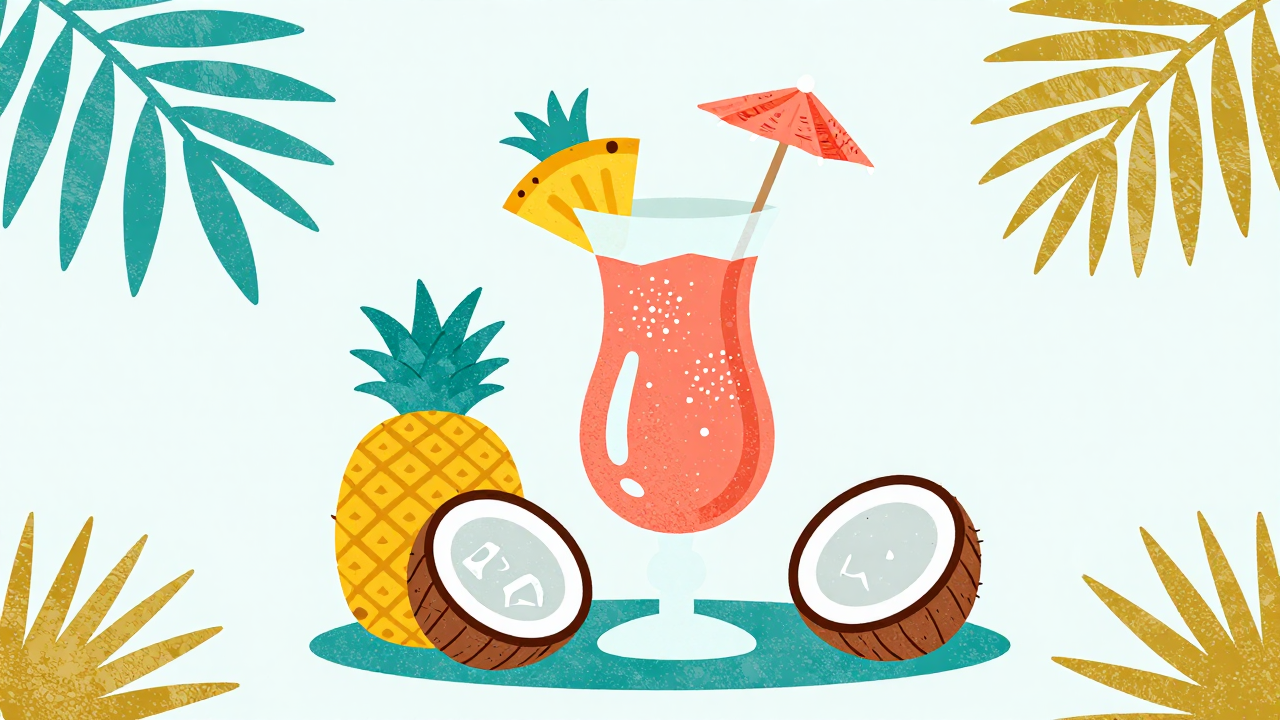
National Piña Colada Day, observed on July 10, is a cheerful celebration of one of the world’s most beloved tropical drinks. Made with creamy coconut, sweet pineapple, and rum, the piña colada is known for its refreshing flavor and island-inspired character. Whether served blended with ice or shaken and poured over it, this classic beverage brings a little taste of vacation to any occasion.
On July 10, people can celebrate by enjoying a traditional piña colada, trying a nonalcoholic version, or experimenting with creative twists featuring fresh fruit and coconut. It’s also a perfect opportunity to share the drink with friends, learn about its Puerto Rican roots, and raise a glass to relaxed summer moments.
History
National Piña Colada Day is observed annually on **July 10** as a celebration of Puerto Rico’s best-known cocktail and one of the world’s most recognizable tropical drinks. The observance belongs to the modern tradition of food-and-beverage appreciation days, which use a designated date to highlight a particular dish, ingredient, or drink. Public references commonly list July 10 for National Piña Colada Day, although the holiday does not appear to have a single universally documented founder or originating proclamation.
The history of the piña colada itself is closely associated with Puerto Rico. The Caribe Hilton hotel in San Juan credits bartender Ramón “Monchito” Marrero with creating the drink in 1954 after developing a mixture of pineapple juice, coconut cream, and rum for hotel guests. Another Puerto Rican establishment, Barrachina restaurant in Old San Juan, has credited bartender Ramón Portas Mingot with creating a version of the cocktail in 1963. Because both locations preserve competing origin stories, the precise invention of the drink remains disputed. What is clear is that the piña colada became firmly identified with Puerto Rico during the mid-20th century.
Over time, the drink evolved from a hotel and restaurant specialty into an international symbol of leisure and tropical hospitality. Improvements in commercial coconut products, the spread of blenders, and the growth of tourism helped make it easy to reproduce beyond Puerto Rico. Frozen versions became especially popular, while later variations introduced different rums, fresh fruit, flavored syrups, or nonalcoholic preparations. The cocktail’s popularity also received a major boost from the 1979 song “Escape (The Piña Colada Song)” by Rupert Holmes, which helped embed its name in popular culture, even though the song’s story is separate from the drink’s Puerto Rican origins.
Culturally, National Piña Colada Day offers an occasion to recognize Puerto Rico’s influence on cocktail history and to celebrate the drink’s association with beaches, travel, music, and summer recreation. On **July 10**, people may mark the observance by enjoying a traditional piña colada, learning about its disputed Puerto Rican history, or preparing an alcohol-free version. The day’s significance rests less on a long-established historical ceremony than on the way a modern observance draws attention to a cocktail that has become both a source of local pride and a global emblem of tropical refreshment.