National Loyalty Day
United States
About
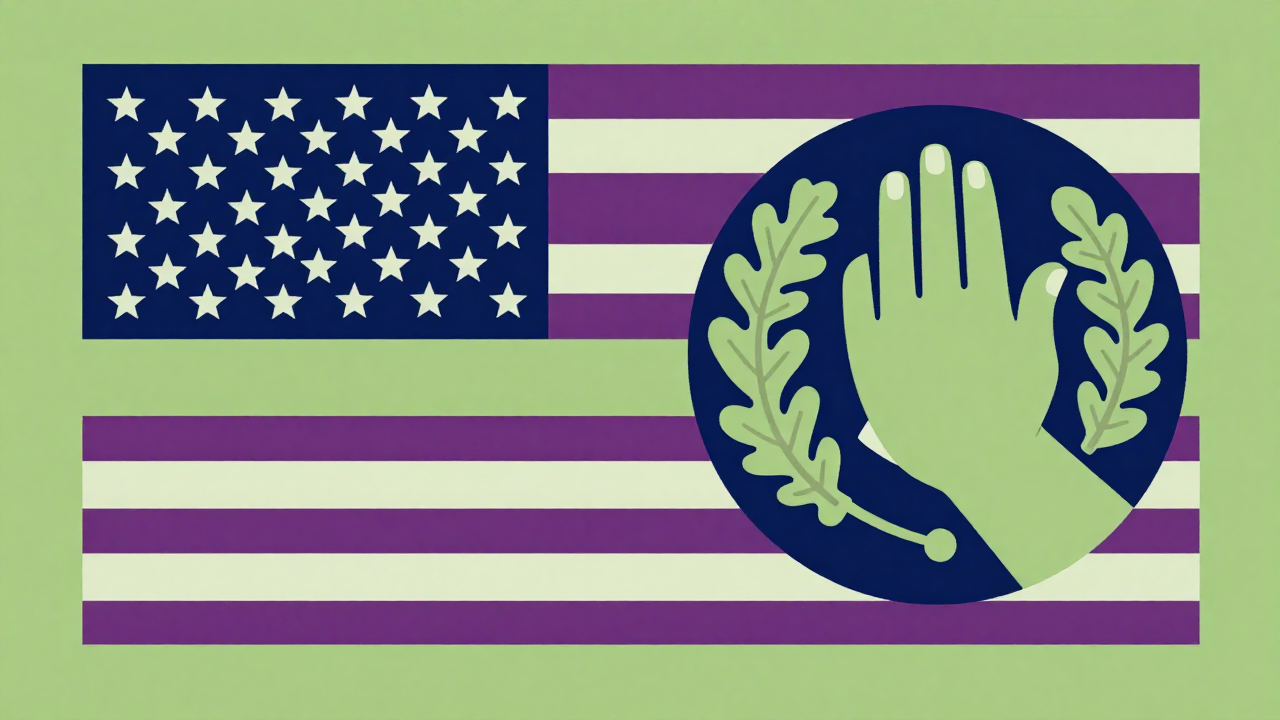
National Loyalty Day, observed on May 1, is a special occasion dedicated to celebrating the devotion and allegiance we hold toward our country and its values. This observance invites individuals across the nation to reflect on the importance of loyalty—not only to the United States but also to our families, friends, and communities. It serves as a reminder that loyalty can foster unity, strength, and resilience in our shared endeavors and experiences.
As we gather together on this day, we have the opportunity to promote a sense of belonging and commitment to the principles that guide us. National Loyalty Day encourages us to express our gratitude for those who have demonstrated unwavering loyalty, whether through service in the military, community engagement, or simply by being steadfast supporters in our lives. So, as May 1 approaches, let us take a moment to honor the bonds that tie us together and reaffirm our dedication to building a brighter future for all.
History
National Loyalty Day, observed annually on May 1, has its roots deeply intertwined with the political and social climate of the United States during the mid-20th century. The observance was officially established in 1955, primarily as a response to the growing tensions of the Cold War and a way to promote national unity and patriotism. The day was designated as an opportunity for Americans to reaffirm their loyalty to the country and its democratic ideals. The inception of National Loyalty Day was marked by a presidential proclamation, which called for citizens to celebrate their allegiance to the United States and to honor the principles of liberty and justice.
Over the years, National Loyalty Day has evolved, reflecting changes in societal values and the political landscape. While initially it served as a counter to perceived threats from communism, the observance gradually expanded to encompass broader themes of civic responsibility and community engagement. Various organizations, including veterans' groups and civic organizations, have embraced the day as an occasion to promote patriotism through events, ceremonies, and educational programs. These activities often highlight the sacrifices made by individuals in defense of freedom and the importance of active participation in democratic processes.
Culturally, National Loyalty Day holds significant meaning as it encourages individuals to reflect on their personal commitments to their country and to engage in acts that promote social cohesion. The observance is often marked by public ceremonies, parades, and community gatherings, where citizens are encouraged to express their pride in the nation. Schools and local governments may also host activities that foster discussions about citizenship, civic duty, and the historical context of loyalty, helping to instill these values in younger generations.
As National Loyalty Day continues to be observed on May 1, it remains a reminder of the ongoing importance of loyalty to one’s country amidst an ever-changing global landscape. While the themes of the day may adapt to contemporary issues, the core message of unity and patriotism endures, reinforcing the idea that loyalty is a vital component of a healthy democracy. In this way, National Loyalty Day serves not only as a commemorative occasion but also as a call to action for all citizens to actively participate in shaping the future of their nation.