National Israel Day
Israel
About
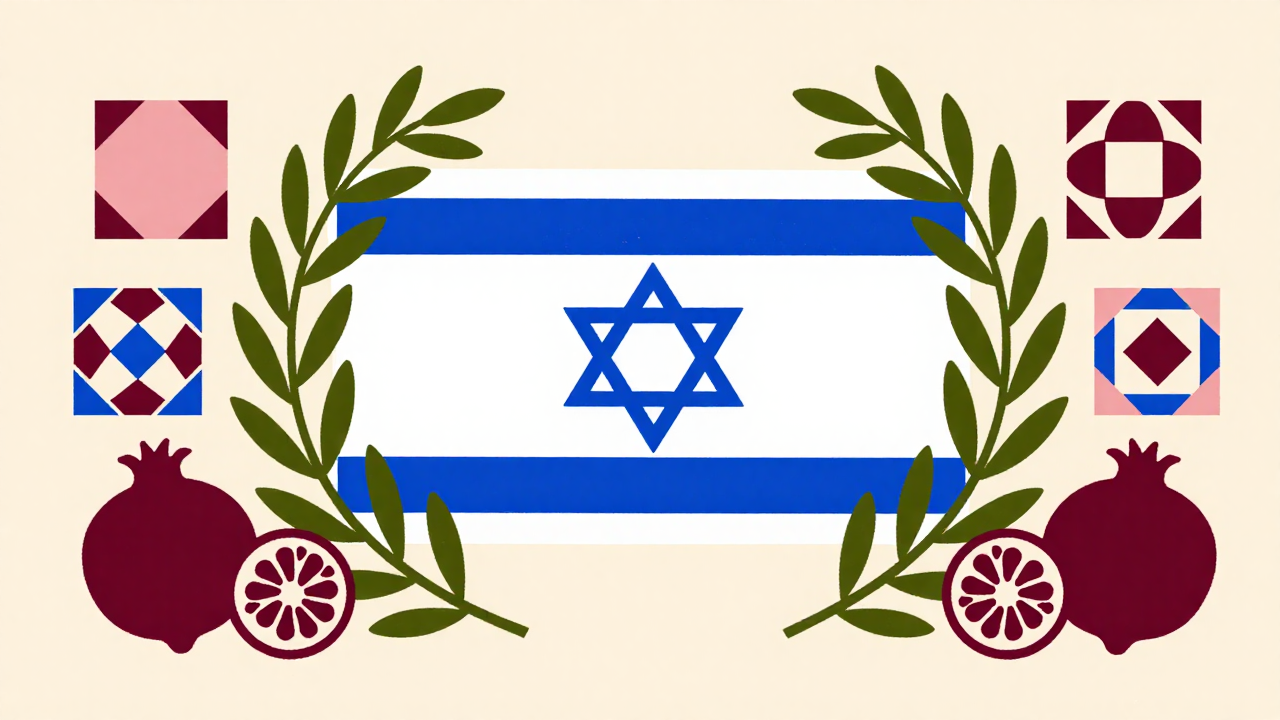
National Israel Day, observed on February 4, is a heartfelt celebration that recognizes the rich heritage, culture, and achievements of Israel and its people. This day serves as a reminder of the historical significance of Israel, highlighting its contributions to global innovation, art, and diversity. It is an opportunity for individuals and communities around the world to come together, share stories, and appreciate the vibrant culture and traditions that Israel embodies.
On National Israel Day, people engage in various activities that promote understanding and appreciation of Israeli history and its modern-day significance. From cultural festivals and educational programs to social gatherings, the day encourages conversations about Israel's journey, its challenges, and its triumphs. It’s a time to reflect on the values of resilience, creativity, and community that have shaped the nation. Whether through culinary experiences featuring traditional Israeli cuisine or participating in discussions about Israel's impact on the world stage, National Israel Day invites everyone to partake in the joy of learning and connection.
History
National Israel Day, observed on February 4, serves as a celebration of the rich cultural heritage and historical significance of Israel and its people. This observance not only highlights the contributions of Jewish culture to the world but also commemorates the establishment of the State of Israel in 1948. The origins of National Israel Day can be traced back to a growing recognition of the importance of Israel in global affairs, particularly in the aftermath of World War II and the Holocaust, which underscored the need for a safe haven for Jewish people. The day serves as a reminder of the resilience and enduring spirit of the Israeli people throughout history.
The observance has evolved significantly over the decades. Initially celebrated by Jewish communities around the world, it gradually gained traction in broader civic contexts, emphasizing themes of unity, peace, and cultural exchange. Events on National Israel Day often include educational activities, cultural exhibitions, and community service projects that aim to foster understanding and appreciation of Israeli culture. The observance has become an opportunity for people of diverse backgrounds to engage in dialogue about Israel's history, its innovations, and its role in the global community.
Culturally, National Israel Day has profound significance, as it encourages individuals and communities to reflect on the contributions of Israeli society in various fields, including technology, art, and science. It also provides a platform for discussions about the complexities of Israeli identity, including the diverse experiences of Jewish people and other communities living in Israel. As society becomes increasingly interconnected, National Israel Day invites participants to celebrate not only the achievements of Israel but also to engage in thoughtful conversations about coexistence and collaboration in a multifaceted world.
In summary, observed on February 4, National Israel Day is a meaningful observance that celebrates the history and contributions of Israel while promoting cultural understanding and dialogue. Its evolution from a community-specific celebration to a broader acknowledgment of Israel's impact illustrates the changing dynamics of global awareness and the importance of recognizing diverse cultures in our interconnected world.