NATIONAL HEMP MONTH
United States
About
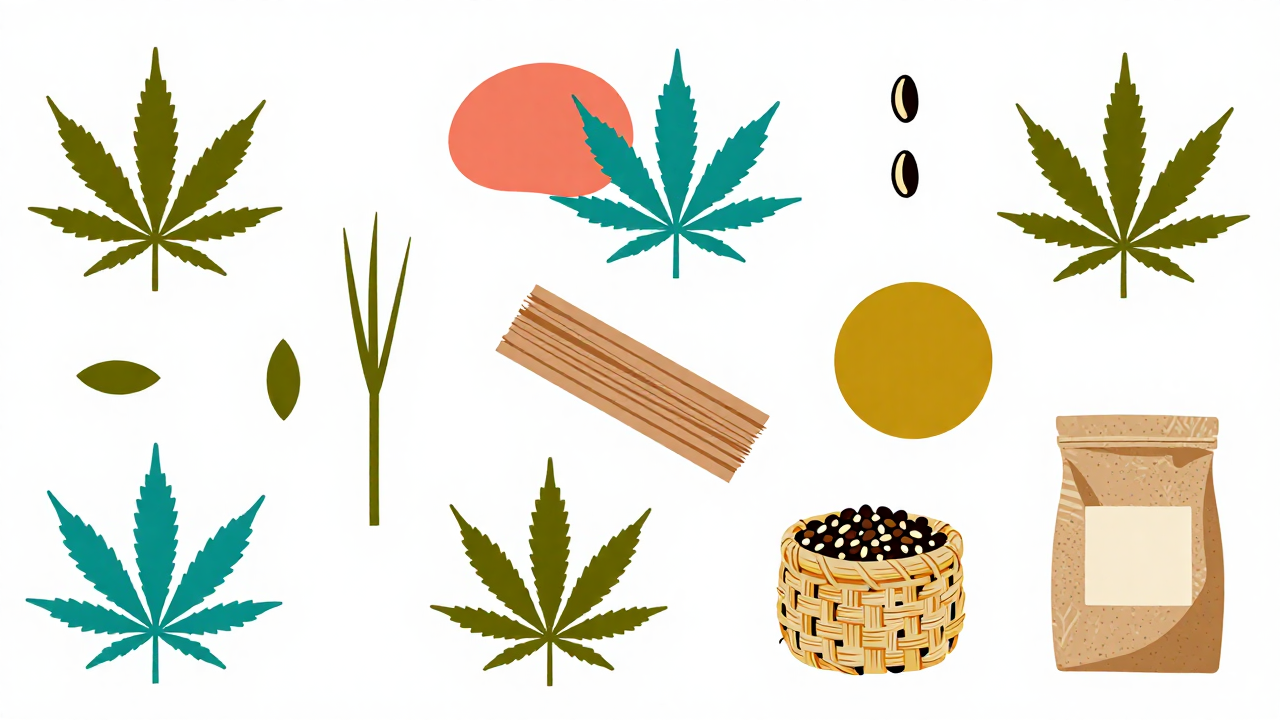
National Hemp Month, observed throughout July, celebrates the history, versatility, and growing significance of hemp. From textiles and paper to food, personal-care products, and sustainable materials, hemp has been used in many ways across cultures and continues to inspire innovation today.
Throughout the month, people can learn more about hemp’s agricultural roots, its role in American history, and the differences between hemp and other cannabis plants. It’s also an opportunity to explore hemp-based products, recognize farmers and businesses working with the crop, and consider how hemp may contribute to environmentally conscious choices and future industries.
History
National Hemp Month is observed throughout July as a time to recognize the historical, agricultural, industrial, and environmental importance of hemp. The observance reflects renewed public interest in *Cannabis sativa*, the plant from which hemp is cultivated for its low concentration of intoxicating compounds. Although the modern holiday is relatively recent, hemp itself has a long history: people in China and other parts of Asia used hemp fibers for cordage, textiles, fishing nets, paper, and other practical goods thousands of years ago. Its durable fiber helped make it an important material in many early agricultural and maritime societies.
Hemp also played a role in the development of colonial North America and the early United States. European settlers grew it for rope, sailcloth, clothing, and other necessities, and the crop was encouraged in some colonies because of its value to shipping and military supply. During the eighteenth and nineteenth centuries, hemp production expanded in parts of the United States, particularly in Kentucky and Missouri. Over time, however, changing agricultural practices, the rise of inexpensive alternatives such as cotton and wood pulp, and increasingly restrictive drug laws contributed to the decline of domestic hemp cultivation.
The observance gained greater relevance after the legal status of industrial hemp began to change. In the United States, the 2014 Farm Bill authorized limited hemp research and pilot programs, while the Agriculture Improvement Act of 2018 removed hemp—defined under federal law as cannabis containing no more than 0.3 percent delta-9 tetrahydrocannabinol by dry weight—from the federal list of controlled substances. These developments helped reestablish hemp as a commercial crop and encouraged renewed production of hemp fiber, seed, grain, hurd, and cannabidiol products, subject to applicable regulations. The precise founding history of National Hemp Month is not uniformly documented, but its modern observance is closely associated with efforts to educate the public and support the lawful hemp industry.
Throughout July, National Hemp Month also carries cultural significance by connecting contemporary sustainability discussions with older agricultural traditions. Supporters highlight hemp’s versatility, relatively rapid growth, usefulness in textiles and construction materials, and potential role in diversified farming. At the same time, the observance provides an opportunity to distinguish industrial hemp from marijuana, discuss the effects of past prohibition policies, and consider the challenges facing hemp producers, including regulation, processing infrastructure, markets, and environmental claims that require careful evidence.