

Just for fun Week
National Farriers Week
A week that starts on July 4 every year. Next: in 236 days
What it’s about
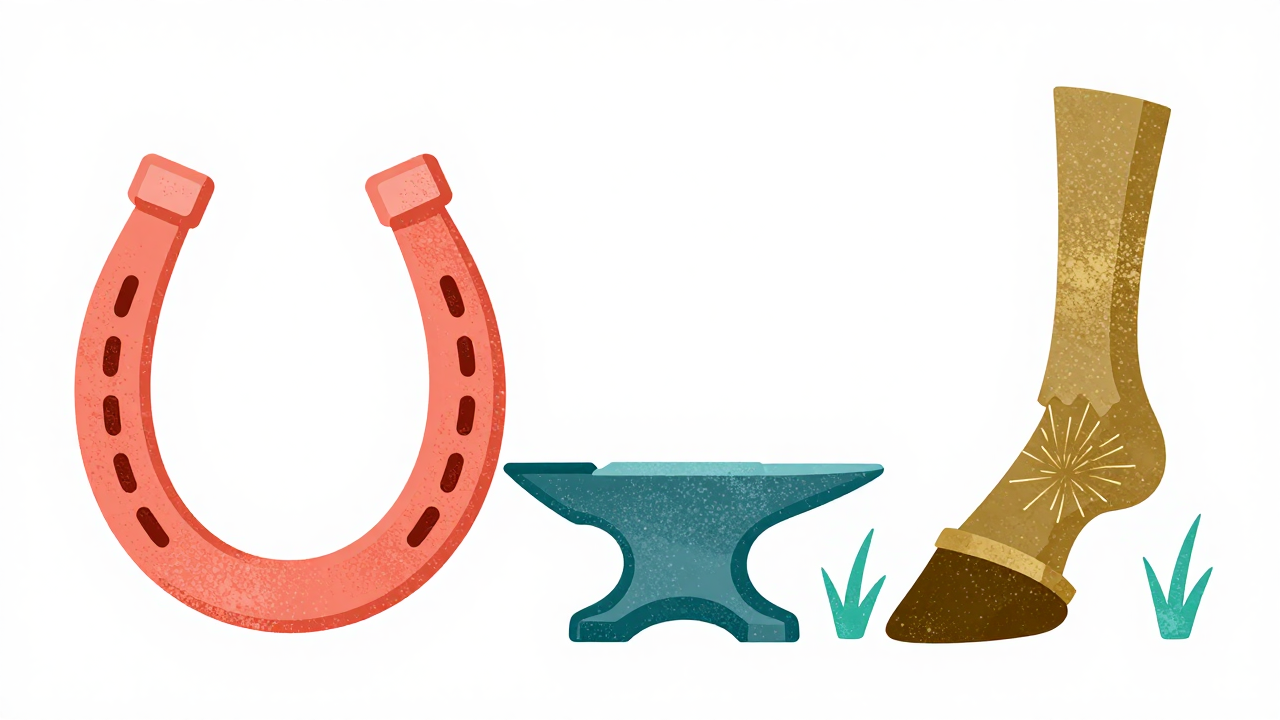
National Farriers Week, observed during a week in July, celebrates the skilled professionals who care for horses’ hooves and help support their comfort, balance, and overall well-being. Combining knowledge of equine health with specialized craftsmanship, farriers play an important role in keeping horses active, sound, and able to perform at their best.
This week is an opportunity to recognize the dedication, patience, and precision that farriers bring to their work. Horse owners, riders, stables, and equestrian communities can take part by thanking a farrier, learning more about hoof care, and appreciating the essential partnership between farriers, veterinarians, and horse caretakers.
A little history
National Farriers Week is a week-long observance in July that recognizes the work of farriers—the skilled professionals who trim and shoe horses’ hooves and help maintain their soundness. Its purpose is both educational and appreciative: it highlights a trade that is often essential to horses’ health and performance but may receive little public attention. The observance is associated with efforts to increase awareness of farriery and to acknowledge the expertise, physical labor, and continuing education required in the profession.
The history behind National Farriers Week is rooted in the much older history of horseshoeing. As horses became important for transportation, agriculture, warfare, and industry, people developed methods of protecting hooves from excessive wear, particularly when horses worked on hard or rough ground. Early forms of hoof protection existed in the ancient world, while nailed horseshoes became increasingly established in Europe during the medieval period. Over time, farriery developed from a largely practical craft into a specialized occupation combining metalworking, knowledge of horse anatomy, and close observation of movement and hoof condition.
The modern profession has continued to change alongside advances in veterinary medicine, animal welfare, and equine science. Farriers now work with veterinarians, trainers, owners, and rehabilitation specialists to address problems such as imbalance, lameness, injury, and the effects of demanding athletic work. Although traditional hot- and cold-shoeing methods remain important, contemporary farriery may also involve therapeutic shoes, specialized materials, glue-on applications, and carefully designed trimming plans. This evolution reflects a broader shift from simply protecting the hoof to supporting the horse’s overall comfort, mobility, and long-term well-being.
Culturally, National Farriers Week calls attention to the relationship between skilled human work and animal care. It honors a profession that has accompanied major changes in society, from the era when horses were central to daily transportation and farming to the present, when they are valued in sport, recreation, therapy, and breeding. During the July observance, horse owners and equestrian organizations may express appreciation to farriers, share information about hoof care, and encourage recognition of the knowledge and responsibility involved in keeping horses healthy.
Timeline
- 1356
The earliest known records of the Farriers' Company in London date to 1356, documenting an organized body connected with the farriery trade.
- 1674
The Worshipful Company of Farriers received its Royal Charter, formalizing the London livery company associated with the farriery profession.
- 1971
The American Farriers Association was founded to advance professional standards, education, and certification in farriery.
- 1975
The United Kingdom's Farriers (Registration) Act 1975 established statutory registration and regulation for people practicing farriery.
Other weeks starting July 4
-
 Be Nice to Jersey Week
Awareness
-
 Be Nice to New Jersey Week
Awareness
-
 First Day of NAIDOC Week
Cultural
More like this
 Just for fun
Adopt a Rescued Bird Month
January is a time for new beginnings, and what better way to embrace the spirit of renewal than by celebrating Adopt a Rescued Bird Month? This special observance shines a…
 Just for fun
Apple and Apricot Month
Apple and Apricot Month, celebrated on January 1, is a delightful homage to two of nature's most beloved fruits. As the New Year dawns, this month invites us to embrace the…
 Awareness
Apple Gifting Day
Apple Gifting Day, celebrated on January 1st, invites individuals and families to begin the new year with a sweet and wholesome tradition that symbolizes health, friendship, and…