

Cultural Week
First Day of NAIDOC Week
A week that starts on July 4 every year. Next: in 236 days
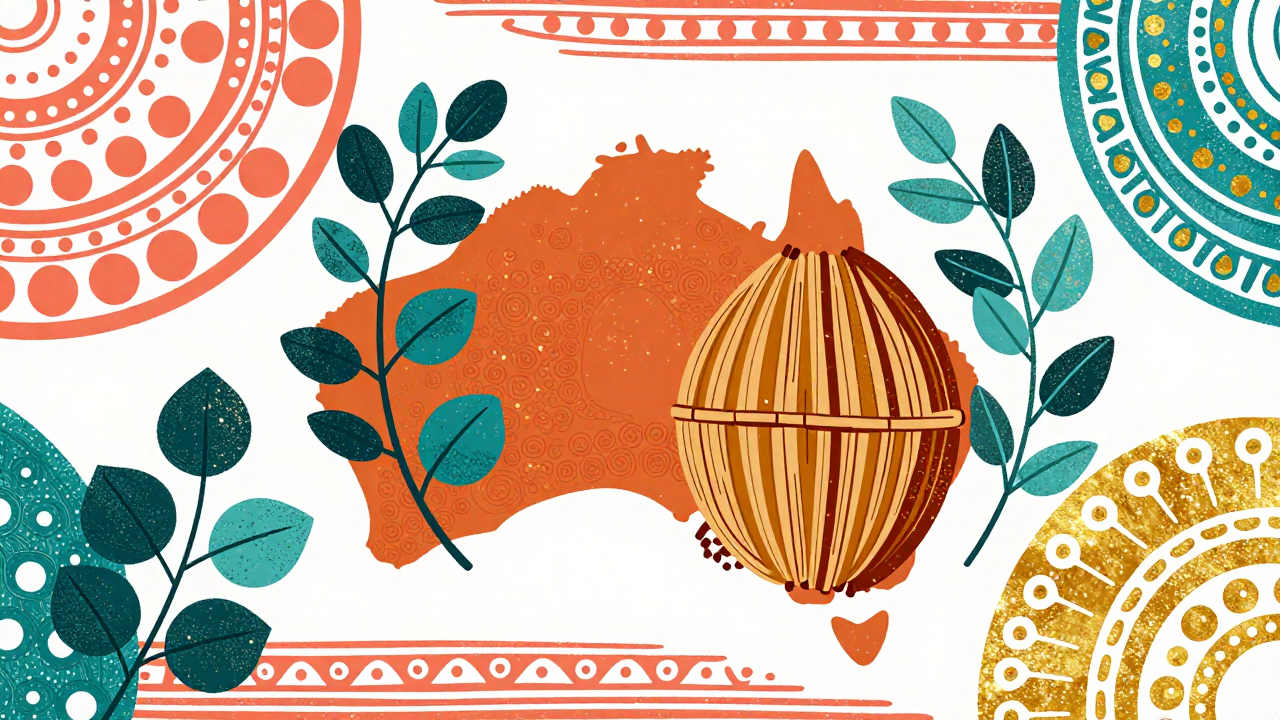
What it’s about
First Day of NAIDOC Week marks the beginning of a week-long celebration of the history, culture, and achievements of Aboriginal and Torres Strait Islander peoples. Observed during a week in July, it opens a nationwide period of reflection, learning, and connection, encouraging people from all backgrounds to recognize the enduring contributions and rich cultural traditions of First Nations communities.
Across NAIDOC Week, communities come together through ceremonies, performances, exhibitions, storytelling, educational activities, and other events. The opening of the week invites everyone to listen, show respect, celebrate Indigenous voices, and deepen their understanding of Australia’s oldest continuing cultures.
A little history
The First Day of NAIDOC Week opens NAIDOC Week, an annual week-long observance in July celebrating Aboriginal and Torres Strait Islander histories, cultures, achievements, and continuing contributions to Australia. Its origins lie in Aboriginal-led political activism rather than in a purely celebratory festival. On 26 January 1938, Aboriginal activists and supporters held a Day of Mourning in Sydney to protest the treatment of Aboriginal people and the exclusion of Indigenous perspectives from national celebrations. The event helped establish a continuing movement for rights, recognition, and self-determination.
The observance developed from this activism into a broader annual commemoration. In the early 1940s, a national day focused on Aboriginal people began to be held in July, creating an opportunity to promote public awareness and advocate for improved social and legal conditions. During the 1950s, responsibility for organizing the event was associated with the National Aborigines Day Observance Committee, from which the acronym NAIDOC derives. Over time, the emphasis expanded beyond protest and political campaigning to include the celebration of Indigenous cultures and achievements.
During the late twentieth century, the event increasingly recognized the distinct histories and ongoing contributions of Torres Strait Islander peoples as well as Aboriginal peoples. This broader focus was reflected in the adoption of the name NAIDOC—National Aboriginal and Islanders Day Observance Committee—and in the transformation of the observance into NAIDOC Week. What began as a single annual day consequently became a week-long national program involving schools, workplaces, cultural institutions, governments, and Indigenous communities.
The first day of NAIDOC Week is significant because it marks the opening of this period of reflection, education, and celebration. Activities may include official openings, cultural performances, exhibitions, storytelling, discussions, flag-raising ceremonies, and recognition of Indigenous leaders and community members. Although the week is celebratory, it also draws attention to the continuing importance of truth-telling, respect for Country, cultural survival, and Aboriginal and Torres Strait Islander rights. Its history connects present-day celebrations with the determined activism of earlier generations.
Timeline
- 1938
On 26 January, Aboriginal activists organized the Day of Mourning in Sydney, protesting 150 years of dispossession and calling for citizenship rights and improved conditions for Aboriginal people. The protest is a key precursor to the advocacy commemorated through NAIDOC Week.
- 1967
Australians voted overwhelmingly in the 27 May referendum to amend the Constitution so the federal Parliament could make laws for Aboriginal people and Aboriginal people would be included in population counts.
- 1992
The High Court of Australia decided Mabo v Queensland (No 2), rejecting the doctrine of terra nullius and recognizing that native title could exist under Australian law.
- 2008
On 13 February, Prime Minister Kevin Rudd delivered the National Apology to the Stolen Generations in the Australian Parliament, acknowledging the harm caused by past forced removals of Aboriginal and Torres Strait Islander children.
Other weeks starting July 4
-
 Be Nice to Jersey Week
Awareness
-
 Be Nice to New Jersey Week
Awareness
-
 National Farriers Week
Just for fun
More like this
 Just for fun
Adopt a Rescued Bird Month
January is a time for new beginnings, and what better way to embrace the spirit of renewal than by celebrating Adopt a Rescued Bird Month? This special observance shines a…
 Just for fun
Apple and Apricot Month
Apple and Apricot Month, celebrated on January 1, is a delightful homage to two of nature's most beloved fruits. As the New Year dawns, this month invites us to embrace the…
 Awareness
Apple Gifting Day
Apple Gifting Day, celebrated on January 1st, invites individuals and families to begin the new year with a sweet and wholesome tradition that symbolizes health, friendship, and…