National Day of Sri Lanka
Sri Lanka
About
National Day of Sri Lanka, celebrated annually on February 4, is a significant occasion that marks the country’s independence from British rule in 1948. This day is a heartfelt tribute to the spirit of freedom and the resilience of the Sri Lankan people. It is a time when citizens reflect on their rich cultural heritage, diverse traditions, and the journey toward building a united nation. Festivities typically include parades, cultural performances, and various events that showcase the country’s vibrant history and unity.
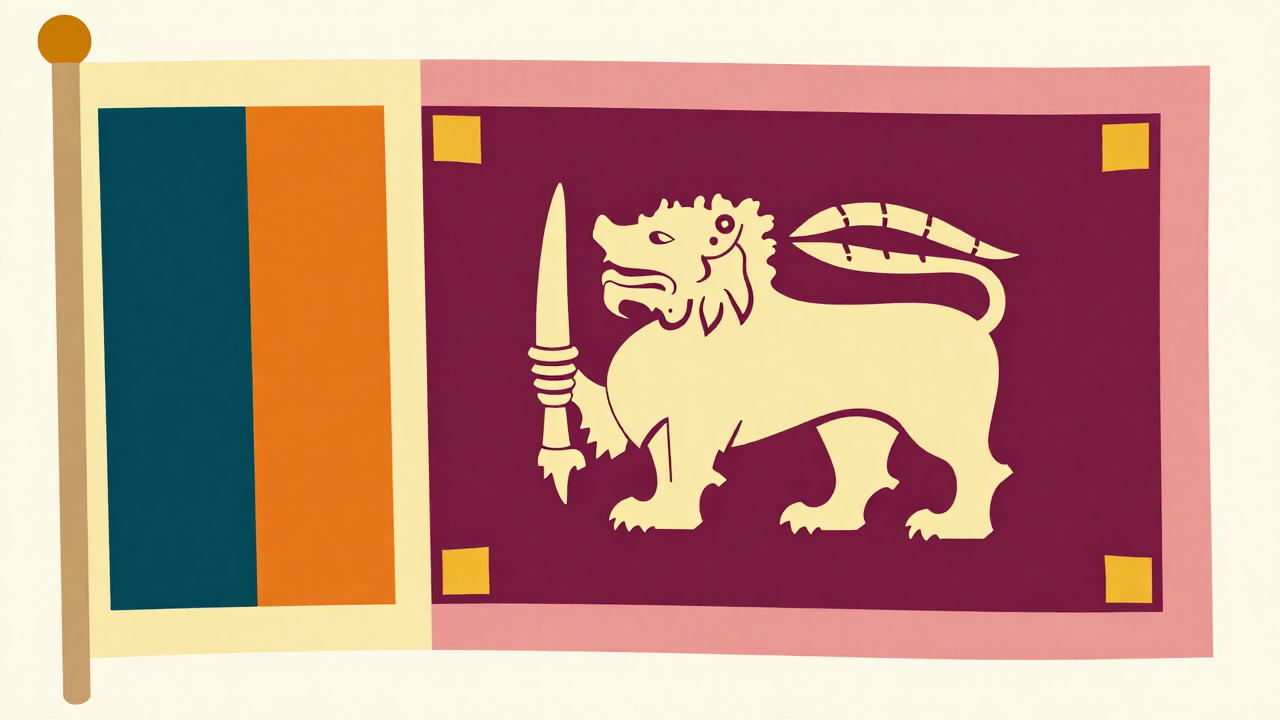
As the sun rises on February 4, towns and cities across Sri Lanka come alive with celebrations. Flags are proudly displayed, and communities come together to honor the sacrifices made by those who fought for independence. The day serves as a reminder of the importance of national pride and the collective efforts required to safeguard the values of freedom and democracy. Whether through public ceremonies or intimate family gatherings, National Day of Sri Lanka is a beautiful expression of love for the nation and its people.
History
The National Day of Sri Lanka, celebrated annually on February 4, marks the anniversary of the country’s independence from British rule in 1948. The origins of this observance are rooted in Sri Lanka's long struggle for autonomy, which began in the early 20th century as nationalist movements gained momentum. The push for independence was sparked by a desire to reclaim sovereignty and cultural identity after centuries of colonial domination. The date became significant as it represents the culmination of these efforts, symbolizing the triumph of a unified Sri Lankan populace working towards self-governance.
Over time, the National Day has evolved into a celebration of national pride and unity. Initially marked by formal ceremonies and speeches, the observance has grown to include a variety of festivities that reflect the rich cultural heritage of Sri Lanka. Parades, flag-hoisting ceremonies, and cultural performances are now integral to the celebrations, showcasing traditional music, dance, and the diverse ethnic backgrounds that comprise the nation. The day serves not only as a historical commemoration but also as an opportunity for citizens to reflect on their nation's progress and challenges since achieving independence.
Culturally, the National Day of Sri Lanka holds significance beyond its historical context. It is a day that fosters national identity and reinforces a sense of belonging among Sri Lankans. The observance encourages unity among various ethnic groups, including Sinhalese, Tamils, and Moors, promoting a spirit of reconciliation and cooperation. Schools and communities often engage in activities that educate the younger generation about the importance of independence and the values of freedom, democracy, and respect for diversity.
As Sri Lanka continues to navigate its post-independence journey, the National Day remains a vital occasion for reflection and celebration. It serves as a reminder of the sacrifices made by past generations and the ongoing commitment to building a prosperous and inclusive society. Each year, as February 4 approaches, Sri Lankans come together to honor their shared history and envision a future rooted in peace and progress.