Memorial Day in South Korea
South Korea
About
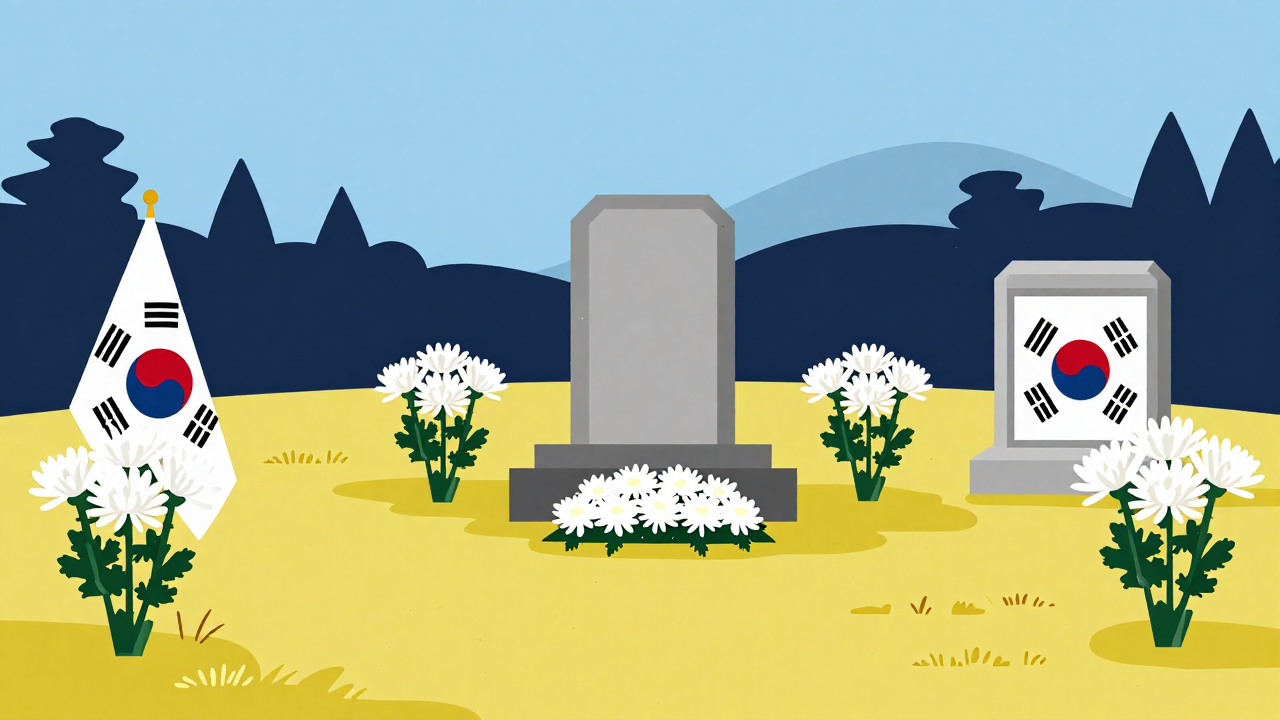
Memorial Day in South Korea, observed on June 6, is a heartfelt occasion dedicated to honoring the sacrifices made by those who fought for the country’s freedom and security. This day serves as a poignant reminder of the bravery and resilience of South Korean soldiers who lost their lives during the Korean War and in other conflicts. Communities come together to pay their respects, with ceremonies held at national cemeteries, including the revered Seoul National Cemetery. Here, families, veterans, and officials gather to lay flowers, offer prayers, and remember the heroes who have shaped the nation’s history.
As you stroll through the serene grounds on June 6, you may notice the flags flying at half-mast, a symbol of mourning and remembrance. The day is marked by various activities that foster a sense of unity and gratitude among citizens. Many people participate in memorial services, share stories of fallen heroes, and engage in educational programs that deepen understanding of South Korea’s past. Memorial Day is not only a time for reflection but also an opportunity to cultivate a spirit of peace and hope for the future, making it a cherished observance in the hearts of many South Koreans.
History
Memorial Day in South Korea, observed annually on June 6, is a significant day of remembrance dedicated to honoring the sacrifices of those who lost their lives in military service to the nation. The observance traces its origins back to the aftermath of the Korean War, which lasted from 1950 to 1953. The devastation and loss of life experienced during the war prompted a collective need for remembrance and gratitude towards those who fought valiantly for their country’s freedom. In 1956, the South Korean government officially designated June 6 as Memorial Day, marking it as a day to honor fallen soldiers and veterans.
Over the years, Memorial Day has evolved into a solemn occasion that encapsulates the broader context of South Korea's tumultuous history, including the Korean War and subsequent conflicts. Initially focused on military personnel, the observance has expanded to honor all civilians and military members who have died in service to the nation. The day is marked by a range of activities, including ceremonies at various memorial sites, such as the Seoul National Cemetery, where many of the nation’s heroes are interred. These ceremonies often include moments of silence, the laying of wreaths, and the hoisting of the national flag at half-mast.
Culturally, Memorial Day serves as a poignant reminder of the sacrifices made for South Korea's current peace and democratic governance. It fosters a sense of national unity and pride, as citizens reflect on the struggles endured by previous generations. Educational programs and media coverage surrounding this day emphasize the importance of remembrance, ensuring that the legacies of those who served are not forgotten. The observance encourages younger generations to appreciate their freedoms and the historical context of their nation, reinforcing the values of patriotism and respect for those who made the ultimate sacrifice.
As a day of reflection, Memorial Day in South Korea also serves as an opportunity for personal and communal healing. Many families use this day to visit the graves of their loved ones, allowing for a moment of personal remembrance amidst the national observance. The collective nature of the day strengthens communal bonds and instills a spirit of gratitude among the citizens, who gather to honor their heroes. In this way, June 6 stands as a vital date in the South Korean calendar, symbolizing resilience, remembrance, and the ongoing quest for peace.