Islamic New Year
Saudi Arabia, Indonesia, Pakistan, Turkey, Egypt, Malaysia, United Arab Emirates, Bangladesh, Morocco, Algeria
About
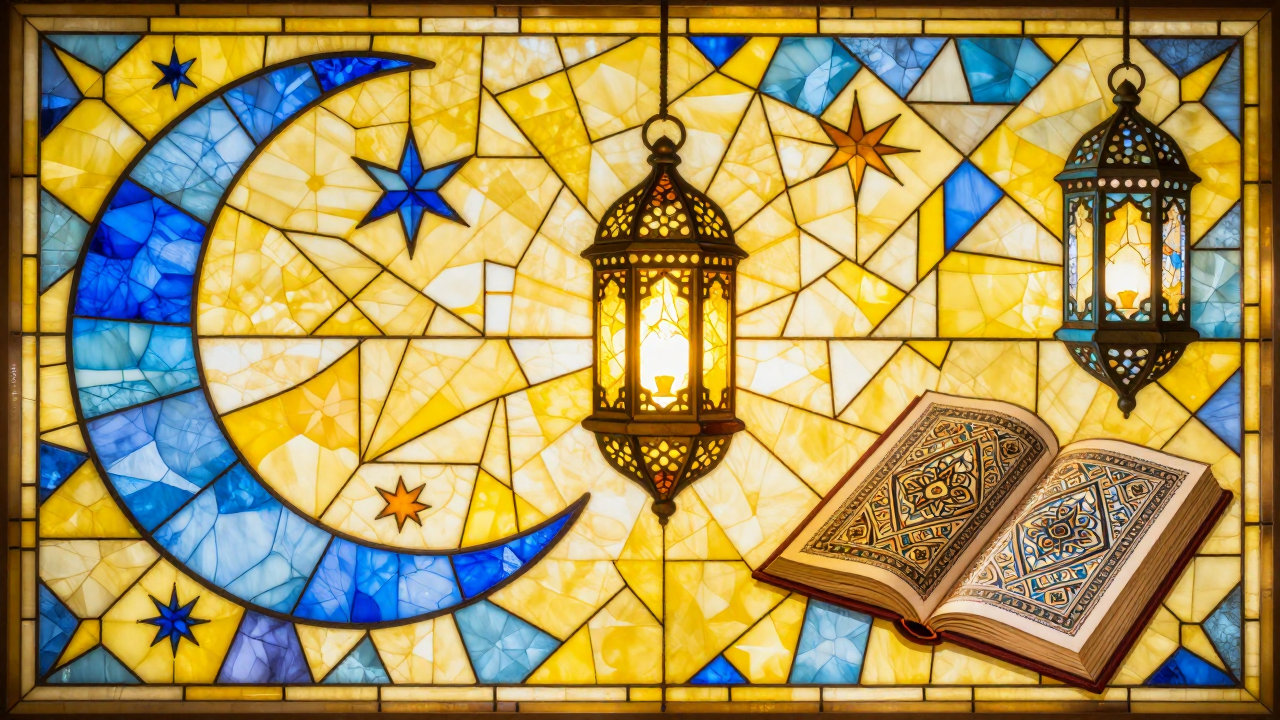
Islamic New Year, observed on June 6, marks the beginning of the Islamic lunar calendar and holds significant cultural and religious importance for millions of Muslims around the world. This day is often a time for reflection, renewal, and gratitude as individuals and communities come together to celebrate the values and teachings of Islam. The observance invites people to pause and ponder the past year’s achievements and challenges, while looking forward to new opportunities and blessings in the year ahead.
As families gather, they often share festive meals, recite prayers, and engage in acts of charity, embodying the spirit of community and generosity that is central to Islamic teachings. The Islamic New Year serves as a reminder of the rich history of the Islamic faith and encourages individuals to strengthen their bonds with loved ones and their spiritual practices. This special day is not only a time for celebration but also a moment to foster a sense of unity and purpose as Muslims around the globe embark on a new chapter in their spiritual journey.
History
The Islamic New Year, also known as Hijri New Year, marks the beginning of the Islamic lunar calendar and is observed on June 6. This observance commemorates the migration (Hijra) of the Prophet Muhammad from Mecca to Medina in 622 CE, an event that is foundational to Islamic history. The Islamic calendar is composed of twelve months, and each month lasts either 29 or 30 days based on the lunar cycle, making the Islamic New Year a movable feast that does not align with the Gregorian calendar. This calendar is significant as it reflects the religious and cultural life of Muslims around the world, emphasizing the importance of time and the cycles of the moon in Islamic tradition.
Historically, the Islamic calendar was officially established by the Caliph Umar ibn al-Khattab in 638 CE, approximately sixteen years after the Hijra. The choice of the Hijra as the starting point was pivotal, as it not only marked a significant physical journey but also represented the transition of the Muslim community from a period of persecution to one of establishment and growth. Over time, the Islamic New Year has evolved in various cultural contexts. While some communities celebrate it with solemnity and reflection, others engage in festivities that include communal prayers, feasting, and social gatherings.
Culturally, the Islamic New Year serves as a time for Muslims to reflect on the past year and set intentions for the future. It is an opportunity for spiritual renewal and a reminder of the importance of community and faith. Different cultures may incorporate unique traditions and rituals to honor this day, such as reciting prayers, sharing meals with family and friends, and engaging in acts of charity. The observance can vary widely depending on regional customs and the level of religious devotion within communities.
As the Islamic New Year is observed on June 6, it stands as a reminder of the significance of the Hijra and its implications for Muslim identity and history. The observance not only marks the passage of time but also reinforces the values of resilience, community, and faith that are central to the Muslim experience. Through the years, the Islamic New Year has maintained its relevance, adapting to contemporary contexts while remaining rooted in its rich historical legacy.