Amun Jadid
Morocco, Algeria, Tunisia, Libya
About
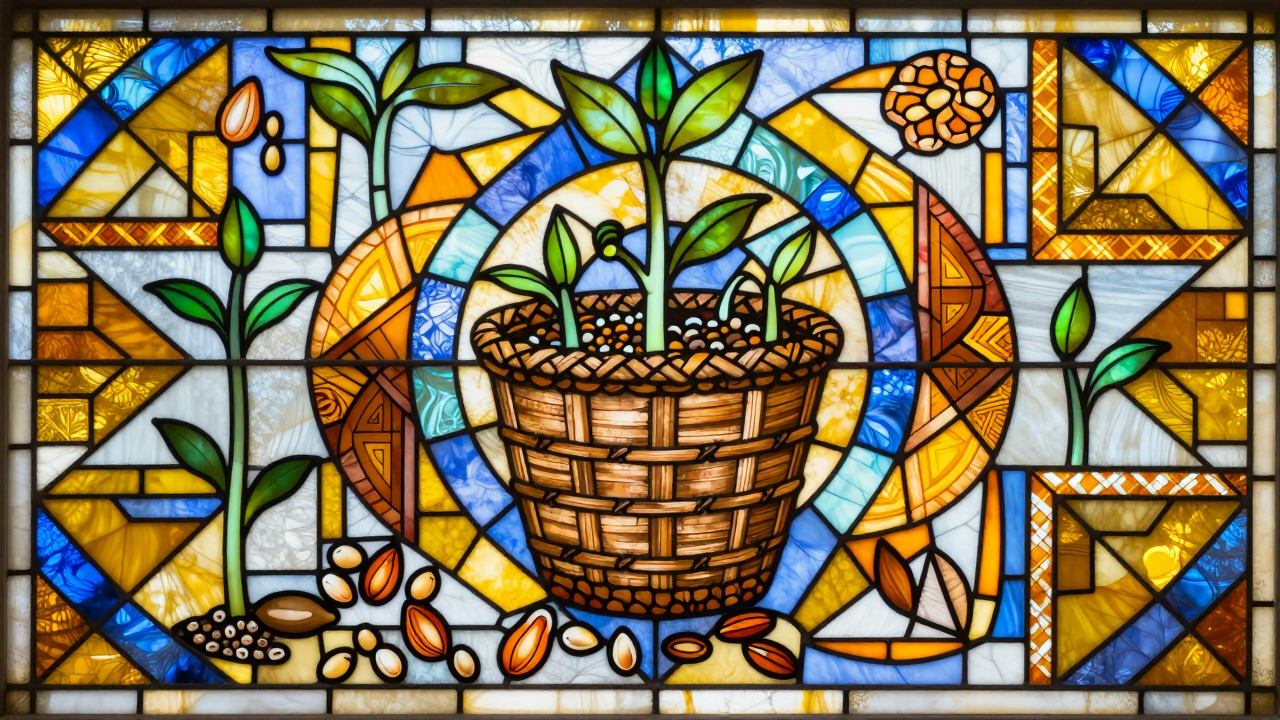
Amun Jadid, celebrated on June 6, is a vibrant observance that brings together communities to honor the spirit of renewal and the blessings of life. This special day is deeply rooted in traditions that reflect gratitude for the abundant gifts of nature and the importance of family and community ties. As the name suggests, Amun Jadid symbolizes a fresh start, inviting individuals to reflect on personal growth and the opportunities that lie ahead.
On this day, people come together to partake in various festivities that may include communal meals, storytelling, and sharing memories. The atmosphere is filled with joy and warmth as families and friends reconnect, embracing the essence of togetherness that Amun Jadid promotes. Whether through traditional dances, music, or simply enjoying a meal in each other's company, the celebration is a reminder of the beauty of life and the importance of cherishing every moment. Join in the spirit of Amun Jadid on June 6, and take part in a celebration that uplifts the heart and fosters a sense of belonging.
History
Amun Jadid, observed on June 6, has its roots in the rich tapestry of Egyptian history and culture. The name "Amun Jadid" translates to "New Amun," which signifies a reverence for the ancient Egyptian god Amun, who was associated with creation and the sun. This observance likely emerged during the New Kingdom period (circa 1550-1070 BCE) when Amun became one of the most important deities in the Egyptian pantheon, often celebrated in the context of renewal and rebirth. The day serves as a reflection of the historical significance of Amun, symbolizing not only the divine but also the cyclical nature of life, which is mirrored in the agricultural calendar and seasonal changes in ancient Egypt.
Over time, Amun Jadid evolved from purely religious observance to a broader cultural celebration that encompasses various aspects of Egyptian life. The transformation can be traced through the interpretations of Amun's attributes and the integration of local customs and practices. As Egypt underwent various political and cultural shifts, the observance of Amun Jadid adapted to embrace a more universal theme of renewal, making it appealing to a wider audience. It began to incorporate elements of community bonding, artistic expression, and the celebration of nature, reflecting the interconnectedness of spirituality and daily life.
The cultural significance of Amun Jadid is profound, as it highlights the enduring legacy of ancient beliefs in contemporary Egyptian society. Observed on June 6, this day is marked by various festivities, including rituals, feasts, and artistic performances, which aim to honor the spirit of Amun and celebrate the values of unity and rejuvenation. Local communities often participate in gatherings that emphasize the importance of connection to the past while looking forward to future growth. The observance also serves to educate younger generations about their heritage, instilling a sense of pride and continuity.
In conclusion, Amun Jadid stands as a testament to the resilience of Egyptian culture and spirituality. Its origins and historical evolution reflect the dynamic interplay between ancient traditions and modern practices. Celebrated on June 6, Amun Jadid not only honors the deity of Amun but also embodies the universal themes of renewal, community, and cultural identity that continue to resonate in today's society.