Maha Shivaratri
India, Nepal, Mauritius, Fiji, Trinidad and Tobago, Guyana, Sri Lanka, Bangladesh
About
Maha Shivaratri, observed on March 6, is a significant and vibrant festival celebrated by millions of devotees around the world. This auspicious occasion is dedicated to Lord Shiva, one of the principal deities in Hinduism, who embodies the duality of creation and destruction. The name "Maha Shivaratri" translates to "the great night of Shiva," and it is believed to mark the night when Lord Shiva performed the cosmic dance of creation, preservation, and destruction. Devotees gather in temples or at home, engaging in prayers, chanting mantras, and performing rituals throughout the night, creating an atmosphere filled with devotion and spirituality.
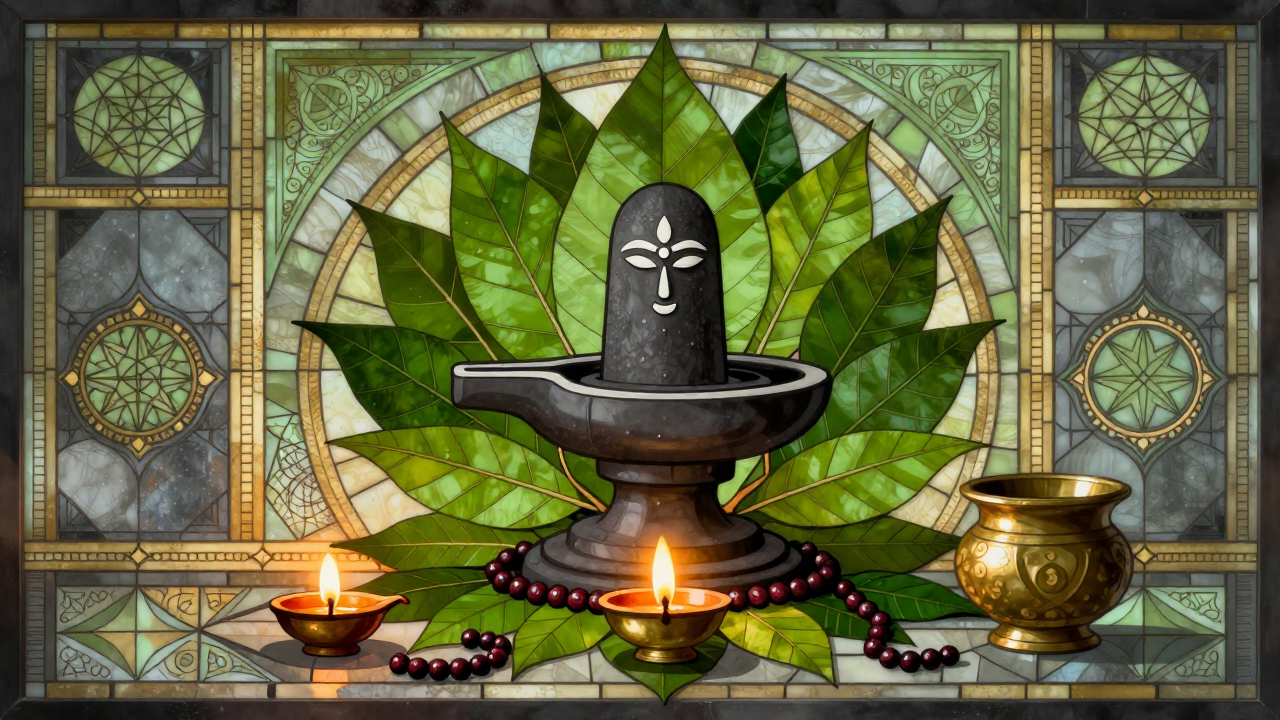
Celebrations during Maha Shivaratri are rich with tradition and symbolism. Many observe fasting and participate in night-long vigils, seeking blessings for strength and wisdom. The festival serves not only as a time for worship but also as a moment for reflection and self-discipline. As families and communities come together, the spirit of unity and devotion shines bright, with the rhythmic sounds of bells and chants echoing in the air. Whether through offering milk and water to Shiva Lingams or sharing stories of Lord Shiva’s exploits, Maha Shivaratri fosters a sense of belonging and reverence, making it a truly special day for all who partake in its observances.
History
Maha Shivaratri, celebrated on March 6, is a significant Hindu festival dedicated to Lord Shiva, one of the principal deities in Hinduism. The term "Maha Shivaratri" translates to "the Great Night of Shiva," and it marks a night of introspection, devotion, and spiritual awakening. The origins of this observance can be traced back to ancient texts and traditions, where it is believed to commemorate the convergence of Shiva and Shakti, symbolizing the balance of male and female energies. The festival is also associated with legends that highlight Lord Shiva's role as the destroyer of evil and ignorance, making it a pivotal time for devotees to seek blessings and forgiveness.
Over time, Maha Shivaratri has evolved into a multifaceted celebration, encompassing various customs and rituals across different regions of India and among the global Hindu diaspora. In its early iterations, the festival was primarily a time for meditation and reflection, with devotees engaging in night-long vigils and chanting of hymns. As the observance gained popularity, it incorporated various cultural elements, such as fasting, offering of fruits and flowers, and elaborate prayers. The rituals vary widely, with some regions emphasizing the worship of the Shiva Linga, while others focus on storytelling and singing praises of Lord Shiva through traditional music and dance.
Culturally, Maha Shivaratri holds immense significance in Hindu society. It serves as an opportunity for spiritual renewal, where individuals seek to deepen their connection with the divine. The festival is not only a time for personal reflection but also fosters a sense of community among participants. Temples across the country are adorned with lights and flowers, and devotees gather to perform collective rituals, emphasizing unity and shared beliefs. Additionally, Maha Shivaratri has inspired artistic expressions in various forms, including poetry, dance, and visual arts, reflecting the enduring influence of Shiva in cultural narratives.
In contemporary times, Maha Shivaratri continues to be celebrated with fervor and devotion, drawing millions of participants who engage in a range of activities from meditation to social service. The observance on March 6 serves as a reminder of the timeless values of humility, compassion, and the quest for knowledge. As devotees come together to honor Lord Shiva, they not only celebrate a rich spiritual heritage but also reinforce their commitment to personal growth and collective harmony.