Ghana Independence Day
Ghana
About
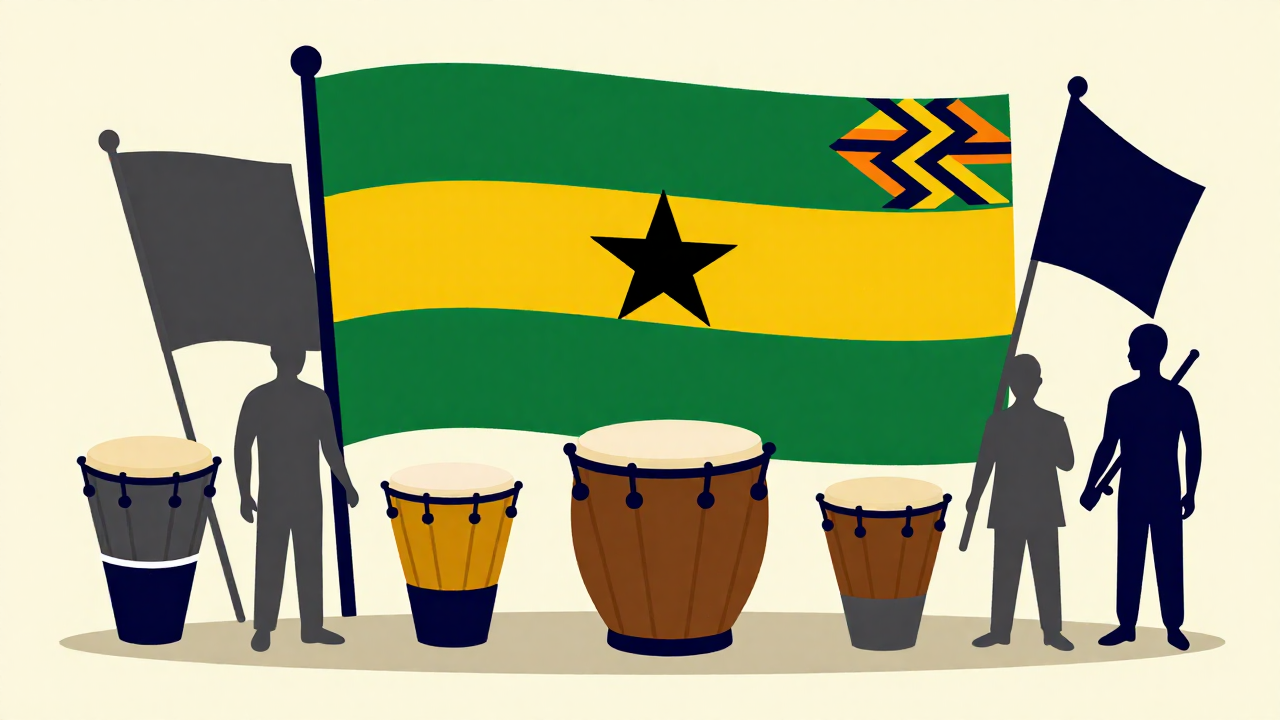
Ghana Independence Day, celebrated on March 6, is a vibrant and significant occasion that marks the nation's liberation from colonial rule in 1957. This day is a heartfelt celebration of Ghana's journey to self-determination and sovereignty, and it serves as a reminder of the resilience and spirit of the Ghanaian people. Festivities typically include parades, cultural performances, and communal gatherings, where citizens come together to honor their heritage and reflect on the values of freedom and unity that their independence represents.
On this special day, Ghanaians take pride in their rich history and cultural diversity, showcasing traditional music, dance, and art that highlight the country's unique identity. Schools and institutions often engage in educational activities to teach the younger generation about their nation's past and the sacrifices made for independence. As families and friends gather to celebrate, the atmosphere is filled with joy, hope, and a shared commitment to building a brighter future for all Ghanaians. Mark your calendars for March 6 and join in the spirit of this remarkable celebration!
History
Ghana Independence Day is celebrated annually on March 6, marking the day in 1957 when Ghana became the first sub-Saharan African country to gain independence from colonial rule. The origins of this significant observance can be traced back to a growing movement against British colonialism in the early 20th century. Influential leaders such as Kwame Nkrumah, who later became the first Prime Minister and President of Ghana, played pivotal roles in advocating for self-governance. The struggle for independence was characterized by mass mobilization, with increasing political activism among Ghanaians advocating for their rights and autonomy.
As the movement gained momentum, the Gold Coast, as Ghana was known during British rule, experienced a series of protests and political activities in the 1940s and 1950s. The formation of the Convention People's Party (CPP) in 1949 marked a significant turning point, as it united various factions under a common goal of independence. The pressure from political leaders and the populace culminated in negotiations with the British government, leading to the eventual declaration of independence on March 6, 1957. This momentous occasion was celebrated with grand ceremonies, including a speech by Nkrumah, who proclaimed, "At long last, the battle has ended! And thus, Ghana, your beloved country, is free forever!"
Over the years, Ghana Independence Day has evolved into a national celebration of sovereignty, unity, and pride. Initially marked by formal ceremonies and speeches, the observance has grown to include parades, cultural displays, and festivities that showcase Ghanaian heritage. Schools and communities engage in various activities, such as poetry readings, music performances, and traditional dances, reflecting the rich cultural tapestry of the nation. March 6 serves as a reminder of the sacrifices made by earlier generations and fosters a sense of national identity among Ghanaians.
Culturally, Ghana Independence Day holds profound significance as it symbolizes not only the end of colonial rule but also the beginning of self-determination and governance. The day highlights the importance of unity in diversity, encouraging Ghanaians to celebrate their shared history while acknowledging the various ethnic groups that contribute to the nation's identity. As Ghana continues to navigate contemporary challenges, the observance of March 6 stands as a beacon of hope and resilience for its people, reinforcing the ideals of freedom, justice, and democracy that underpin the nation.