Iditarod Race
United States
About
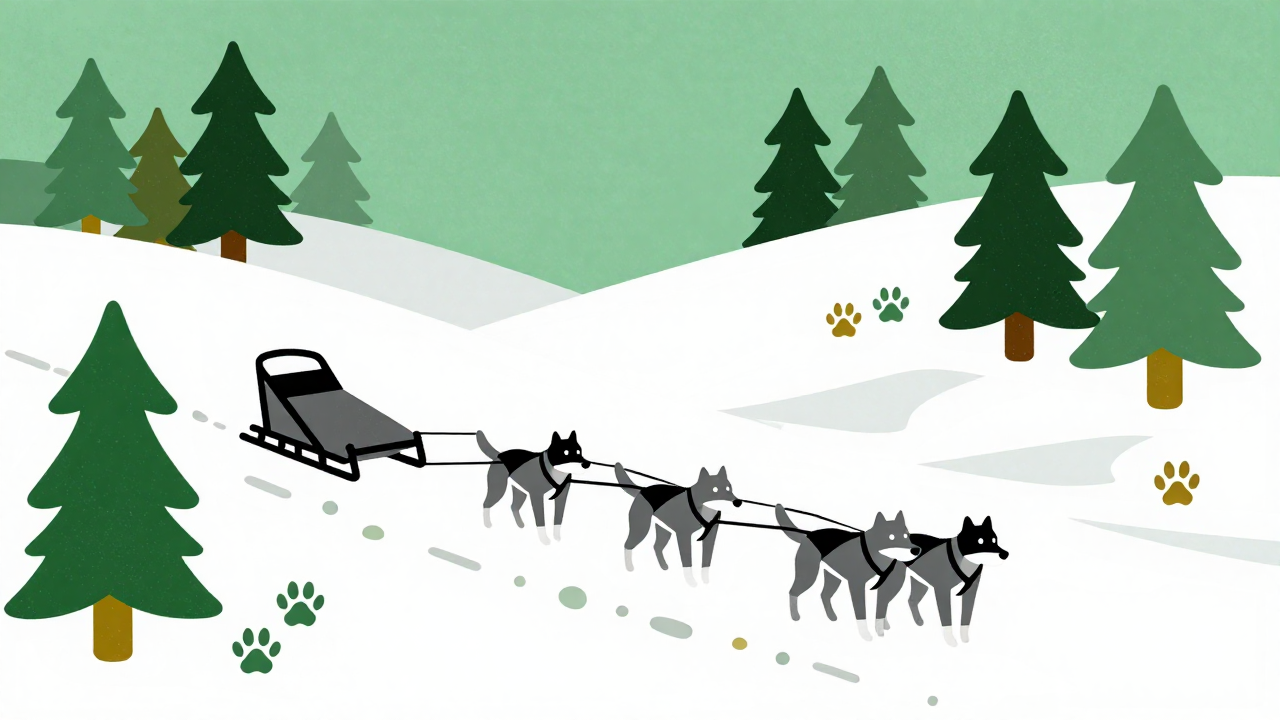
The Iditarod Race, celebrated annually on March 6, is an exhilarating event that captures the spirit of adventure and resilience found in the heart of Alaska. This iconic long-distance sled dog race stretches over 1,000 miles from Anchorage to Nome, showcasing not only the incredible athleticism of the canine competitors but also the dedication and skill of their mushers. As teams navigate through challenging terrain, harsh weather, and remote wilderness, the Iditarod serves as a thrilling testament to the bond between humans and their dogs, highlighting the profound connection that has developed over generations.
Marking its roots in the historic serum run of 1925, the race commemorates the heroic effort to deliver lifesaving medicine to the remote town of Nome during a diphtheria outbreak. Today, the Iditarod stands as a celebration of Alaskan culture, featuring a vibrant community spirit filled with festivities, gatherings, and the cheering of enthusiastic fans. Whether you're following the race from afar or experiencing it firsthand, March 6 is a day to honor not just the participants and their incredible canine partners, but also the rich heritage and resilience that defines the great state of Alaska.
History
The Iditarod Race, a hallmark of Alaskan culture and endurance sports, takes place annually on March 6. Its origins are deeply rooted in the necessity of dog sledding for transportation and communication in the harsh Alaskan wilderness. The race commemorates the 1925 serum run to Nome, a dramatic event where sled dog teams delivered diphtheria antitoxin to save the town from an outbreak. The heroism displayed by the mushers and their dogs captured the spirit of the Alaskan community and led to the conception of the Iditarod as a way to honor this incredible feat.
The first official Iditarod Race was held in 1973, and it has since grown to become an iconic event in the world of dog sledding. Initially a small-scale race with just 34 mushers competing, it has expanded significantly, attracting participants and spectators from around the globe. Over the decades, the race has evolved in terms of both scale and technology. While traditional dog sledding techniques remain at the heart of the event, advancements in training and equipment have influenced the strategies used by mushers. The race covers approximately 1,000 miles of challenging terrain, from Anchorage to Nome, and it typically takes about 8 to 15 days for participants to complete.
Culturally, the Iditarod Race serves as a testament to the resilience and spirit of Alaskan life. It highlights the importance of community, teamwork, and the close bond between mushers and their dogs. The event draws attention not only to the sport but also to the rich history of dog sledding among Native Alaskan tribes, who have relied on this mode of transport for centuries. The race has become a symbol of Alaskan identity, showcasing both the beauty of the landscape and the endurance required to navigate its challenges.
As it is celebrated on March 6 each year, the Iditarod Race has gained international recognition, drawing thousands of fans and media attention. The event is not merely a competition; it is a cultural festival that includes celebrations, educational programs, and community engagement activities. The Iditarod continues to evolve while maintaining its roots in history, embodying the spirit of adventure, resilience, and the unique relationship between humans and their canine companions.