Liberation Day (Bevrijdingsdag)
Netherlands
About
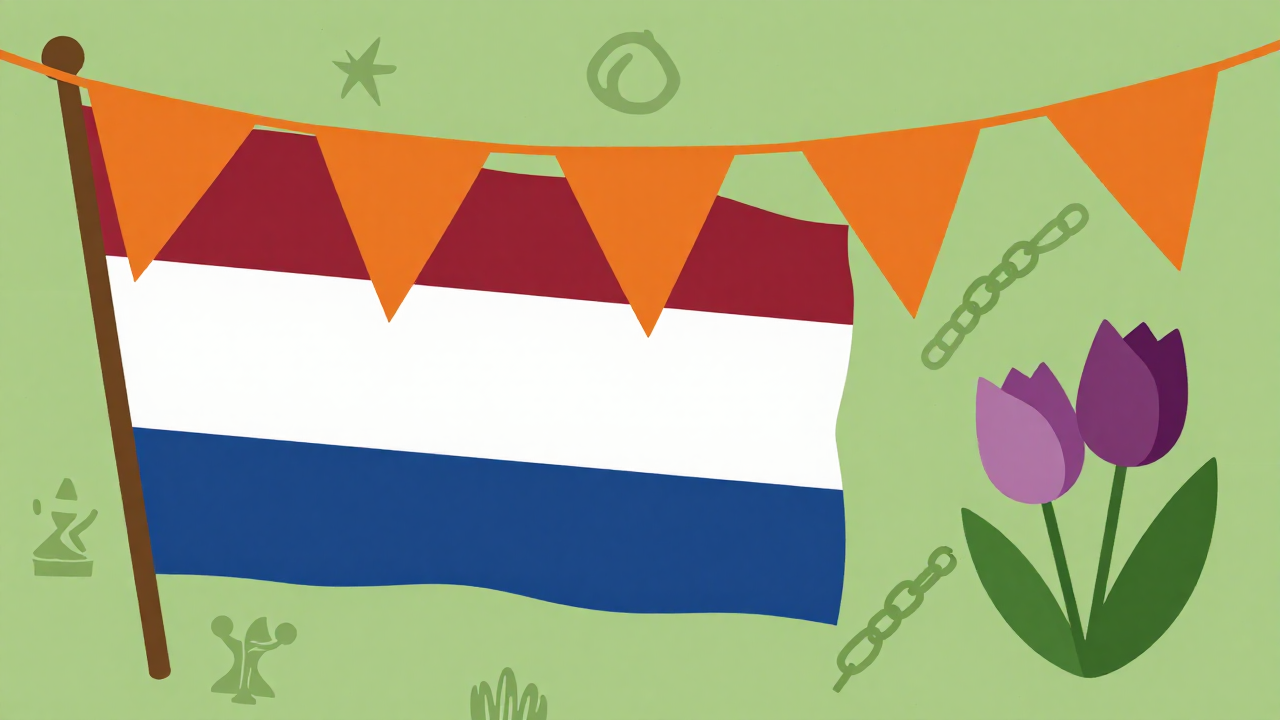
Liberation Day, known as Bevrijdingsdag in Dutch, is a heartfelt celebration observed on May 5 each year, marking the end of the German occupation during World War II in the Netherlands. This significant day serves as a reminder of the country’s hard-won freedom and the values of liberty and democracy that it cherishes. The observance resonates deeply with the Dutch people, who reflect on the sacrifices made for their freedom and the importance of standing against oppression in all its forms.
On this day, various festivities take place across the country, including parades, concerts, and cultural events that invite citizens to come together in unity and joy. Many communities also hold moments of remembrance, honoring those who fought for liberation and those who lost their lives during the war. Liberation Day is not only a time for celebration but also an opportunity to promote awareness about human rights and the continuous struggle for freedom around the world. As families and friends gather to enjoy the festivities, the spirit of hope and resilience shines brightly, reminding everyone of the enduring significance of freedom in their lives.
History
Liberation Day, known as Bevrijdingsdag in Dutch, is celebrated annually on May 5 in the Netherlands. This observance commemorates the liberation of the country from Nazi occupation during World War II. The roots of Liberation Day trace back to the end of the war in 1945, when the Netherlands was liberated by the Allies after five years of German occupation. May 5 marks the day when the German forces surrendered in the Netherlands, leading to the restoration of Dutch sovereignty and freedom. Initially, the day was celebrated only in 1945 as a spontaneous response to the end of oppression, with public gatherings and festivities emerging to express joy and relief.
Over the years, the significance of Liberation Day evolved beyond mere commemoration of the end of World War II. In 1949, the Dutch government officially recognized May 5 as a national holiday, establishing it as a day not only to celebrate freedom but also to reflect on the value of liberty and the ongoing struggle against oppression. The day became an opportunity for the citizens of the Netherlands to remember the sacrifices made during the war, honor the victims, and recognize the importance of safeguarding democracy and human rights. As time progressed, the observance expanded to include educational programs and events that highlight the importance of freedom and tolerance in contemporary society.
Culturally, Liberation Day has become a poignant reminder of the Netherlands' history and a celebration of diversity and acceptance. The festivities typically feature concerts, parades, and various cultural events across the country, with a focus on promoting peace and unity. Notably, the day also serves as a platform for discussions about modern-day issues related to freedom and democracy, emphasizing that the struggle for liberation is ongoing. Additionally, the day is complemented by Liberation Festival events across multiple cities, showcasing music, art, and performances that reflect the spirit of freedom.
In summary, Liberation Day (Bevrijdingsdag), observed on May 5, is a significant occasion in the Netherlands that honors the end of Nazi occupation and celebrates the values of freedom, democracy, and human rights. Its evolution from a post-war celebration to a national holiday reflects the enduring importance of these ideals, making it a cornerstone of Dutch national identity and resilience.