Europe Day
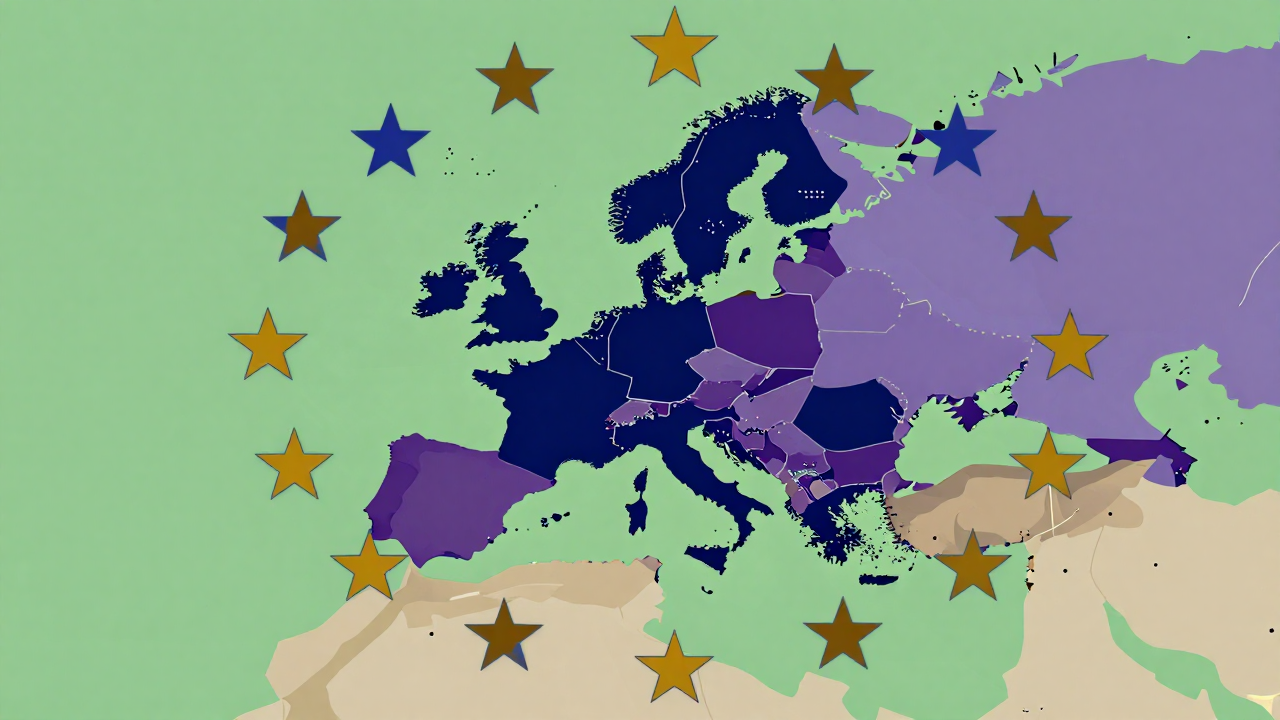
Austria, Belgium, Croatia, Cyprus, Czech Republic, Estonia, Finland, France, Germany, Greece, Hungary, Italy, Latvia, Lithuania, Luxembourg, Malta, Netherlands, Poland, Portugal, Romania, Slovakia, Slovenia, Spain, Sweden
About
Europe Day, observed on May 5, is a vibrant celebration of peace and unity across the continent. This day commemorates the historic Schuman Declaration of 1950, which laid the foundation for what would eventually become the European Union. The declaration emphasized the importance of cooperation among European nations to ensure lasting peace following the devastation of World War II. Europe Day serves as a reminder of the values of solidarity, diversity, and shared history that bind the nations of Europe together.
On this special day, communities across Europe engage in various activities that promote understanding and collaboration among different cultures. From educational events and cultural festivals to discussions on the future of Europe, Europe Day inspires citizens to reflect on their collective identity and the importance of working together towards common goals. It's a time for people to come together, celebrate their unique heritages, and embrace the idea that unity in diversity is a strength that can help shape a brighter future for all. So, as May 5 approaches, take a moment to appreciate the rich tapestry of cultures that make up Europe and the shared journey toward peace and prosperity.
History
Europe Day, observed on May 5, has its origins rooted in the post-World War II era, a time when Europe was grappling with the aftermath of devastating conflict and seeking pathways toward unity and peace. The date commemorates the Schuman Declaration, presented by French Foreign Minister Robert Schuman on May 9, 1950. This declaration proposed the creation of a European Coal and Steel Community, a foundational step towards European integration. The initiative aimed to foster economic cooperation, which was believed to be essential for maintaining peace between European nations.
Over the decades, Europe Day has evolved from its initial focus on economic collaboration to a broader celebration of European unity and identity. In 1985, the European Communities decided to officially recognize May 9 as Europe Day, aligning it with the Schuman Declaration. This shift marked a transition from a purely political observance to one that also encompassed cultural and social dimensions. The day serves as an opportunity for citizens across Europe to engage in discussions regarding European integration, democracy, and human rights, reflecting the continent's commitment to unity in diversity.
Culturally, Europe Day promotes the values of peace, solidarity, and cooperation among European nations. It encourages citizens to reflect on the importance of European integration, not only as a political project but also as a cultural and social one. Various events, including exhibitions, concerts, and educational activities, take place across member states to celebrate the achievements of the European Union and to foster a sense of belonging among its citizens. This observance also highlights the shared history and values that bind Europeans together, reinforcing the idea that collaboration is key to overcoming challenges.
As Europe continues to face complex issues such as migration, climate change, and economic disparities, Europe Day remains a significant reminder of the importance of unity. The observance encourages dialogue and understanding among diverse cultures and populations, reaffirming the commitment to a peaceful and prosperous Europe. On May 5, citizens are called to engage with their communities and reflect on the future of Europe, celebrating the progress that has been made while acknowledging the work that remains to ensure a united and harmonious continent.