Children's Day (Kodomo no Hi)
Japan
About
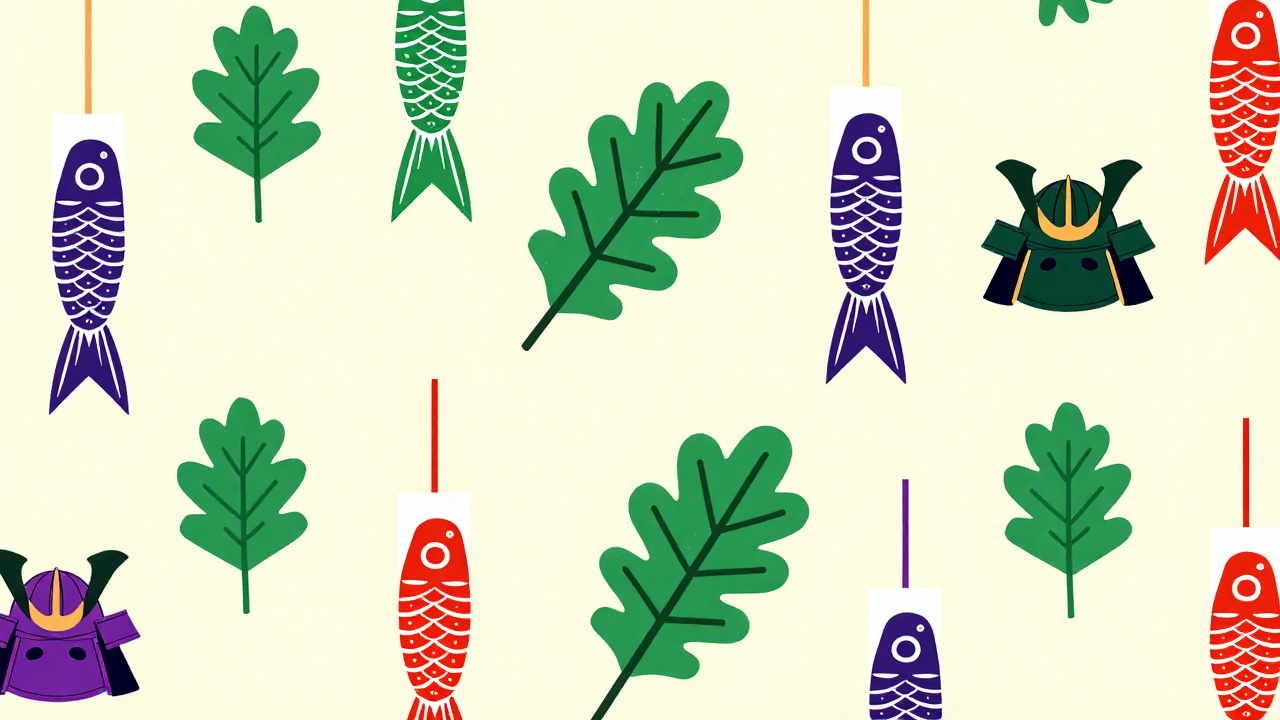
Children's Day, known as Kodomo no Hi in Japan, is a joyous celebration held annually on May 5. This vibrant holiday is dedicated to honoring the health, happiness, and growth of children, particularly boys. It is a time when families come together to express their love and support for the young ones in their lives, making it a cherished occasion across the country. The day is steeped in tradition, with colorful koinobori—carp-shaped windsocks—flown proudly to symbolize strength and perseverance, inspired by the belief that carp can swim upstream and overcome obstacles.
As families gather on this special day, they often share delicious foods like kashiwa mochi, a rice cake filled with sweet red bean paste, wrapped in an oak leaf. These customs not only celebrate the children but also reflect the hopes and dreams parents have for their future. Children's Day is a reminder of the joy children bring into our lives and the importance of nurturing their growth and happiness. So, on May 5, let’s celebrate the spirit of childhood and the promise of a bright tomorrow!
History
Children's Day, known in Japan as Kodomo no Hi, is celebrated annually on May 5. This day is a significant part of Japan's Golden Week, a series of holidays that provide a festive atmosphere for families. The origins of Children's Day can be traced back to the Heian period (794-1185), where it was originally celebrated as a festival for boys, known as Tango no Sekku. This festival emphasized the health and prosperity of boys, featuring customs such as displaying samurai dolls and hanging up irises, which were believed to ward off evil spirits.
Over time, the observance evolved. By the end of World War II, in 1948, the Japanese government officially designated May 5 as Children's Day, transforming it from a day solely focused on boys to one that celebrates the health and happiness of all children. This shift was part of a broader movement to promote children's rights and well-being in the post-war era. The day is now seen as an opportunity for families to celebrate their children, regardless of gender, fostering a sense of unity and love within the household.
Culturally, Children's Day is marked by various traditional practices that underscore its significance. Families often display koinobori, which are carp-shaped windsocks that symbolize strength and perseverance, hanging them outside their homes. The carp is a powerful symbol in Japanese culture, representing the ability to overcome adversity, much like a carp swimming upstream. Additionally, families may prepare special foods, such as kashiwa mochi (rice cakes wrapped in oak leaves), which signify prosperity and growth. The day serves not only as a celebration of childhood but also as a reminder of the hopes and dreams that parents hold for their children.
In conclusion, Children's Day, or Kodomo no Hi, has transformed from a festival dedicated to boys into a meaningful observance for all children in Japan. Celebrated on May 5, it encapsulates the aspirations for health, happiness, and strength for the younger generation, while reinforcing the cultural values of family and community. This day, filled with joy and reflection, continues to play an essential role in Japanese society, affirming the importance of nurturing the future.