Lei Day
United States
About
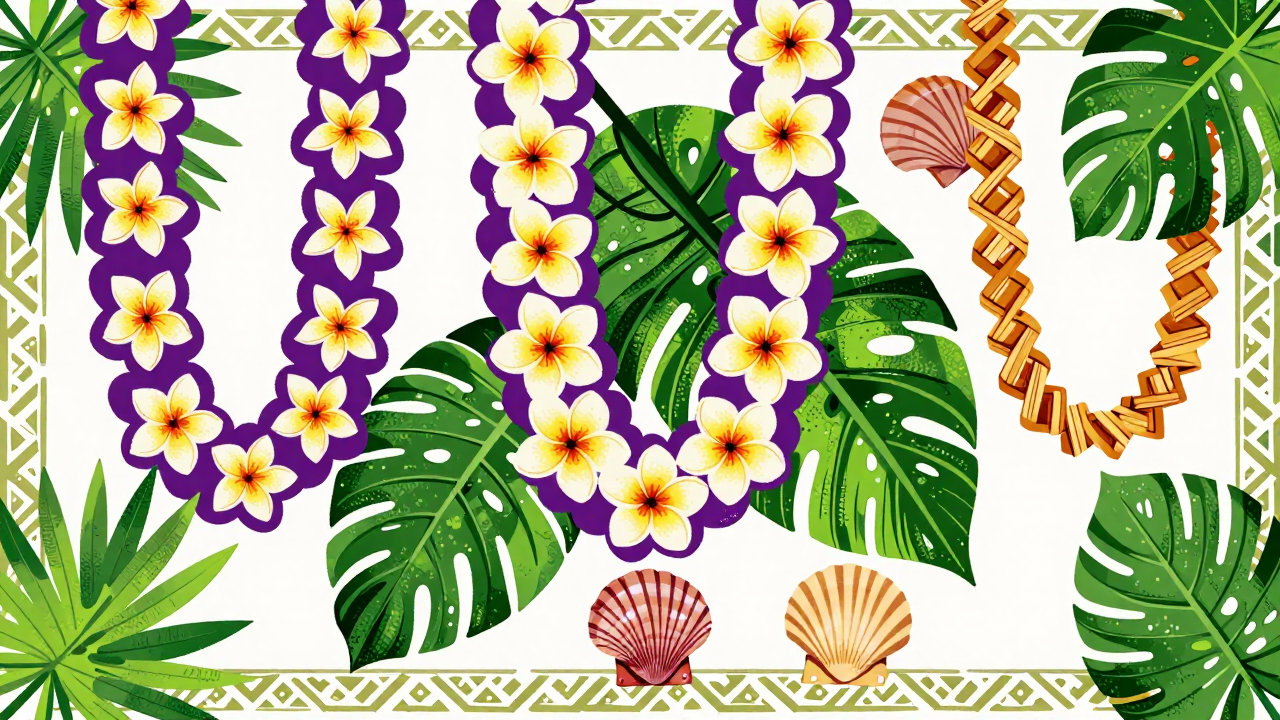
Lei Day, celebrated on May 1, is a vibrant and cherished observance that honors the beauty and significance of lei, the traditional Hawaiian garland made from flowers, leaves, or shells. This day invites people to embrace the spirit of aloha, a deep-rooted aspect of Hawaiian culture that emphasizes love, peace, and compassion. On Lei Day, communities come together to showcase their creativity and artistry through the crafting of leis, which symbolize friendship, love, and celebration.
Festivities typically include hula performances, music, and cultural demonstrations, allowing everyone to immerse themselves in the rich traditions of Hawaii. Schools, local organizations, and families often host events where participants can learn how to make their own leis, fostering a sense of connection and appreciation for this beautiful practice. Whether adorned with fragrant flowers or vibrant foliage, leis serve as a reminder of the bonds we share and the beauty found in nature, making Lei Day a truly uplifting occasion to celebrate on May 1.
History
Lei Day, celebrated annually on May 1, has deep roots in Hawaiian culture, reflecting the islands' rich traditions and the importance of the lei, a garland or wreath made from flowers, leaves, or other materials. The observance was first established in 1928 by poet Don Blanding, who sought to honor the beauty and significance of leis in Hawaiian society. Blanding's vision was to create a day for people to express their love and appreciation for one another through the giving of leis, emphasizing the act as a symbol of friendship and affection.
Over the years, Lei Day has evolved into a vibrant celebration that showcases Hawaiian culture and heritage. It became an official holiday in Hawaii in 1929, with various events held across the islands to promote the making and wearing of leis. Schools, communities, and local organizations often organize festivities that include hula performances, music, and floral displays, allowing residents and visitors alike to immerse themselves in the local culture. The event provides an opportunity for people to come together, share stories, and participate in the creation of leis, fostering a sense of community and belonging.
The cultural significance of Lei Day extends beyond mere celebration; it is deeply intertwined with the values of aloha, which encompass love, compassion, and mutual respect. The lei is not just a decorative item; it carries meaning and tells a story. Different types of leis represent various sentiments, occasions, and relationships, making their exchange a heartfelt gesture. As participants engage in Lei Day activities, they celebrate not only the physical beauty of the flowers but also the spirit of togetherness and connection that the lei embodies.
As Lei Day continues to be celebrated on May 1, it remains a vital part of Hawaiian identity, blending tradition with contemporary expression. The observance serves as a reminder of the islands' unique heritage and the enduring significance of the lei as a symbol of love and friendship. Each year, the celebration enriches the community, inviting people to embrace the essence of aloha and the beauty of Hawaiian culture.