Lag BaOmer
Israel, United States, Canada, United Kingdom, France, Australia, Argentina
About
Lag BaOmer, celebrated on May 25, is a vibrant and joyful observance in the Jewish calendar that marks the 33rd day of the Omer, a period of counting that spans 49 days between Passover and Shavuot. This special day serves as a moment of both celebration and reflection, as it commemorates the life and legacy of Rabbi Shimon bar Yochai, a revered sage and mystic who is believed to have revealed the secrets of the Torah. On this day, many people gather to honor his teachings and the spirit of unity within the Jewish community.
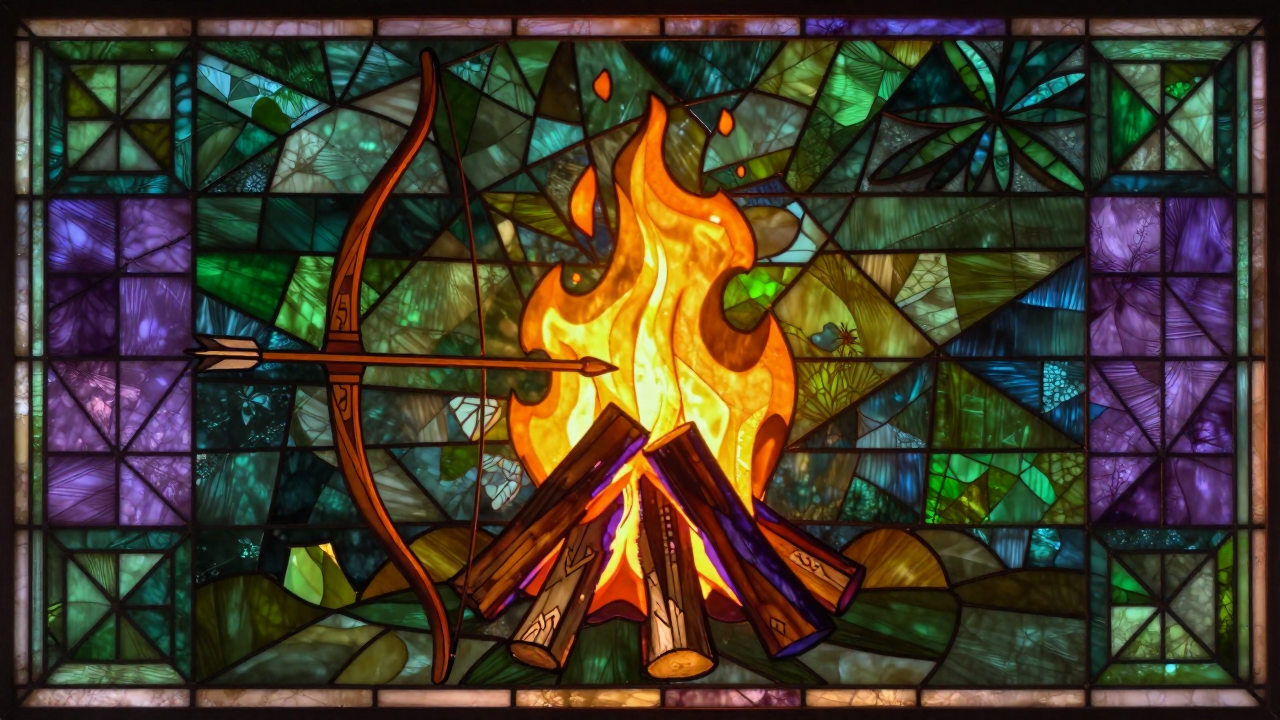
Traditions associated with Lag BaOmer are rich and varied, often including bonfires, picnics, and festive gatherings. The lighting of bonfires symbolizes the light of Torah and the joy of Rabbi Shimon's teachings. Families and friends come together to enjoy outdoor activities, showcasing the warmth of community and the importance of togetherness. Children often participate in activities like archery, which adds an element of playfulness to the day. As the sun sets on May 25, the atmosphere is filled with laughter and camaraderie, making Lag BaOmer a delightful celebration that brings people closer together while honoring a significant part of Jewish heritage.
History
Lag BaOmer is a Jewish holiday celebrated on May 25, marking the 33rd day of the Omer counting period between Passover and Shavuot. The term "Lag" represents the Hebrew letters Lamed (30) and Gimel (3), thus denoting the number 33. The holiday has its origins rooted in Jewish tradition, particularly relating to the mourning period observed during the Omer, which commemorates the deaths of Rabbi Akiva’s 24,000 students who perished due to a plague. This period of mourning is traditionally characterized by restrictions on celebrations and joyful events. However, Lag BaOmer serves as a reprieve from these restrictions, signifying a time of joy amidst the somber observance.
Historically, Lag BaOmer is associated with several significant events in Jewish history. One of the most prominent narratives revolves around Rabbi Shimon bar Yochai, a revered sage and the author of the Zohar, who is believed to have died on this day. His legacy is celebrated through various customs, including bonfires, which symbolize the light of knowledge he brought to the Jewish people. According to tradition, Rabbi Shimon instructed his followers to celebrate his yahrzeit (anniversary of death) with joy, which laid the groundwork for the festive nature of Lag BaOmer.
Over time, Lag BaOmer evolved into a day not only of remembrance but also of celebration. The holiday is marked by various customs, including lighting bonfires, which are often accompanied by singing, dancing, and communal gatherings. This aspect of the observance is particularly significant in Israel, where large bonfires are lit in parks and public spaces, symbolizing unity and the transmission of Jewish tradition. Additionally, Lag BaOmer has become a day for outdoor activities, particularly among children, who participate in games and festivities, further emphasizing its joyous character.
Culturally, Lag BaOmer holds a significant place within Jewish life, acting as a bridge between the solemnity of the Omer and the upcoming celebration of Shavuot, which commemorates the giving of the Torah. The holiday encapsulates themes of renewal and hope, reflecting the resilience of the Jewish people throughout history. As communities come together to celebrate Lag BaOmer on May 25, they not only honor their past but also reinforce their connections to tradition and one another, showcasing the enduring spirit of Jewish culture.