Jordan Independence Day
Jordan
About
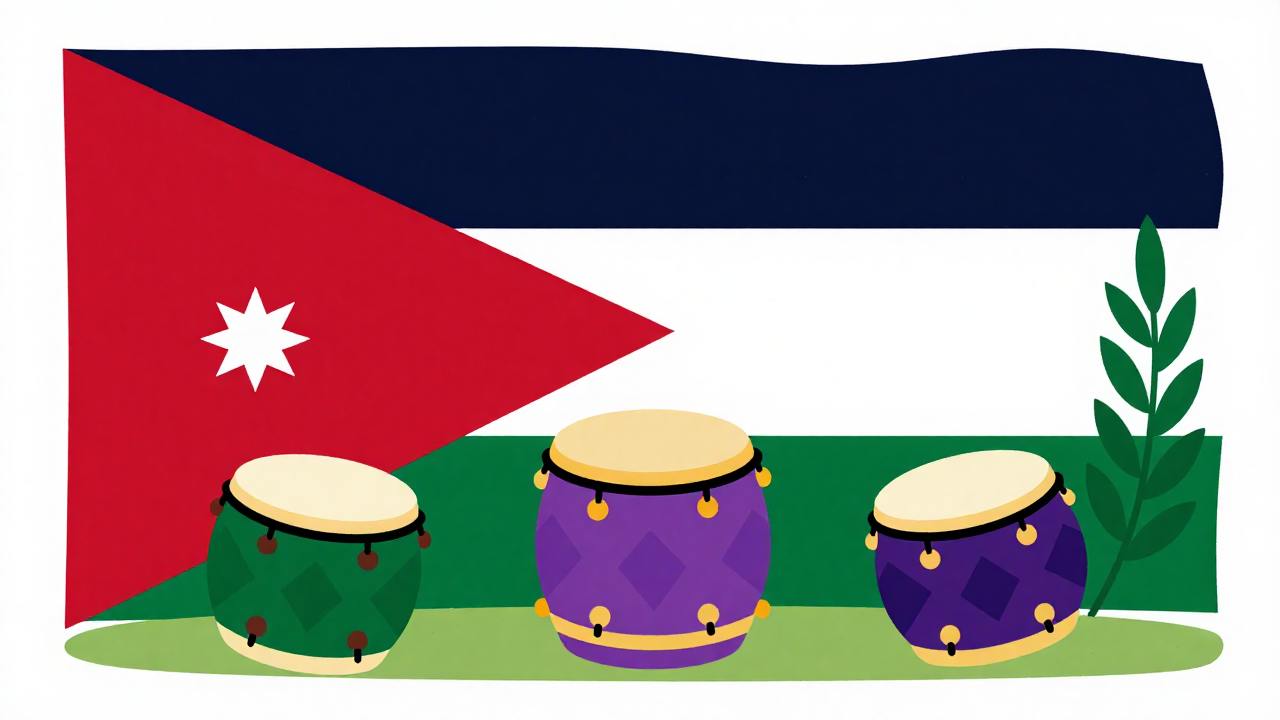
Jordan Independence Day, celebrated annually on May 25, is a momentous occasion that marks the country's liberation from colonial rule in 1946. This day is deeply rooted in the hearts of Jordanians, symbolizing their journey toward self-determination and national pride. As citizens come together to commemorate this significant milestone, the atmosphere is filled with joy, unity, and a strong sense of patriotism.
Festivities typically include parades, cultural performances, and various community events that showcase Jordan's rich heritage and diverse traditions. Streets are adorned with the national flag, and people gather to reflect on the sacrifices made for their freedom while celebrating the achievements of their nation. Jordan Independence Day serves as a reminder of the resilience and spirit of the Jordanian people, fostering a sense of belonging and hope for the future. Whether through vibrant public celebrations or intimate family gatherings, this day resonates with the values of independence and solidarity, making it a cherished observance for all Jordanians.
History
Jordan Independence Day is celebrated annually on May 25, marking the day in 1946 when Jordan officially gained independence from British mandate rule. The origins of this observance are rooted in the broader movements for independence that swept across the Arab world in the mid-20th century. Following World War II, many nations sought to establish their sovereignty, and Jordan was no exception. The end of the British mandate was a pivotal moment, allowing the Hashemite Kingdom to emerge as a fully sovereign state, and May 25 became a symbol of national pride and self-determination for the Jordanian people.
The observance of Jordan Independence Day has evolved significantly over the decades. Initially celebrated with modest ceremonies, it has grown into a national holiday characterized by parades, cultural events, and public festivities. The day is marked by official speeches, fireworks, and various activities that promote Jordanian heritage and national identity. The celebrations reflect the country’s historical achievements and the struggles endured to attain independence. As the nation has developed, the ways in which the day is commemorated have also adapted, incorporating modern elements that resonate with younger generations while honoring traditional practices.
Culturally, Jordan Independence Day holds significant meaning for the Jordanian people. It serves as a reminder of their history, resilience, and the collective effort to establish a nation. The day fosters a sense of unity among Jordanians, as they come together to celebrate their shared heritage and pride in their country's progress. It is also an occasion for reflection on the values of freedom and independence, emphasizing the importance of national sovereignty in the context of regional dynamics. As Jordan continues to navigate contemporary challenges, Independence Day remains a cornerstone of national identity, reinforcing the commitment to the principles of liberty and self-governance.
In conclusion, Jordan Independence Day on May 25 is not just a commemorative event; it is a vital part of Jordan's national narrative. It encapsulates the journey of a nation that has navigated the complexities of colonialism and emerged as a beacon of stability in the region. The observance of this day celebrates Jordan's past while looking forward to a future shaped by the aspirations of its people. As each year passes, the significance of this day endures, reminding Jordanians of their collective achievements and the ongoing quest for progress and prosperity.