African Liberation Day
Ghana, Tanzania, South Africa, Zimbabwe, Kenya, Nigeria, Liberia, Malawi, Congo, Uganda
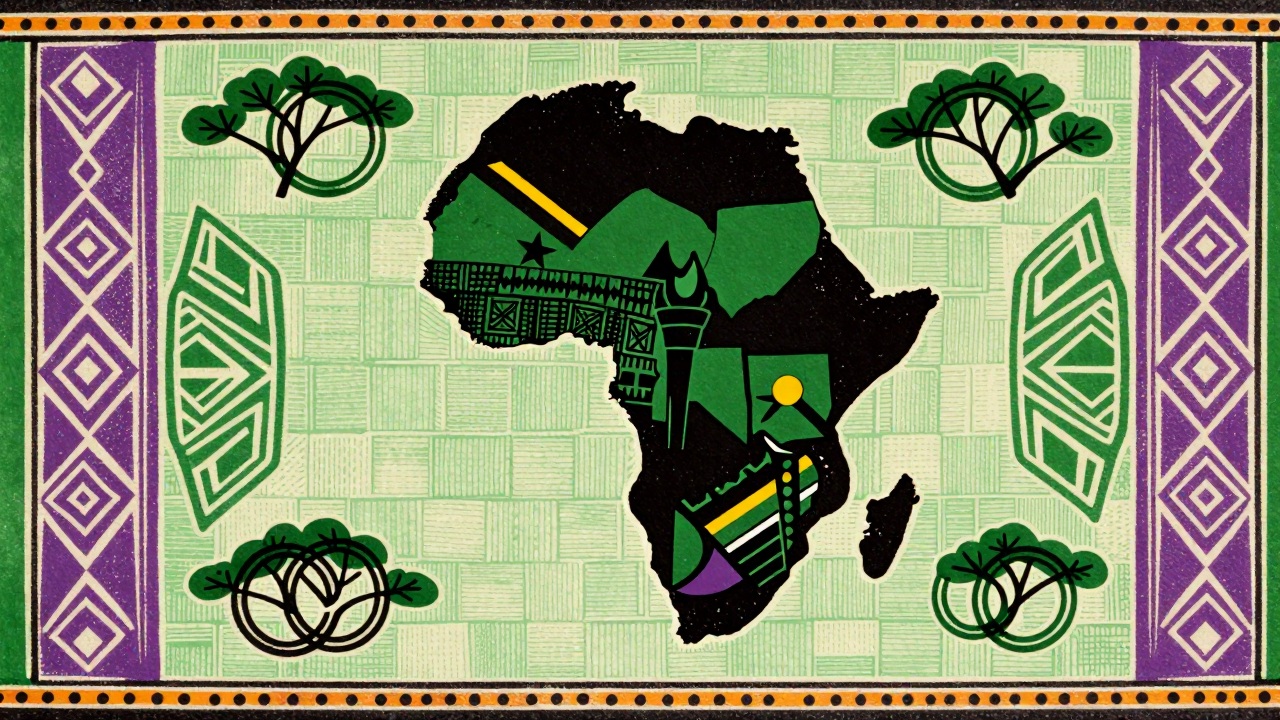
About
African Liberation Day, celebrated on May 25, is a powerful observance that honors the struggle for independence and self-determination across the African continent. Established in 1958, this day serves as a reminder of the resilience and determination of African nations as they fought against colonialism and oppression. It encourages people to reflect on the importance of unity, freedom, and empowerment, highlighting the shared history and cultural heritage that binds the diverse nations of Africa together.
This day is not only a time for remembrance but also a celebration of the achievements made since the liberation movements. Communities across Africa and in the diaspora come together to partake in various activities, including educational programs, cultural festivals, and discussions that emphasize the ongoing journey toward social justice and equality. As we observe African Liberation Day on May 25, we are invited to engage in conversations about the future of the continent, fostering solidarity and inspiring collective action towards a more equitable world.
History
African Liberation Day is observed annually on May 25, and it serves as a significant date in the history of the African continent, marking the collective struggle for freedom, independence, and unity among African nations. The origins of this observance can be traced back to the early 1960s, a period marked by a wave of decolonization across Africa. The first African Liberation Day was celebrated on May 25, 1963, coinciding with the establishment of the Organization of African Unity (OAU) in Addis Ababa, Ethiopia. This organization aimed to promote solidarity among African nations and support the fight against colonialism and apartheid.
As the years progressed, African Liberation Day evolved from a commemorative event into a platform for advocacy and activism. Initially focused on celebrating the independence of African nations, the observance began to encompass a broader range of issues, including human rights, economic empowerment, and political freedom. In 2002, the OAU was transformed into the African Union (AU), which continued to uphold the principles of unity and self-determination. This transition reflected the ongoing relevance of African Liberation Day as a rallying point for discussions about socio-economic development and political stability on the continent.
Culturally, African Liberation Day holds immense significance as it embodies the spirit of Pan-Africanism, a movement that seeks to unify people of African descent worldwide. Various events and activities are organized across the continent and in the diaspora, including educational programs, cultural exhibitions, and political rallies. These activities not only honor the struggle for independence but also highlight ongoing challenges faced by many African nations, such as poverty, inequality, and governance issues. By fostering a sense of unity and shared purpose, African Liberation Day encourages individuals and organizations to work collaboratively towards a more just and equitable future for all Africans.
In summary, African Liberation Day, observed on May 25, stands as a testament to the resilience and determination of the African people in their quest for freedom and self-determination. Its evolution from a celebration of independence to a broader platform for social justice reflects the changing dynamics of the continent and the enduring commitment to fostering unity among African nations. Each year, this observance reaffirms the importance of collective action and solidarity in addressing the challenges that continue to face Africa today.