International Zine Month
United States, Canada, United Kingdom, Australia, New Zealand, Germany
About
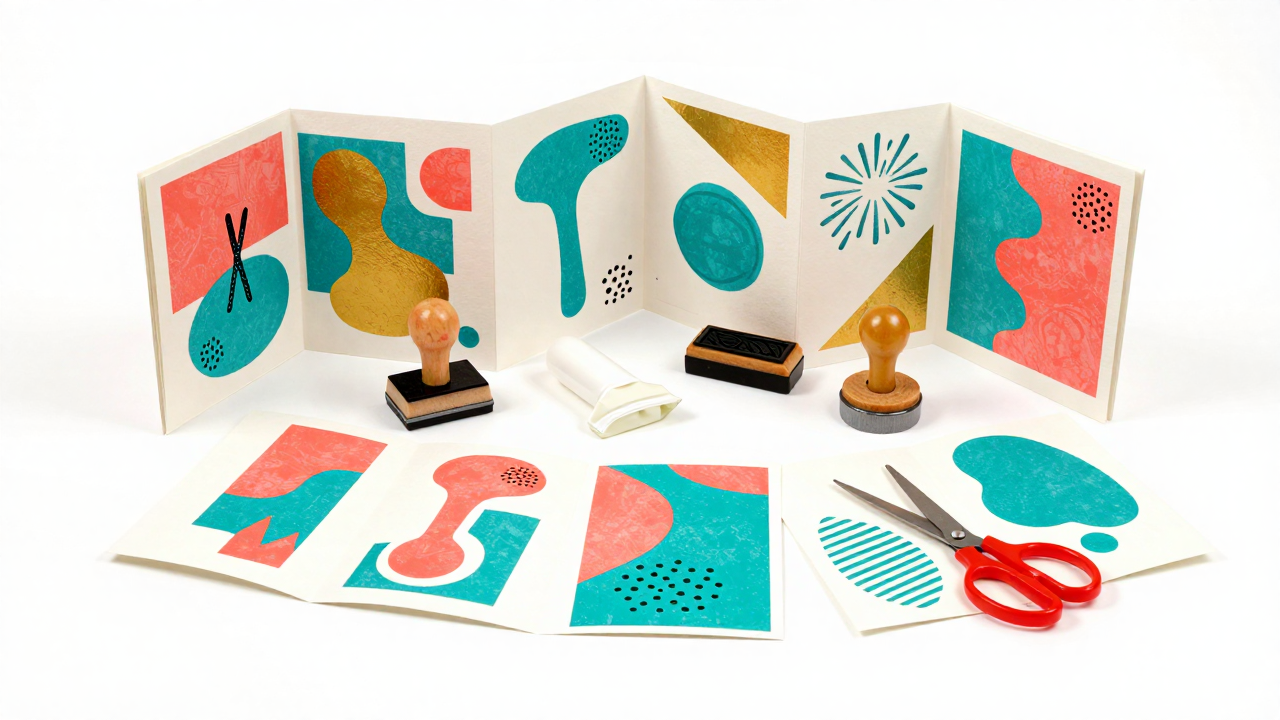
International Zine Month, observed throughout July, celebrates the creativity, independence, and community spirit of zine-making. Short for “fanzine” or “magazine,” zines are self-published booklets that can explore nearly any subject—from art, music, and poetry to personal stories, activism, and niche interests. They offer creators a flexible way to share ideas without waiting for traditional publishers or following commercial rules.
Throughout the month, people are encouraged to make, read, trade, and support zines. Whether created with photocopies, collage, handwriting, or digital tools, each zine reflects its maker’s unique voice. International Zine Month is a welcoming invitation to experiment, connect with fellow enthusiasts, and celebrate the freedom of sharing meaningful work in a personal, hands-on format.
History
International Zine Month is observed throughout July as a celebration of zines—independently produced, small-circulation publications made by individuals or collectives. The observance is widely credited to zinester and writer Alex Wrekk, whose work helped promote zine-making as an accessible form of do-it-yourself publishing. It emerged from the modern zine community’s desire to highlight the medium, encourage new creators, and connect readers, writers, artists, and distributors across different regions.
Zines have a much longer history than the observance itself. Their predecessors include amateur science-fiction publications, or fanzines, which circulated among enthusiasts during the early twentieth century. The word “zine” developed as a shortened form of “fanzine,” although the format later expanded well beyond science fiction. By the 1970s and 1980s, punk, feminist, queer, activist, and art communities had adopted photocopied pamphlets as inexpensive ways to share music, political ideas, personal experiences, criticism, and artwork outside established publishing industries.
Over time, zine culture evolved alongside changes in printing and communication technology. Photocopiers and desktop printers made production easier, while mail networks, independent bookstores, record shops, libraries, conventions, and specialized distributors helped zines circulate. Digital tools and social media later allowed creators to design, promote, and exchange zines more widely, but the physical handmade publication remained central to the culture. International Zine Month reflects this continuity by encouraging both traditional paper zines and contemporary approaches to independent publishing.
The observance has cultural significance because it emphasizes creative autonomy, low-cost participation, and direct communication. Zines give people—particularly those whose perspectives may be overlooked by mainstream media—a way to document their lives, build communities, preserve local histories, and address social issues in their own voices. Throughout July, participants may make or trade zines, visit libraries and archives, support independent distributors, organize workshops, or explore zine collections. In this way, International Zine Month celebrates not only a type of publication but also the collaborative, experimental, and inclusive culture that surrounds it.