Epiphany
Spain, Italy, Mexico, Philippines, Greece, France, Germany, Russia, Sweden, Venezuela
About
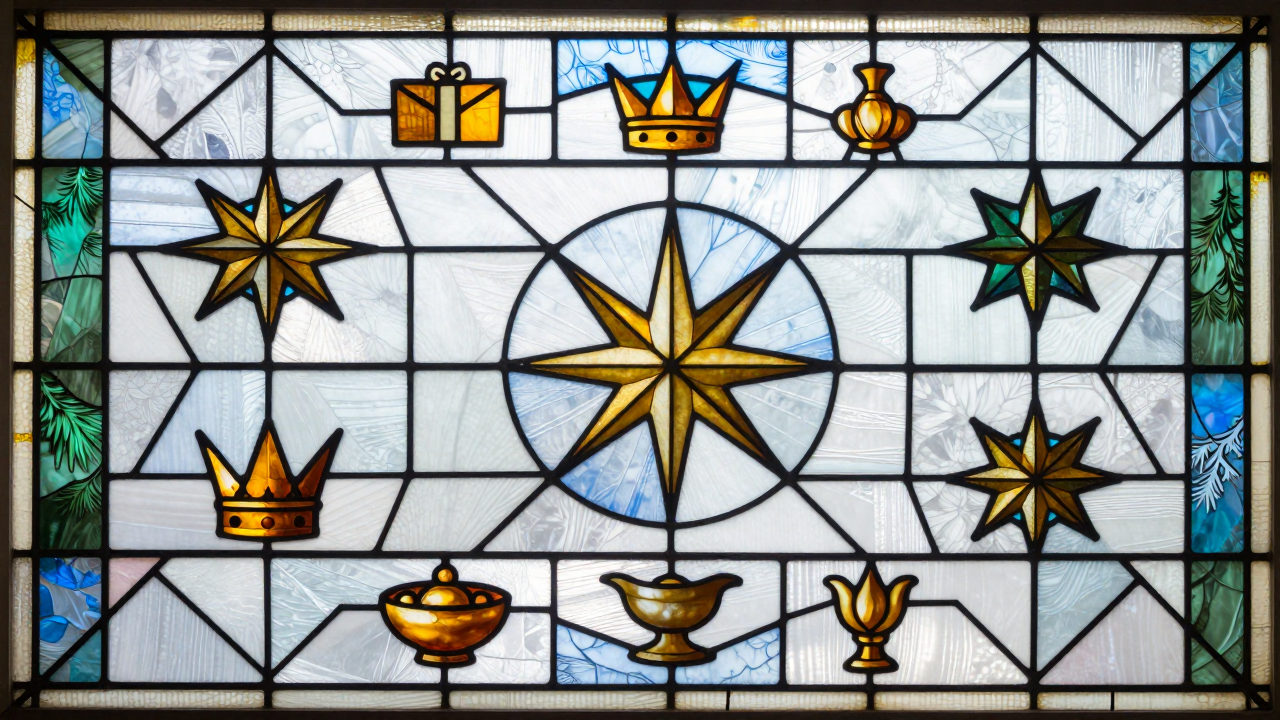
Epiphany, celebrated on January 6, is a vibrant and meaningful observance that marks the revelation of Christ to the Gentiles, represented by the visit of the Magi, or Wise Men, to the infant Jesus. This day is often seen as the culmination of the Christmas season, inviting reflection on the significance of light and guidance in our lives. In various cultures, Epiphany is a time for festivities, family gatherings, and the continuation of holiday traditions, as communities come together to share in the joy and warmth of this special day.
Traditions surrounding Epiphany vary around the world, but many include the blessing of homes, the preparation of special meals, and the enjoyment of delicious cakes, such as the King Cake, which is often adorned with colorful decorations. In some countries, children might leave their shoes out in hopes of receiving gifts, reinforcing the theme of generosity and the spirit of giving. As families and friends celebrate, Epiphany serves as a beautiful reminder of the light that shines in the darkness, inviting everyone to embrace the beauty of togetherness and the joy of discovery.
History
Epiphany, celebrated on January 6, has its roots in early Christian traditions, marking the revelation of Christ to the Gentiles, represented by the visit of the Magi, or Wise Men, to the infant Jesus. The term "Epiphany" itself is derived from the Greek word "epiphaneia," meaning "manifestation" or "appearance." The observance is thought to have originated in the Eastern Church, where it was originally celebrated as a feast of the Nativity, encompassing both the birth of Jesus and his baptism. This dual celebration reflects the early Church’s understanding of the significance of Christ's early life and the divine nature he embodied.
Over time, the celebration of Epiphany evolved, particularly in the Western Church, where it became more distinctly focused on the visit of the Magi. By the 4th century, the feast was established as a significant occasion in the Christian liturgical calendar, gradually leading to the differentiation between Christmas, which celebrates the Nativity, and Epiphany, which emphasizes Christ’s manifestation to the world. The Western Church solidified January 6 as the official date for this observance, and it eventually became a day filled with various customs and traditions across different cultures.
Culturally, Epiphany holds great significance in many countries, often marked by unique local traditions. In places like Spain and Latin America, it is celebrated as "El Día de los Reyes" or Three Kings' Day, highlighting the arrival of the Magi with gifts for the Christ child. This day often involves festive parades, special baked goods like the rosca de reyes, and other communal celebrations. In Eastern Orthodox Christianity, Epiphany is sometimes referred to as Theophany and is associated with the baptism of Jesus in the Jordan River, marked by the blessing of water ceremonies.
In summary, Epiphany, observed annually on January 6, reflects a rich tapestry of early Christian beliefs and cultural traditions. Its evolution from a combined celebration of the Nativity and baptism to a distinct feast day underscores the adaptability and diversity of Christian practices. As it continues to be celebrated worldwide, Epiphany remains a significant occasion that brings together themes of revelation, community, and festive joy, bridging various cultural expressions in honor of the manifestation of Christ.