Armenian Christmas
Armenia, Lebanon, Georgia, Russia, United States, France, Canada
About
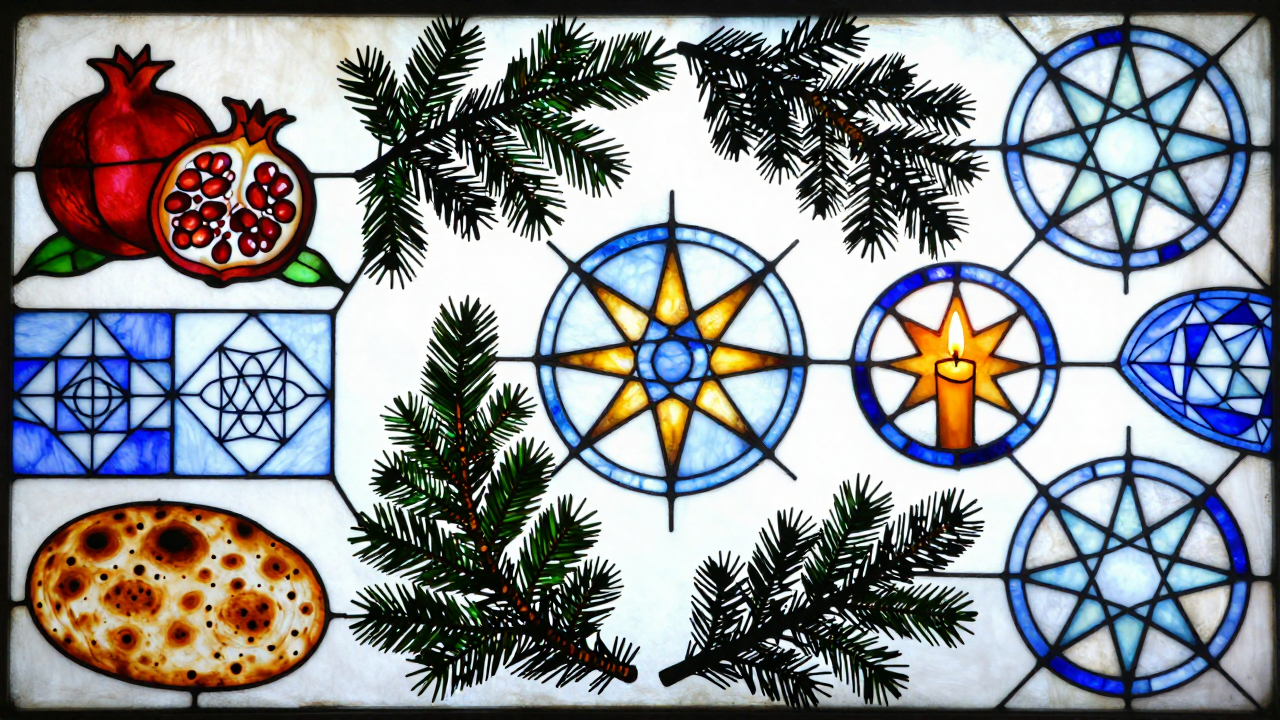
Armenian Christmas, celebrated on January 6, is a beautiful and deeply significant observance that holds a special place in the hearts of Armenians around the world. This day marks the celebration of both the birth and baptism of Jesus Christ, a unique tradition that distinguishes it from Christmas celebrations held on December 25 in many other Christian denominations. The rich tapestry of customs and rituals associated with Armenian Christmas reflects a blend of religious reverence and cultural heritage, creating a warm atmosphere filled with hope and joy.
On this day, families gather to attend church services, where they participate in the Divine Liturgy. This solemn yet festive occasion is often followed by a feast featuring traditional dishes, symbolizing unity and togetherness. One of the highlights is the lighting of candles, representing the light of Christ illuminating the world. As families share stories, songs, and cherished memories, Armenian Christmas becomes a time to celebrate love, faith, and community, making it an inviting and heartfelt occasion for all.
History
Armenian Christmas, celebrated on January 6, has deep roots in the early Christian traditions of Armenia. The observance combines the celebration of the Nativity of Jesus Christ and the Epiphany, marking both the birth and the revelation of Christ to the world. This dual celebration reflects the theological emphasis of the Armenian Apostolic Church, which regards the baptism of Jesus in the River Jordan as a pivotal moment in His life and a significant event in Christian history. The origins of Armenian Christmas can be traced back to the early centuries of Christianity, making it one of the oldest religious observances in the world.
Historically, the Armenian Church differentiated its Christmas celebration from that of the Western Christian tradition, which marks the Nativity on December 25. The divergence is attributed to historical and cultural developments within Armenia, particularly during the time of the early church's establishment in the region. In the 4th century, Armenia became the first nation to adopt Christianity as its state religion, leading to the establishment of unique liturgical practices and celebrations. The church's decision to celebrate Christmas on January 6 was also influenced by the desire to emphasize the significance of Christ's baptism and His role as the Messiah.
Over the centuries, Armenian Christmas has evolved into a rich cultural observance that incorporates various customs and traditions. On the eve of January 5, families often partake in a special meal and attend church services, culminating in the Blessing of the Water ceremony, which symbolizes Jesus' baptism. The following day, January 6, is marked by festive gatherings, where families come together to share a feast that typically includes traditional dishes such as pilaf, fish, and dried fruits. The holiday also emphasizes the importance of family and community, with many Armenians visiting the graves of loved ones to honor their memory.
Culturally, Armenian Christmas serves as a key expression of national identity and heritage for Armenians around the world. The celebration is a time for spiritual reflection and renewal, as well as a reaffirmation of faith and community ties. In addition to its religious significance, the observance showcases the rich traditions of Armenian music, dance, and cuisine, further enriching the cultural tapestry of Armenia. Thus, January 6 stands not only as a religious holiday but also as a vital occasion for the Armenian community to commemorate their history, values, and enduring spirit.