Dry Bean Day
United States, Canada
About
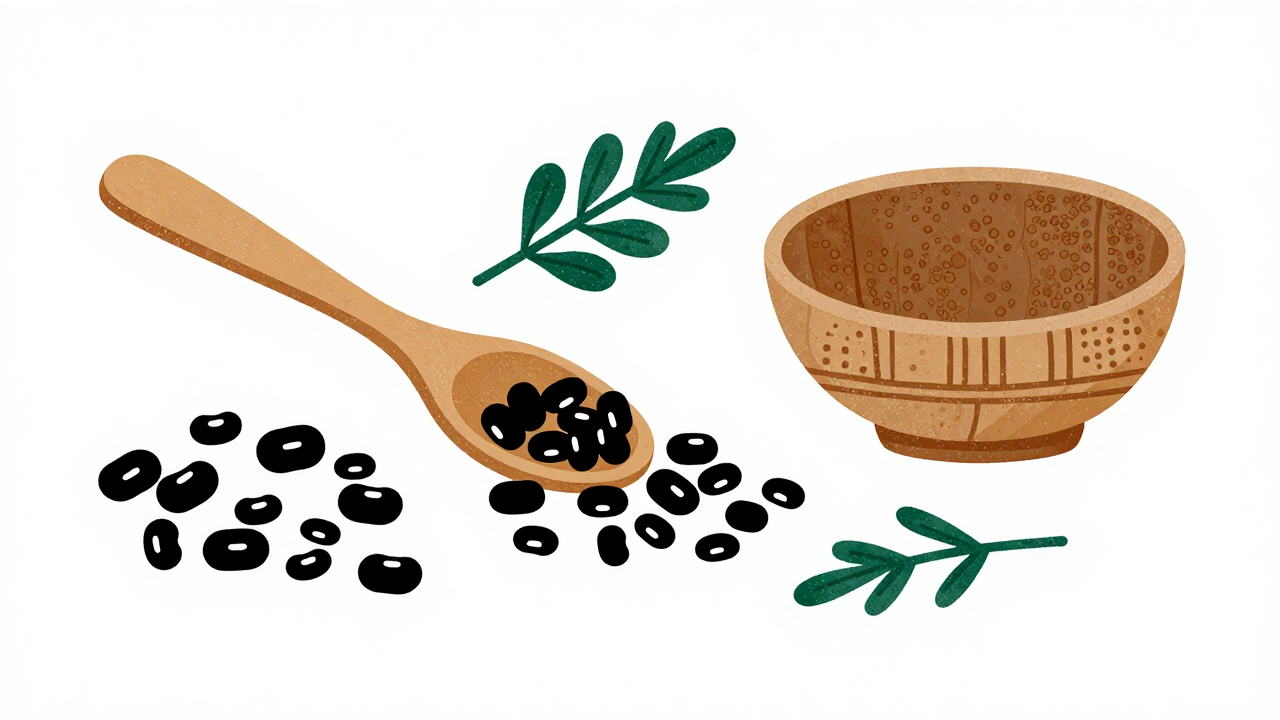
On January 6, we celebrate Dry Bean Day, a delightful occasion that shines a spotlight on one of the most versatile and nutritious ingredients in our kitchens: dry beans! This day serves as a reminder to appreciate the humble bean, which has been a staple in diets around the world for centuries. Packed with protein, fiber, and essential nutrients, beans are not only a powerhouse of health benefits but also a symbol of sustainability and resourcefulness in cooking.
Whether you enjoy them in soups, salads, or as a hearty side dish, dry beans offer endless culinary possibilities. On this special day, why not try your hand at a new bean recipe or explore different varieties, such as black beans, kidney beans, or chickpeas? Gather your family and friends to share delicious meals, and take a moment to reflect on the rich history and cultural significance of beans in various cuisines. Celebrate Dry Bean Day by embracing this nutritious food and discovering the joy of cooking with dry beans!
History
Dry Bean Day is observed annually on January 6, celebrating the nutritional and culinary value of dry beans, a staple in many diets worldwide. The origins of this observance can be traced back to the agricultural practices that highlight the importance of legumes in sustainable farming and food security. Historically, beans have been cultivated for thousands of years, with evidence suggesting their domestication in regions of the Americas as early as 7000 BCE. The versatility of dry beans, which can be stored for long periods and provide a substantial source of protein, made them a crucial part of diets across various cultures.
Over time, the recognition of dry beans evolved, particularly in the 20th century, as agricultural practices shifted and the importance of legumes in crop rotation and soil health was emphasized. The advent of Dry Bean Day serves not only to honor the food but also to promote awareness about sustainable agriculture and nutrition. Educational campaigns around this day focus on the benefits of including dry beans in one’s diet, such as their high fiber content, affordability, and low environmental impact compared to animal protein sources.
Culturally, Dry Bean Day reflects a broader appreciation for plant-based foods. In various communities, beans are celebrated in traditional dishes, showcasing their significance in culinary heritage. For instance, different regions may have their signature bean recipes, such as chili in the United States or feijoada in Brazil. The observance encourages families and individuals to explore the diverse ways dry beans can be prepared, fostering a connection to both health and cultural traditions.
As Dry Bean Day is celebrated on January 6, it serves as a reminder of the role that legumes play in global diets and agricultural systems. The day not only highlights the nutritional benefits of dry beans but also encourages sustainable farming practices that benefit both the environment and human health. By recognizing this observance, communities can come together to appreciate the humble bean and its contributions to food security and culinary diversity.