Global Energy Independence Day
About
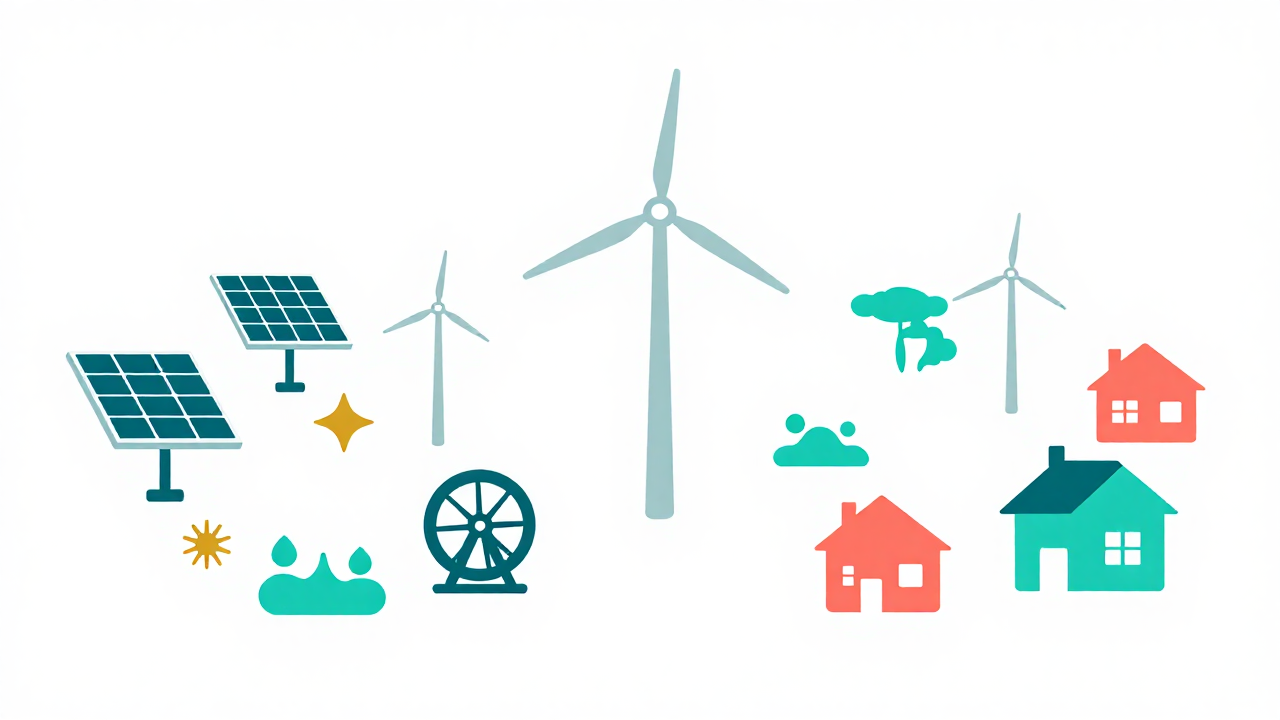
Global Energy Independence Day, observed on July 10, highlights the importance of building a cleaner, more secure, and more self-sufficient energy future. The observance encourages people, communities, businesses, and governments to consider how renewable sources such as solar, wind, hydropower, and geothermal energy can reduce reliance on imported fossil fuels and strengthen energy resilience.
It is also an opportunity to learn about energy conservation and the role everyday choices can play in creating a more sustainable world. From improving household efficiency to supporting clean-energy innovation, Global Energy Independence Day invites everyone to reflect on how thoughtful action and cooperation can help make reliable, affordable energy available for generations to come.
History
Global Energy Independence Day is observed annually on **July 10** as an awareness observance focused on reducing dependence on finite, imported, or geopolitically vulnerable energy supplies. Unlike long-established national holidays, it does not appear to have a widely documented founding event, legislative creation, or universally recognized sponsoring institution. Contemporary references, including the overview published by National Today, present it primarily as an occasion to consider energy security, renewable power, conservation, and the long-term transition away from fossil fuels.
The observance reflects a much longer history of concern about energy dependence. In the 20th century, oil-importing countries became increasingly aware that disruptions in production, transportation, or international relations could affect prices and economic stability. These concerns became especially prominent during the oil crises of the 1970s, when shortages and sharp price increases encouraged governments to develop strategic reserves, diversify fuel supplies, improve efficiency, and invest in alternative energy technologies. Those developments helped turn “energy independence” from a primarily national-security concern into a broader public discussion about economic resilience and resource management.
Over time, the idea associated with July 10 has expanded beyond producing more domestic fuel. Energy independence is now commonly linked with solar and wind power, energy storage, electric transportation, efficient buildings, and decentralized generation such as rooftop solar. This broader interpretation recognizes that independence can involve using less energy, producing power locally, strengthening electrical grids, and reducing exposure to volatile international fuel markets. It also connects energy policy with climate change, air quality, technological innovation, and equitable access to reliable electricity.
Culturally, Global Energy Independence Day offers an opportunity for individuals, schools, businesses, and public institutions to discuss how everyday choices affect energy systems. Activities may include learning about renewable technologies, reviewing household energy use, supporting efficiency measures, or exploring national and community energy policies. Observed on **July 10**, the day is best understood as a modern educational and advocacy observance rather than a historic festival with a single, clearly established origin. Its significance lies in encouraging sustained attention to the economic, environmental, and civic importance of building more secure and sustainable energy systems.