Yom HaShoah
Israel, United States, Canada, United Kingdom, France, Germany, Australia, Argentina
About
Yom HaShoah, observed on May 3, is a poignant day of remembrance dedicated to honoring the six million Jews who lost their lives during the Holocaust. This solemn occasion serves as a powerful reminder of the atrocities suffered and the resilience of the Jewish people. Across the globe, communities come together to reflect on the past, share stories, and educate future generations about the importance of tolerance, acceptance, and the need to confront hatred in all its forms.
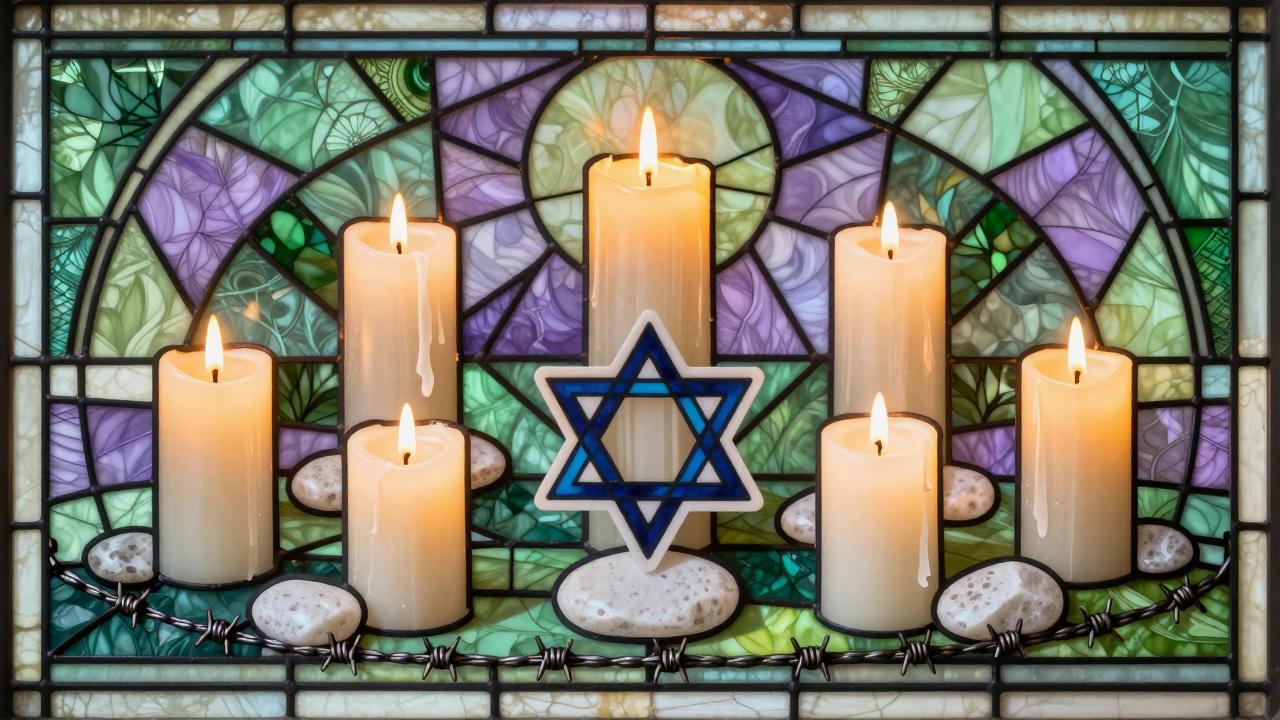
On this day, many participate in memorial services, light candles, and recite prayers to pay tribute to those who perished, as well as to those who survived and rebuilt their lives. Various events, including lectures, film screenings, and community gatherings, aim to foster understanding and remembrance. Yom HaShoah not only commemorates the victims but also encourages individuals to stand against injustice, making it a day not only of reflection but also of hope and commitment to a better future.
History
Yom HaShoah, also known as Holocaust Remembrance Day, is observed annually on May 3. The day serves as a solemn occasion for remembering the six million Jews who perished in the Holocaust, alongside the millions of other victims of Nazi persecution. The origins of Yom HaShoah can be traced back to the aftermath of World War II and the Holocaust, when there was a growing recognition of the need for a dedicated day of remembrance. In 1951, the Knesset of Israel officially designated the 27th of Nisan in the Hebrew calendar as Yom HaShoah, which corresponds to May 3 in the Gregorian calendar.
Over time, Yom HaShoah has evolved from initial observances that focused primarily on the Jewish community in Israel to a broader recognition of the Holocaust's impact worldwide. The observance has included memorial ceremonies, educational programs, and moments of silence observed at 10 a.m., where people stop to reflect on the tragedy. As the years have passed, Yom HaShoah has also become significant in fostering dialogue about tolerance, human rights, and the dangers of hatred and discrimination. Various countries beyond Israel have adopted their own memorial events, emphasizing the global importance of Holocaust education.
The cultural significance of Yom HaShoah lies not only in remembrance but also in the act of honoring the resilience of the Jewish people and the importance of preserving their history. Many communities host ceremonies that feature speeches from survivors, readings of names of victims, and the lighting of candles in memory of those lost. Additionally, educational initiatives have been established to ensure that future generations understand the lessons of the Holocaust, fostering a commitment to preventing such atrocities from occurring again.
As a day of reflection, Yom HaShoah encourages individuals to confront the past while promoting a shared commitment to fight against anti-Semitism and all forms of hate. Each year on May 3, communities around the world unite in remembrance, ensuring that the horrors of the Holocaust are not forgotten and that the stories of its victims live on.