Cross Day (El Salvador)
El Salvador
About
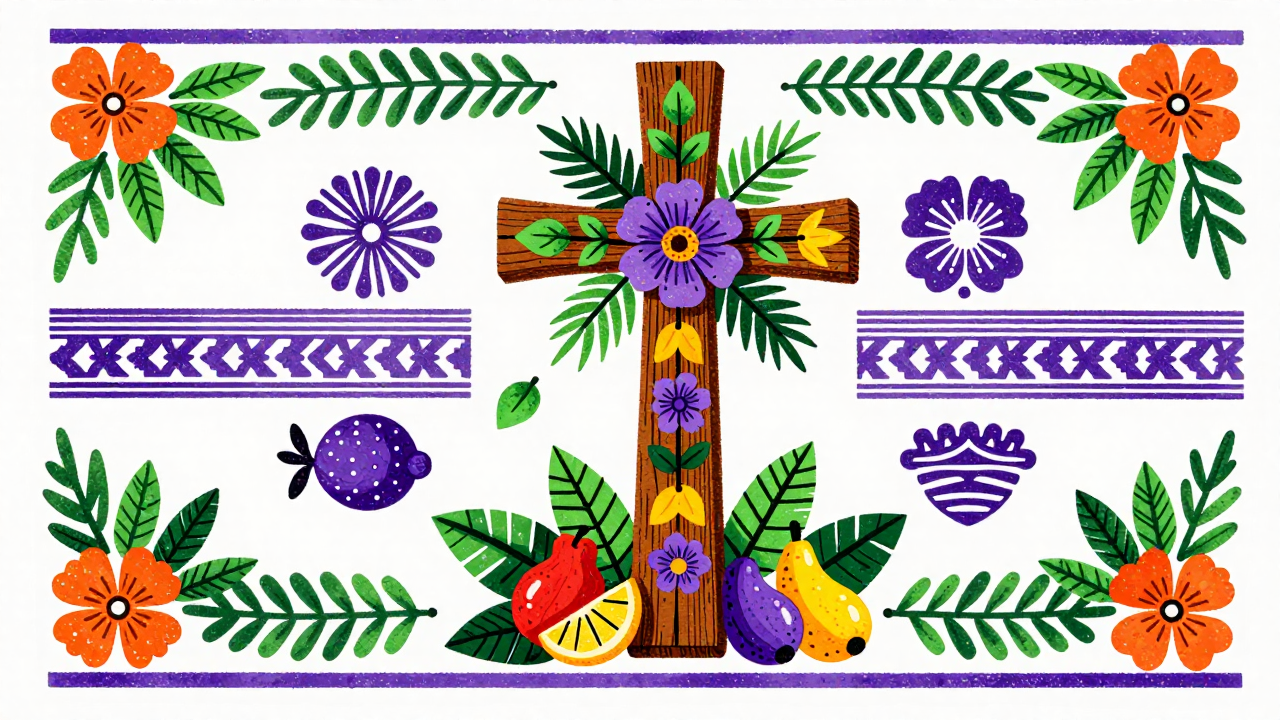
Cross Day, celebrated in El Salvador on May 3, is a vibrant and culturally rich observance that showcases the deep-rooted traditions and collective spirit of Salvadoran communities. This day is marked by the decoration of crosses, often made of wood or metal, which are adorned with colorful flowers, fruits, and other festive embellishments. Families and friends gather to create these beautiful displays, which are then placed in homes, gardens, or public spaces, symbolizing protection and blessings for the year ahead.
The origins of Cross Day can be traced back to a blend of indigenous and Catholic traditions, where the cross serves as a powerful symbol of faith, hope, and renewal. Throughout the day, lively celebrations ensue, featuring music, dancing, and delicious traditional foods. These communal festivities not only strengthen bonds among neighbors but also invite the spirit of togetherness and gratitude. As you immerse yourself in the joyful atmosphere of May 3, you’ll find that Cross Day is not just a celebration of faith, but also a heartfelt expression of culture and community in El Salvador.
History
Cross Day, known as "Día de la Cruz" in El Salvador, is celebrated annually on May 3. This vibrant observance has its roots in both indigenous traditions and the influence of Spanish colonization. The holiday is believed to have originated from pre-Columbian rituals where the cross symbolized the axis of the world, serving as a spiritual connection between the heavens, earth, and the underworld. With the arrival of Spanish missionaries in the 16th century, this indigenous practice evolved into a Christian celebration, incorporating the cross as a central symbol of Christianity.
Over the centuries, Cross Day has transformed into a day of communal celebration and cultural expression. Initially marked by the placement of wooden crosses adorned with flowers, fruits, and other offerings, the observance has grown to include various festivities that reflect the rich cultural tapestry of El Salvador. Villagers and urban dwellers alike create elaborate displays at homes and public spaces, showcasing not only artistic creativity but also a sense of community and shared heritage. Participants often engage in music, dancing, and traditional foods, making the celebration a lively and colorful affair.
Culturally, Cross Day holds significant meaning for Salvadorans, as it acts as a symbol of protection and blessings for homes and crops. Traditionally, it is believed that the more elaborate the cross decoration, the greater the blessings bestowed upon the household. This day also marks the beginning of the rainy season, which is crucial for agriculture in the region. As such, the festivities are intertwined with themes of fertility, growth, and gratitude, reinforcing the connection between the community and the land.
In contemporary times, while retaining its traditional elements, Cross Day has also become a platform for expressing national identity and community solidarity. It serves as a reminder of the resilience and enduring spirit of the Salvadoran people, blending indigenous and colonial heritages into a unique cultural celebration. Observed on May 3, Cross Day continues to be a cherished tradition, reflecting the history, beliefs, and vibrant culture of El Salvador.