World Seagrass Day
Australia, United States, United Kingdom, Canada, New Zealand, Philippines, Indonesia, Brazil, South Africa, India
About
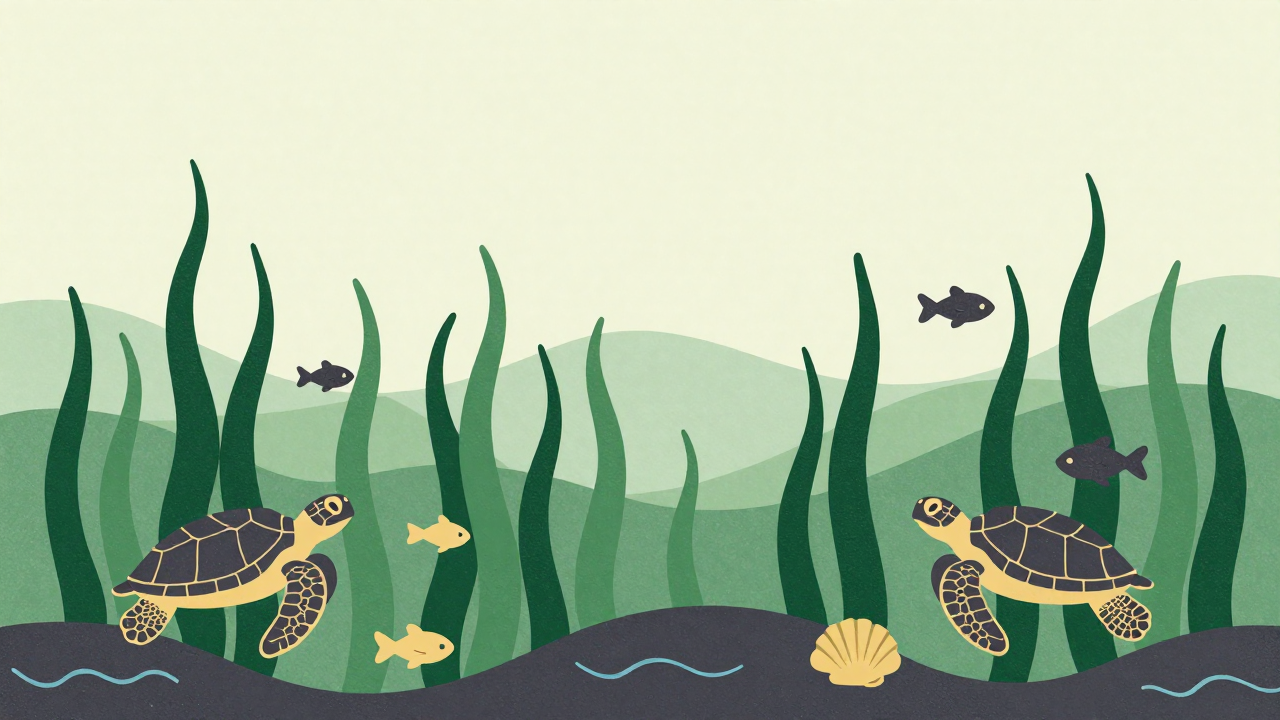
World Seagrass Day, observed on March 1, is a delightful occasion that shines a light on the often-overlooked underwater meadows that play a vital role in our planet's health. Seagrasses, which are flowering plants found in shallow coastal waters, provide essential habitats for a diverse range of marine life, from fish to sea turtles. They also contribute significantly to carbon sequestration and help maintain water quality, making them crucial allies in the fight against climate change. On this day, communities around the globe come together to celebrate and raise awareness about these incredible ecosystems.
As we commemorate World Seagrass Day, it's a wonderful opportunity to learn more about the importance of seagrass conservation and the threats these habitats face, such as pollution and climate change. Various events, educational programs, and beach clean-ups are organized to engage the public and encourage stewardship of our oceans. So, whether you're near the coast or far inland, take a moment on March 1 to appreciate the beauty and significance of seagrasses, and consider how you can contribute to their protection for future generations.
History
World Seagrass Day, observed annually on March 1, celebrates the vital role that seagrasses play in marine ecosystems and their importance to environmental health. The day was officially recognized by the United Nations in 2021, following a resolution introduced by the Oceanic and Coastal Ecosystems branch of the United Nations. This observance aims to raise awareness about the conservation of seagrass meadows, which are crucial habitats for numerous marine species, including fish and invertebrates, and serve as significant carbon sinks that help combat climate change.
The origins of World Seagrass Day can be traced back to growing concerns about the deterioration of marine environments and the urgent need to protect underwater ecosystems. Seagrasses have been known to provide numerous ecological benefits, such as improving water quality, stabilizing sediments, and supporting marine biodiversity. However, these vital plants face threats from pollution, coastal development, and climate change. In response to these challenges, various environmental organizations and researchers advocated for a dedicated day to highlight the importance of seagrasses and promote conservation efforts.
Over time, World Seagrass Day has evolved into a global movement, with various initiatives aimed at educating the public about the significance of seagrass meadows. Events and activities organized on March 1 include beach clean-ups, educational workshops, and community engagement programs that emphasize the need for sustainable practices that protect marine ecosystems. As awareness grows, more countries and communities are joining the efforts to safeguard these essential habitats, reflecting the day’s increasing cultural significance in environmental conservation.
The observance also serves as a reminder of the interconnectedness of human activities and marine health. By recognizing World Seagrass Day, individuals and organizations are encouraged to take actionable steps towards preserving these crucial ecosystems. As we celebrate this day every March 1, it underscores the urgent need for global cooperation and commitment to sustainable practices, ensuring that seagrasses continue to thrive for future generations.