Baba Marta
Bulgaria, North Macedonia, Serbia, Greece, Romania
About
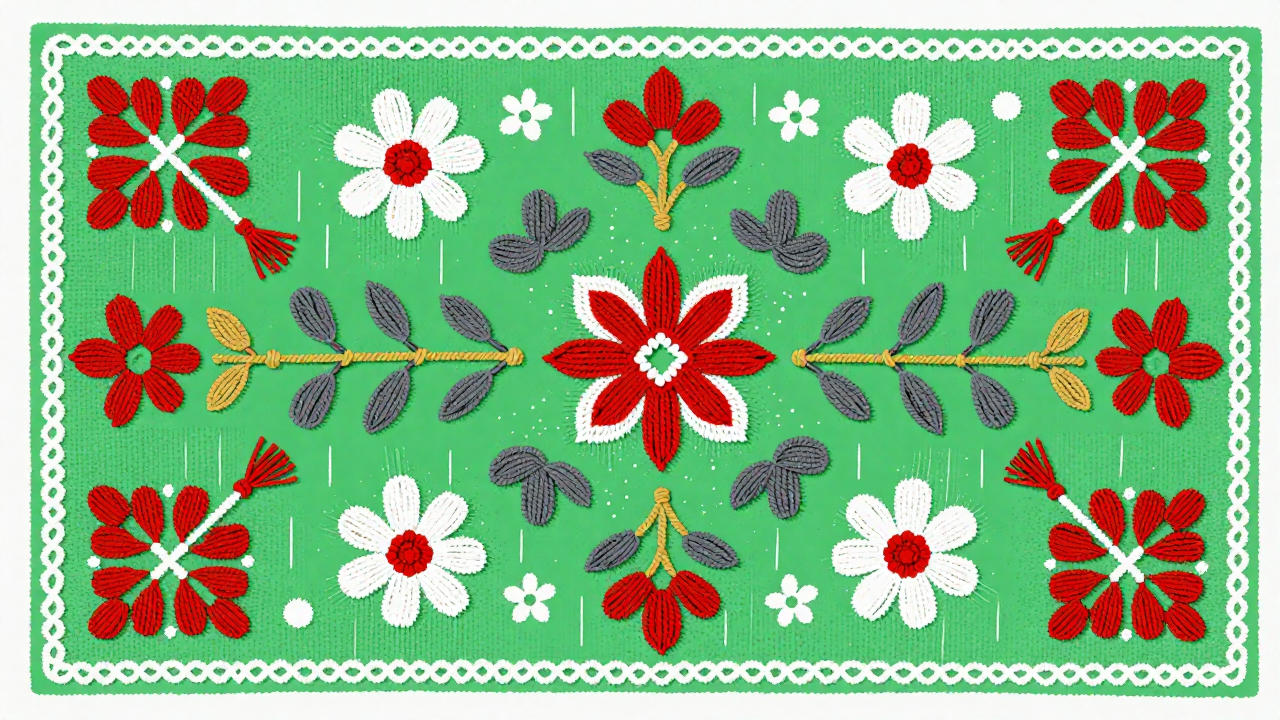
Baba Marta, celebrated on March 1, is a cherished Bulgarian tradition that welcomes the arrival of spring. The name "Baba Marta" translates to "Grandma March," symbolizing the playful and unpredictable nature of the month, as it often bounces between winter's chill and the warmth of spring. On this day, people exchange red and white yarn decorations known as "martenitsi," which are worn as a sign of good health and prosperity. The vibrant colors represent the duality of life—the red for health and vitality, and the white for purity and peace.
As families and friends come together to celebrate Baba Marta, they share stories of the past and express their hopes for the future. The tradition of wearing martenitsi is not only a way to embrace the changing season but also serves as a reminder of the importance of community and connection. By the end of the day, it’s customary to tie the martenitsi to a blossoming tree or a flowering plant, symbolizing the wish for a fruitful and abundant year ahead. Baba Marta is a beautiful celebration of renewal, joy, and the simple pleasures of life, making March 1 a day filled with warmth and hope for all.
History
Baba Marta, celebrated on March 1, is a vibrant and cherished holiday in Bulgaria that marks the arrival of spring. The name "Baba Marta" translates to "Grandma March," personifying March as an elderly woman who brings the change of seasons. The origins of this holiday are deeply rooted in ancient customs and rituals, where the arrival of spring was greeted with various celebrations intended to honor the earth's renewal and the end of winter's harshness. The holiday is thought to date back to pre-Christian times, with many of its customs linked to the agrarian lifestyle and the cyclical nature of life.
Over the centuries, Baba Marta has evolved into a significant cultural observance characterized by specific traditions and practices. One of the most well-known customs associated with this day is the exchange of Martenitsi, which are red and white yarn bracelets or decorations. These items symbolize health, happiness, and the arrival of spring. The Martenitsi are typically worn until one sees a stork or a blossoming tree, at which point they are removed and hung on a branch as a gesture of goodwill and gratitude towards nature. This practice emphasizes the connection between the people and their environment, highlighting the importance of seasonal changes.
Culturally, Baba Marta holds a special place in Bulgarian society. It is a time for families and friends to come together, share joy, and celebrate the renewal of life. The day is marked by various festivities, including folk dances, songs, and communal gatherings. The holiday also fosters a sense of community as individuals extend wishes for health and prosperity to one another, reinforcing social bonds. Through these traditions, Baba Marta serves as a reminder of the resilience of nature and the importance of hope and renewal in both personal and communal contexts.
As Baba Marta continues to be celebrated on March 1 each year, it remains a vital part of Bulgaria's cultural heritage. The observance not only reflects the country’s historical roots but also showcases the enduring spirit of its people, who embrace the arrival of spring with joy and optimism. The customs associated with Baba Marta have been passed down through generations, ensuring that this unique celebration endures as a meaningful expression of Bulgarian identity and communal solidarity.