Work Without Your Hands Day
United States
About
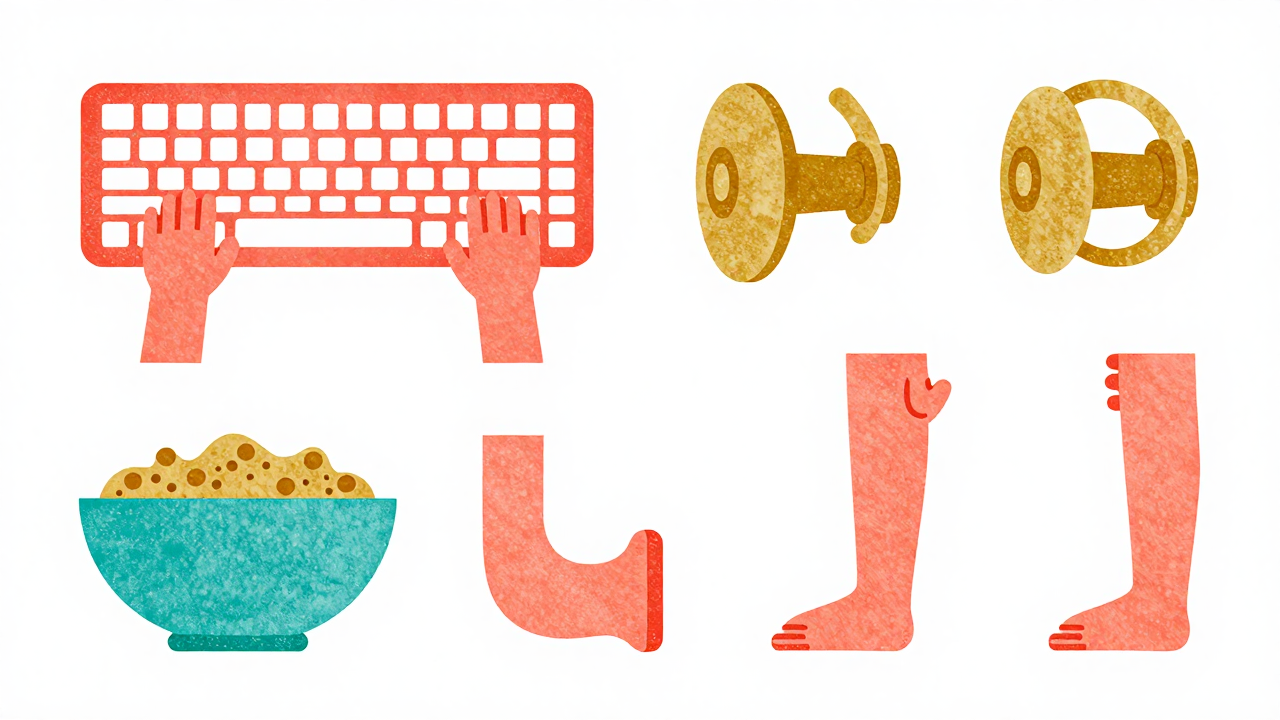
Work Without Your Hands Day, observed on July 5, invites us to pause and rethink the everyday ways we rely on our hands. From typing and cooking to opening doors and using tools, our hands make countless tasks possible. This lighthearted observance encourages people to imagine how challenging—and sometimes amusing—ordinary activities would be without them.
Whether you try eating a snack, brushing your teeth, or completing a simple household task using only your elbows, feet, or another creative approach, the day offers a playful opportunity to appreciate coordination, adaptability, and the abilities we often take for granted. Work Without Your Hands Day is also a cheerful reminder to be considerate of people who live with limited hand mobility and to celebrate the many ways humans find solutions to everyday challenges.
History
**Work Without Your Hands Day**, observed annually on **July 5**, is a lighthearted modern observance that challenges people to complete ordinary tasks without using their hands. Activities may include eating, opening objects, or handling everyday items through alternative methods. The day is generally presented as a playful exercise in creativity, coordination, and problem-solving rather than as a traditional religious or national holiday.
The observance appears to belong to the broader group of informal “national days” that gained popularity through online calendars and social media. Unlike long-established holidays with records of legislation, religious practice, or a clearly identified founder, Work Without Your Hands Day has limited publicly documented origin information. Available holiday references, including the account published by [National Today](https://nationaltoday.com/work-without-your-hands-day/), describe its purpose and activities but do not establish a definitive founding event or original organizer.
Over time, the idea has developed from a simple novelty challenge into an opportunity to think about how people adapt when a familiar ability or tool is unavailable. Participants may discover the importance of planning, patience, dexterity, and cooperation. The exercise can also prompt broader reflection on accessibility and the ingenuity used by people who live with limited hand mobility, although a brief recreational challenge cannot fully represent those experiences.
Culturally, the observance fits the tradition of unusual annual days designed to interrupt routine and encourage shared amusement. Held on **July 5**, immediately after the major United States holiday of Independence Day, it offers a low-stakes activity that can be used in homes, classrooms, workplaces, or social gatherings. Its lasting appeal comes less from a documented historical origin than from its invitation to approach familiar tasks in an unfamiliar way.