Algeria Independence Day
Algeria
About
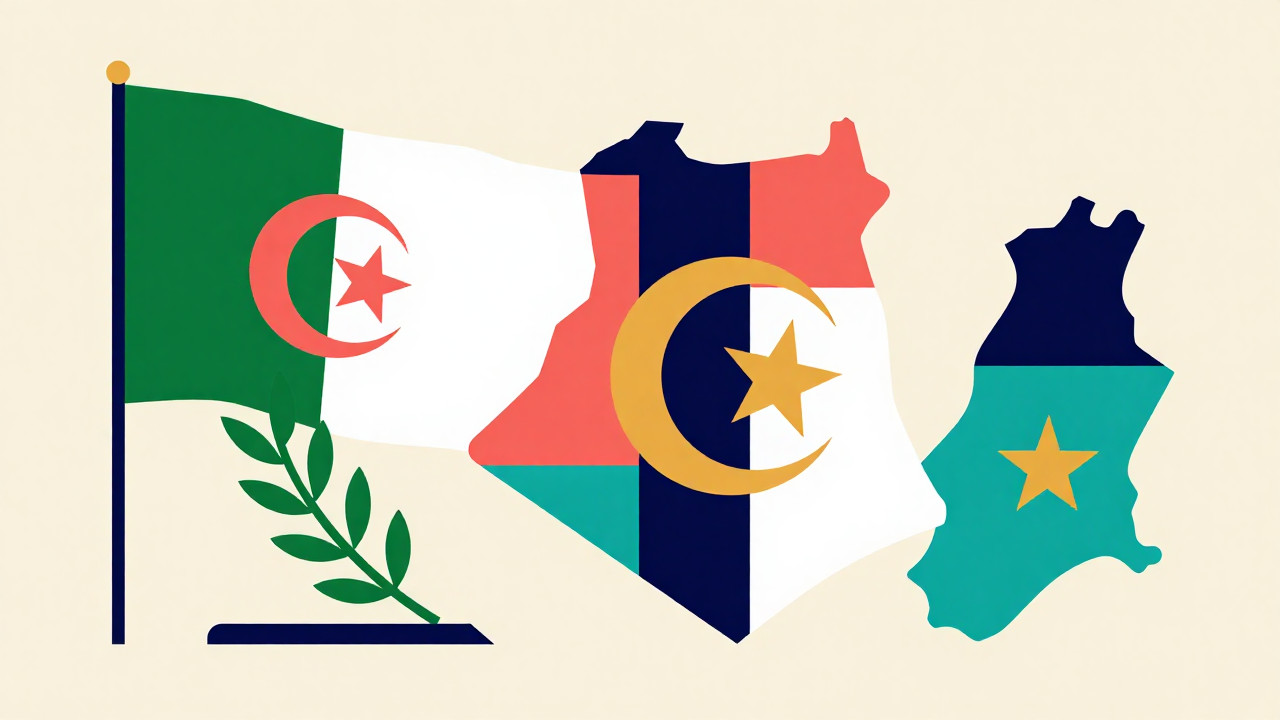
Algeria Independence Day, observed on **July 5**, commemorates Algeria’s independence from French colonial rule in 1962. The day marks a defining moment in the nation’s history, honoring the resilience, sacrifice, and determination of the Algerian people throughout their long struggle for self-determination.
Across Algeria and among Algerian communities worldwide, July 5 is a time for patriotic celebrations, remembrance, and reflection. People may enjoy parades, cultural events, music, traditional foods, and displays of the national flag while celebrating Algeria’s heritage and looking toward its future with pride.
History
Algeria Independence Day, observed annually on **July 5**, commemorates Algeria’s achievement of independence from French colonial rule in 1962. France began its conquest of Algeria in 1830, and the territory was subsequently incorporated into the French colonial system. Over more than a century, colonial policies produced profound political, economic, and social inequalities between European settlers and the indigenous Muslim population, while also contributing to the development of Algerian nationalist movements.
The modern struggle for independence began in earnest with the formation of the National Liberation Front (FLN) and the outbreak of the Algerian War on November 1, 1954. The conflict lasted nearly eight years and involved guerrilla warfare, military reprisals, political negotiations, and extensive civilian suffering. The Evian Accords of March 1962 established the framework for ending the war. In a referendum held on July 1, 1962, Algerian voters overwhelmingly supported independence, and **July 5, 1962**, became the date associated with the formal achievement and public celebration of national independence.
The choice of July 5 also carried historical symbolism: it marked the anniversary of the French capture of Algiers in 1830. Linking the date of independence to the beginning of colonial conquest gave the observance a powerful meaning, representing the reversal of foreign domination and the restoration of Algerian sovereignty. Independence Day therefore commemorates not only the end of the war but also the culmination of a much longer history of resistance, political organizing, and demands for self-determination.
Over time, Algeria Independence Day has remained one of the country’s most important national occasions. Official ceremonies, speeches, cultural programs, public gatherings, and displays of the national flag honor the people who fought and died during the independence struggle. The day also serves as an opportunity to reaffirm national unity and pass historical memory from one generation to the next, particularly through remembrance of the revolution and recognition of the sacrifices made during the path to independence. (Source: [National Today](https://nationaltoday.com/algeria-independence-day/))