What If Cats and Dogs Had Opposable Thumbs? Day
About
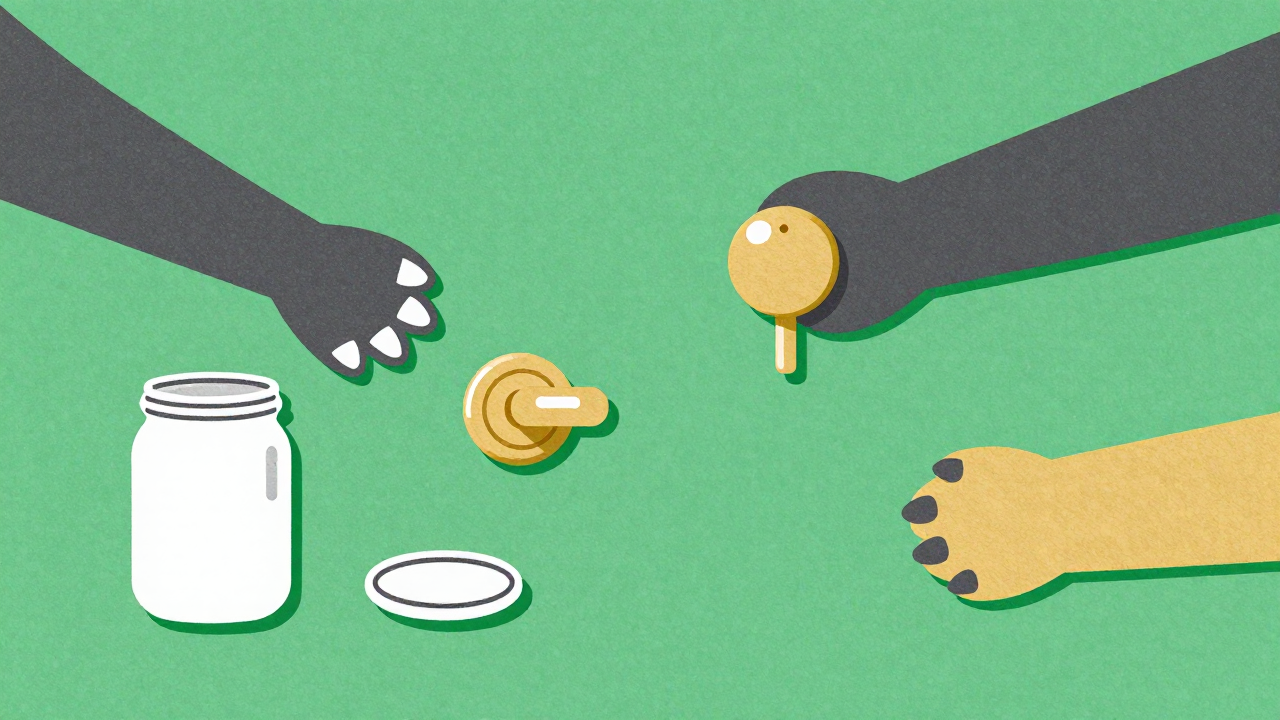
What If Cats and Dogs Had Opposable Thumbs? Day, celebrated on March 3, invites us to ponder an amusing and whimsical question: how would our furry friends behave if they possessed the dexterity of opposable thumbs? This lighthearted observance encourages pet owners and animal lovers alike to imagine the delightful chaos and creativity that could unfold if cats and dogs could open doors, operate gadgets, and perhaps even whip up their own meals!
On this day, take a moment to engage in playful conversations with fellow pet enthusiasts about the potential antics of our beloved companions. Would dogs be able to master the art of fetch by tossing the ball back? Would cats finally conquer that elusive string toy? What If Cats and Dogs Had Opposable Thumbs? Day is a wonderful opportunity to celebrate not only the intelligence and charm of our pets but also the joy they bring into our lives. So, gather your friends, share your funniest pet stories, or even dress your furry pals in creative costumes, and let your imaginations run wild!
History
What If Cats and Dogs Had Opposable Thumbs? Day is observed annually on March 3. This quirky holiday invites pet lovers and animal enthusiasts to explore the whimsical idea of what life would be like if our feline and canine companions possessed opposable thumbs. The notion that cats and dogs could manipulate objects and tools in a human-like manner sparks both humor and curiosity, prompting discussions about their intelligence and capabilities.
The origins of this observance are not well-documented, but it appears to have emerged in the early 2000s as part of a broader trend of whimsical holidays that celebrate the playful imagination of pet owners. The day serves as a playful reminder of the unique bond between humans and their pets, encouraging people to consider the potential changes in our daily lives if animals could perform tasks typically reserved for humans, such as opening doors, using utensils, or even texting. The holiday's lighthearted nature makes it popular among social media users, who often share memes and humorous content related to the concept.
Over time, What If Cats and Dogs Had Opposable Thumbs? Day has evolved into a cultural phenomenon that highlights the imaginative possibilities of human-animal interaction. It fosters a sense of community among pet lovers who engage in discussions about their pets' personalities and potential capabilities. Additionally, it serves as an opportunity for people to appreciate their pets in a new light, reflecting on the ways that animals enrich our lives, even without the ability to use thumbs.
The cultural significance of this observance lies in its ability to blend humor with a serious undertone about animal behavior and companionship. It encourages pet owners to think creatively about their animals, fostering a deeper understanding of their needs and behaviors. As participants share their thoughts and ideas on social media platforms, the day reinforces the notion that the human-animal bond is a source of joy, inspiration, and endless possibilities, even if our pets remain without opposable thumbs.