Bulgaria Liberation Day
Bulgaria
About
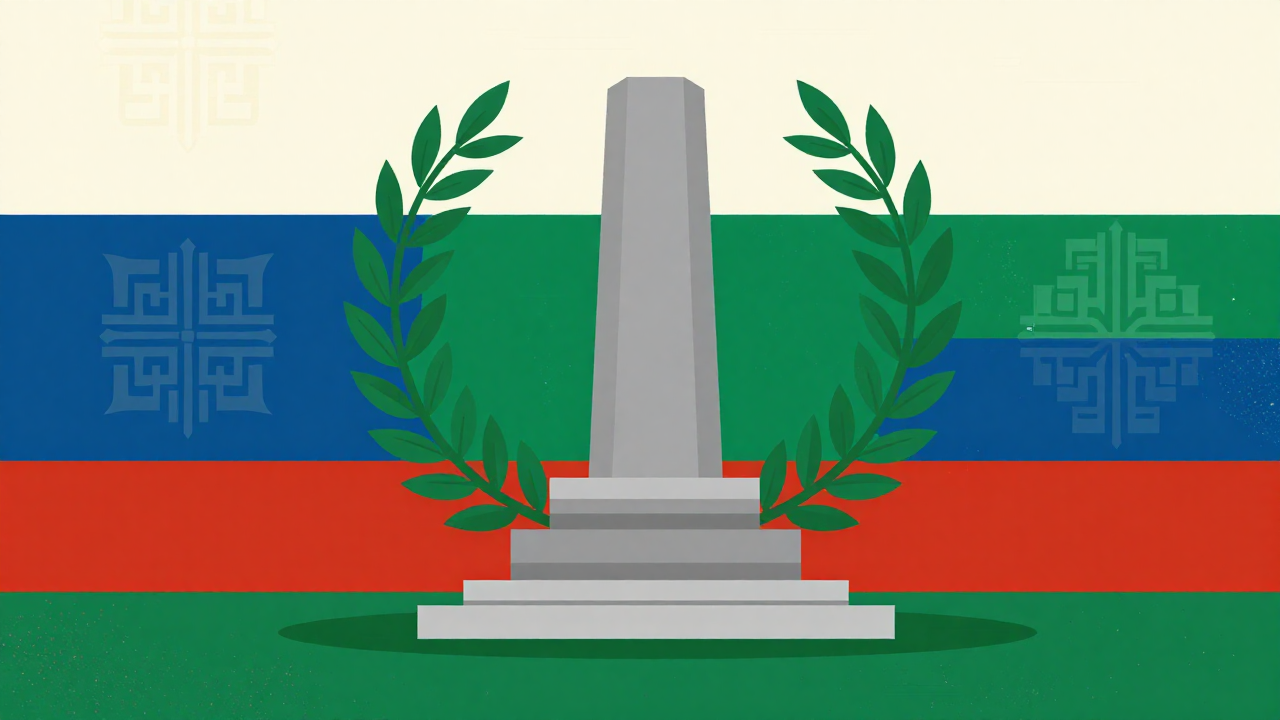
Bulgaria Liberation Day, celebrated annually on March 3, is a significant national holiday that commemorates the country’s liberation from Ottoman rule in 1878. This day marks the signing of the Treaty of San Stefano, which laid the groundwork for the modern Bulgarian state. As Bulgarians reflect on their rich history and cultural heritage, this occasion serves not only as a remembrance of the struggles faced by their ancestors but also as a celebration of national unity and pride.
On this special day, communities across Bulgaria come together with various festivities, including parades, concerts, and speeches that honor the heroes of the liberation movement. The air is filled with a sense of joy and gratitude as people engage in traditional songs, dances, and the displaying of the national flag. Bulgaria Liberation Day is a heartfelt reminder of the resilience and spirit of the Bulgarian people, fostering a deep appreciation for their freedom and the values of independence that continue to shape the nation today.
History
Bulgaria Liberation Day, observed on March 3, commemorates the day in 1878 when the Treaty of San Stefano was signed, marking the end of nearly five centuries of Ottoman rule over Bulgaria. This treaty aimed to establish a large Bulgarian state in the Balkans, although its provisions were later modified by the Great Powers at the Congress of Berlin later that same year. The initial signing of the treaty was a pivotal moment in Bulgarian history, as it ignited nationalistic sentiments and aspirations for independence that had been simmering for decades.
The origins of Bulgaria Liberation Day can be traced back to the struggles of the Bulgarian people against Ottoman oppression, which included various uprisings and cultural revival movements. The April Uprising of 1876, although ultimately suppressed, drew significant international attention and sympathy for the Bulgarian cause. The eventual intervention by Russia in the Russo-Turkish War (1877-1878) played a crucial role in liberating Bulgaria, and the signing of the Treaty of San Stefano was a direct result of these efforts. As such, March 3 became a symbol of liberation and national pride.
Over the years, Bulgaria Liberation Day has evolved into a national holiday that not only celebrates the historical event but also serves as a reminder of the sacrifices made by those who fought for freedom. The day is marked by various ceremonies and events throughout the country, including military parades, speeches by officials, and cultural performances that highlight Bulgaria's rich heritage. It is an occasion for citizens to reflect on their national identity and the importance of unity in the face of adversity.
Culturally, Bulgaria Liberation Day holds significant importance as it fosters a sense of national solidarity and pride. It serves as a day of remembrance for those who contributed to Bulgaria's liberation and the establishment of a sovereign state. This observance also emphasizes the values of freedom, justice, and democracy, which are fundamental to the Bulgarian national consciousness. The day is often celebrated with traditional music, dances, and the display of the national flag, reinforcing the collective memory of Bulgaria's path to independence.