Venezuela Independence Day
Venezuela
About
Venezuela Independence Day, observed on July 5, commemorates the nation’s declaration of independence from Spanish rule in 1811. The historic decision marked a defining moment in Venezuela’s struggle for self-determination and helped shape the country’s path toward becoming a sovereign republic.
Across Venezuela, July 5 is honored with patriotic ceremonies, music, cultural events, and displays of the national flag. It is also a time for people to reflect on the courage, perseverance, and shared ideals that contributed to the country’s independence while celebrating Venezuela’s rich heritage and national identity.
History
Venezuela Independence Day, observed on **July 5**, commemorates the declaration of independence from Spanish rule in 1811. The movement emerged from the political crisis caused by Napoleon’s invasion of Spain and the removal of King Ferdinand VII. In Caracas, local leaders established a governing junta on April 19, 1810, claiming to act in the king’s name while challenging colonial authority. Over the following year, debate intensified over whether Venezuela should remain loyal to Spain or become fully independent.
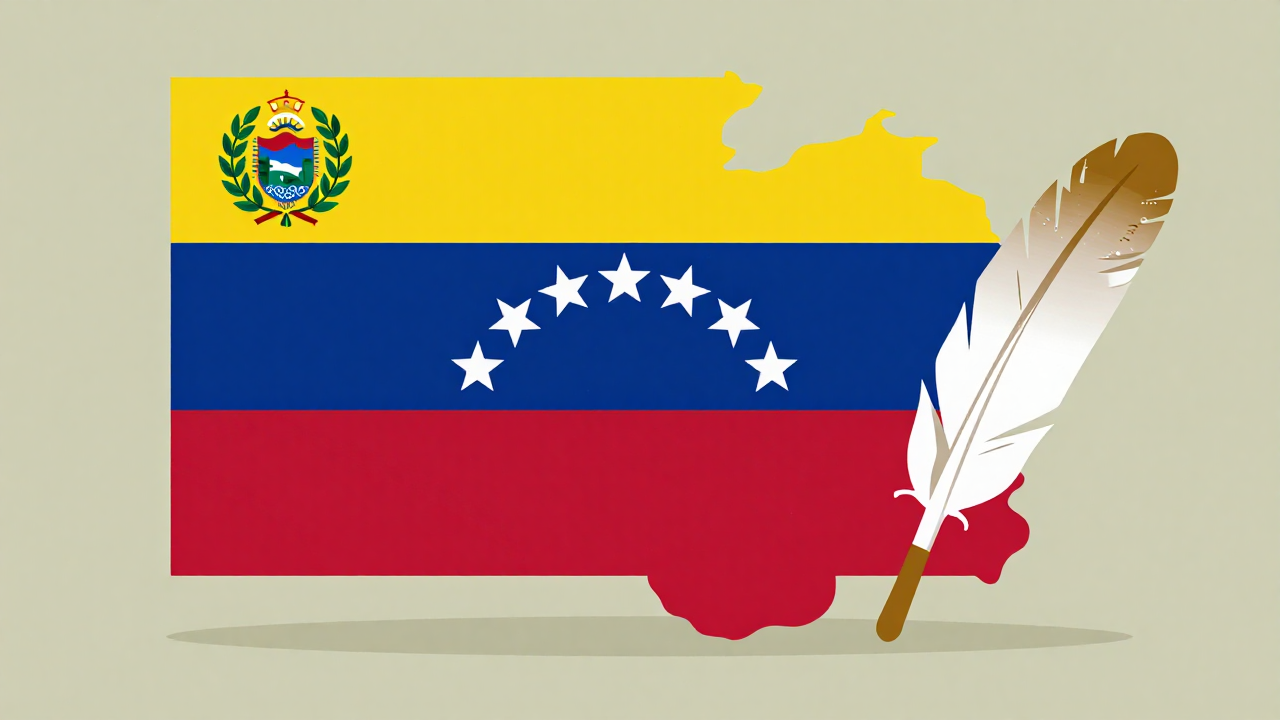
On July 5, 1811, representatives of several Venezuelan provinces meeting in the Congress of Venezuela voted to sever political ties with the Spanish monarchy. The declaration was formally presented on July 5 and signed by representatives over the days that followed. It created the first Venezuelan republic and made Venezuela one of the earliest Spanish American territories to declare independence. Juan Germán Roscio and Francisco de Miranda were among the important figures associated with the independence movement, while the tricolor flag designed by Miranda became a lasting national symbol.
The declaration did not immediately end the war. The new republic faced internal divisions, military setbacks, and continued Spanish resistance, and the First Republic collapsed in 1812. Independence was eventually secured through the broader campaigns led by Simón Bolívar and other patriot commanders. The victory at the Battle of Carabobo in 1821 was decisive in liberating much of Venezuela, although fighting continued in some areas until the royalist stronghold of Puerto Cabello fell in 1823. Thus, July 5 commemorates the political act that launched independence, while the military struggle unfolded over many additional years.
Today, Venezuela Independence Day carries both historical and cultural significance. It is marked by official ceremonies, civic speeches, flag displays, military events, and educational programs recalling the actions of the 1811 congress and the long struggle that followed. The observance also honors ideals associated with national sovereignty, republican government, and civic identity. Over time, July 5 has remained a central date in Venezuela’s national calendar, linking the country’s present-day institutions and traditions to the declaration made in Caracas in 1811.