Venezuela Carnival
Venezuela
About
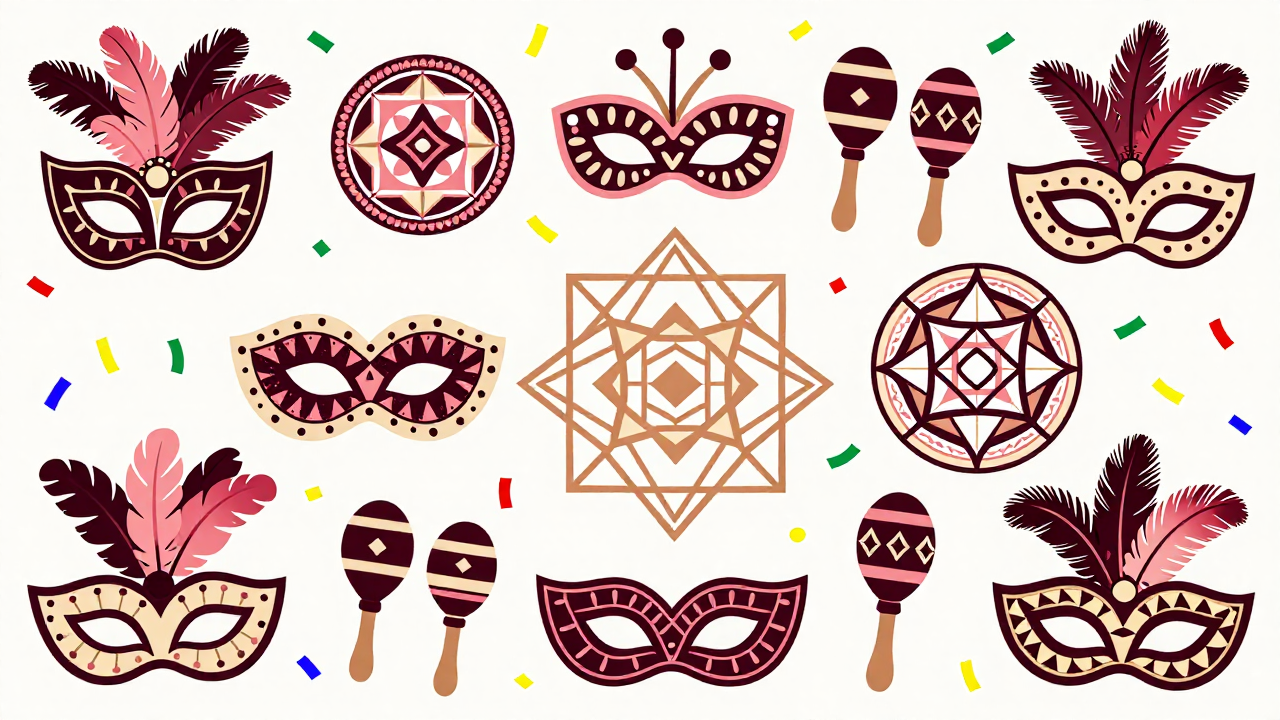
Venezuela Carnival, celebrated on February 8, is a vibrant and colorful festival that marks the beginning of Lent. This lively event is a time for revelry, where communities come together to enjoy parades, music, dancing, and traditional foods. Carnival in Venezuela is a unique blend of indigenous, African, and European influences, reflecting the rich cultural tapestry of the nation. As the streets come alive with joyous celebrations, locals and visitors alike partake in the excitement, adorned in extravagant costumes and masks that showcase the spirit of the occasion.
The festival offers a chance for people to let loose before the solemnity of Lent begins. Families, friends, and neighbors gather to enjoy the festivities, which often include lively street parties, elaborate floats, and traditional dances like the joropo. Delicious treats such as arepas, empanadas, and a variety of sweets fill the air with tempting aromas, making it a feast for the senses. Venezuela Carnival is not just a holiday; it’s a heartfelt expression of community and culture, welcoming everyone to join in the celebration on this special day each year.
History
Venezuela Carnival, celebrated on February 8, is a vibrant festivity that has its roots in both European tradition and local culture. The origins of Carnival can be traced back to the Roman Catholic tradition of celebrating the last days before Lent, a period marked by fasting and reflection. As Spanish colonizers brought their customs to Venezuela in the 16th century, the Carnival began to take shape as a time for revelry, music, and dance, allowing people to indulge in rich foods and joyous celebrations before the solemnity of Lent commenced.
Over the centuries, Venezuela Carnival evolved into a distinct cultural manifestation, incorporating elements of indigenous and African heritage along with the European influences. By the 19th century, Carnival had become a major public celebration across the country, characterized by parades, colorful costumes, and lively music. Cities such as Caracas, Maracaibo, and Valencia became known for their elaborate festivities, with local traditions adding unique flavors to the celebrations. The incorporation of folklore and regional customs, such as the "Diablos Danzantes" (Dancing Devils) in the town of Yare, exemplifies how Carnival has adapted to reflect the diverse cultural influences that exist within Venezuela.
The cultural significance of Venezuela Carnival extends beyond mere entertainment; it serves as an expression of national identity and communal unity. It is a time for families and communities to come together, celebrating their heritage through traditional music, dance, and culinary delights. The festival fosters a sense of belonging and pride, as participants don elaborate costumes and engage in lively street parties filled with laughter and joy. Furthermore, Carnival is seen as a platform for artistic expression, with many local artists and musicians showcasing their talents during the festivities.
In contemporary Venezuela, Carnival continues to be a vital part of the cultural landscape. While the essential elements of the celebration remain intact, the festival has adapted to modern times, incorporating contemporary music genres and innovative artistic performances. As Carnival is celebrated on February 8, it invites both locals and tourists to partake in the rich tapestry of Venezuelan culture, affirming its place as a cherished observance that honors the country’s history and diversity.