Carnival Monday
United Kingdom, Trinidad and Tobago, Jamaica, Barbados, Saint Lucia
About
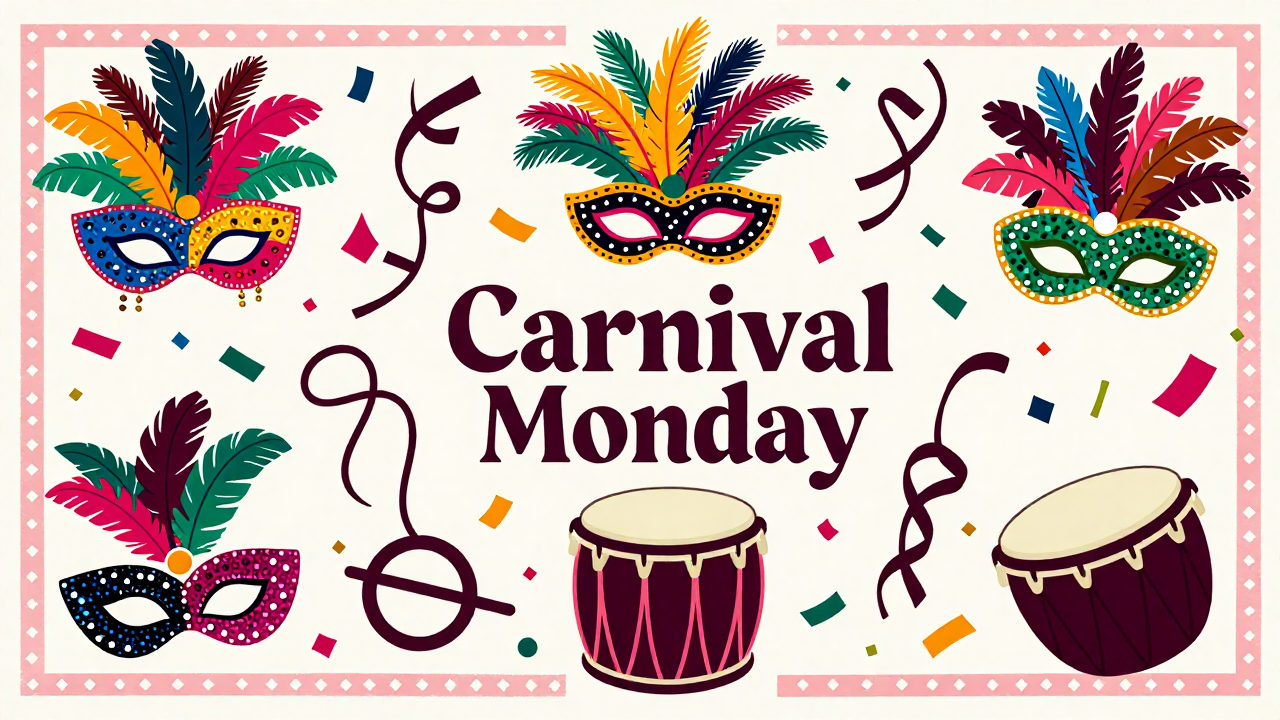
Carnival Monday, celebrated on February 8, is a vibrant and lively observance that marks the beginning of Carnival festivities in many cultures around the world. This day is often associated with grand parades, colorful costumes, and joyful music, inviting people to indulge in the spirit of celebration before the solemnity of Lent begins. It’s a time for communities to come together, embracing the joy of life through dance, feasting, and various artistic expressions, all steeped in rich cultural traditions.
As Carnival Monday unfolds, revelers can be seen participating in lively street parties, showcasing their creativity through elaborate costumes and engaging in spirited performances. The atmosphere is electric, filled with laughter and the sounds of drums and brass instruments that echo through the streets. Whether you’re partaking in local traditions or simply enjoying the festivities from afar, this day serves as a beautiful reminder of unity, joy, and the importance of celebrating life’s moments together. So mark your calendars for February 8 and get ready to immerse yourself in the exuberance of Carnival Monday!
History
Carnival Monday, observed on February 8, is a vibrant celebration that marks the beginning of Carnival week in many cultures, particularly in regions with strong Catholic influences. The origins of Carnival can be traced back to ancient pagan festivals that celebrated the arrival of spring and fertility. However, the modern incarnation of Carnival has developed over centuries, particularly as a pre-Lenten festival in Christian communities. The day before Ash Wednesday, which marks the start of Lent, has become a time for feasting and merriment, providing an opportunity to indulge before the period of fasting and reflection.
As Carnival evolved, it absorbed various cultural influences, leading to unique traditions across different regions. In places like Trinidad and Tobago, Carnival Monday is characterized by vibrant parades, elaborate costumes, and lively music, reflecting the rich tapestry of African, European, and indigenous cultures. The festivities often include calypso music and steelpan bands, which have become synonymous with Caribbean Carnival celebrations. In other parts of the world, such as Italy and Brazil, similar festivities occur, showcasing localized customs and traditions that highlight the universal themes of joy and community.
Culturally, Carnival Monday serves as a vital expression of identity and heritage for many communities. It provides a platform for artistic expression through music, dance, and visual art, allowing participants to celebrate their cultural roots while fostering a sense of community. The day is not only a time for revelry but also an occasion to reflect on social issues and bring awareness to local concerns, as seen in some of the thematic costumes and performances during parades. The celebration also highlights the resilience of communities that have historically faced challenges, using the festivities as a means of cultural preservation and continuity.
In summary, Carnival Monday on February 8 is more than just a day of fun and festivities; it encapsulates centuries of history, cultural evolution, and community spirit. As this observance continues to thrive, it remains an essential part of the cultural calendar in many parts of the world, inviting people of all backgrounds to partake in its rich traditions and joyous celebrations.