Vaisakhi / Baisakhi / Vishu
India, Canada, United Kingdom, United States, Australia, Malaysia
About
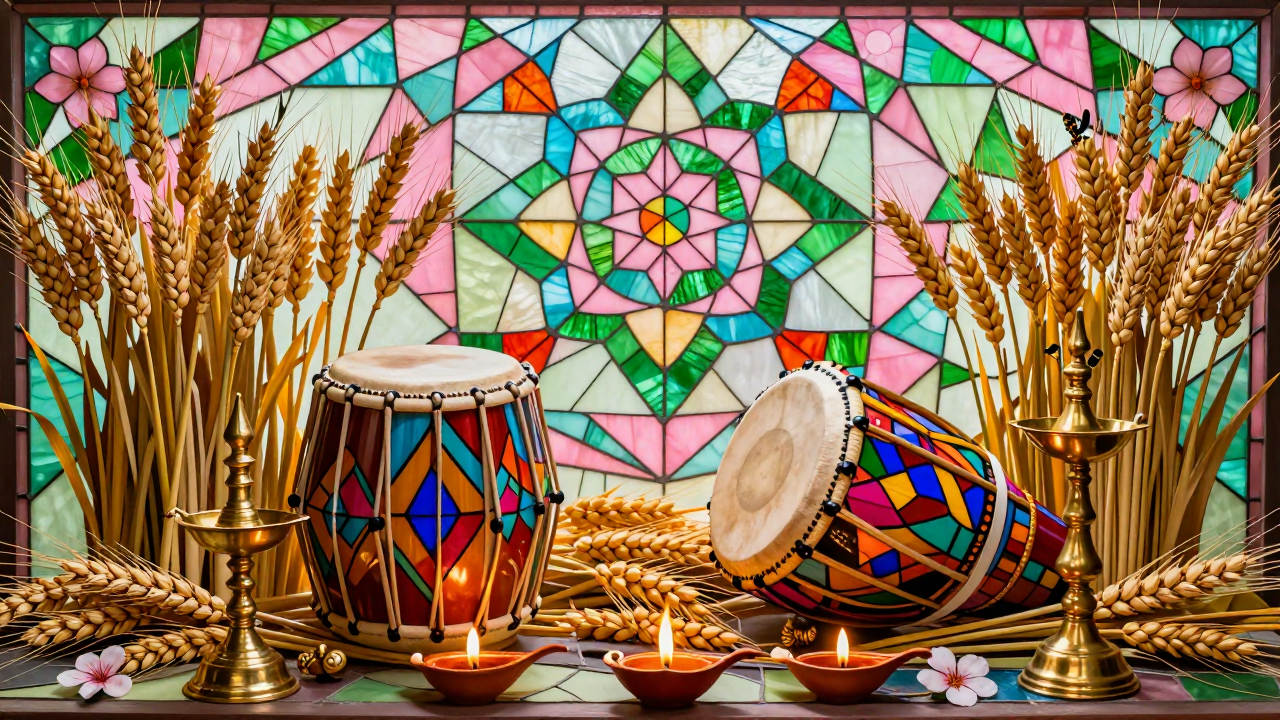
Vaisakhi, also known as Baisakhi or Vishu, is a vibrant and joyous celebration observed on April 14 each year. This significant festival marks the onset of the harvest season in Punjab, India, and holds a special place in the hearts of many people. It is a time of gratitude as farmers celebrate the bountiful harvest of crops like wheat, which symbolizes prosperity and abundance. The festive atmosphere is filled with colorful processions, lively music, and traditional dance forms like Bhangra and Gidda, inviting everyone to join in the merriment.
In addition to its agricultural roots, Vaisakhi holds religious significance for Sikhs, as it commemorates the formation of the Khalsa in 1699 by Guru Gobind Singh Ji. This momentous occasion emphasizes values such as equality, community, and devotion, fostering a spirit of unity among people. Similarly, in the southern state of Kerala, Vishu is celebrated as the New Year festival, marked by the sight of the Vishukani—a beautiful arrangement of fruits, flowers, and a mirror that brings blessings for the year ahead. Regardless of the regional variations, Vaisakhi/Baisakhi/Vishu is a time for families to come together, share delicious feasts, and embrace the joy of new beginnings, making it a cherished observance for many.
History
Vaisakhi, also known as Baisakhi or Vishu, is celebrated on April 14 each year and holds profound significance in various cultural and religious contexts across India. The festival marks the traditional New Year for many communities, notably among Sikhs and Hindus, and is rooted in agrarian practices, symbolizing the onset of the harvest season. For Sikhs, Vaisakhi is particularly significant as it commemorates the formation of the Khalsa in 1699 by Guru Gobind Singh, the tenth Sikh Guru, which was a pivotal moment in Sikh history that emphasized equality, community, and faith.
The origins of Vaisakhi can be traced back to ancient agrarian festivals, where it was primarily celebrated as a spring harvest festival. Farmers would express gratitude for the bountiful harvest and pray for a prosperous year ahead. Over time, the festival evolved into a cultural and religious observance that encompasses various rituals, including processions, singing, and dancing. The event became increasingly important for the Sikh community in the late 17th century when it was transformed into a religious occasion, marking the establishment of a distinct Sikh identity.
Culturally, Vaisakhi represents a celebration of life, fertility, and the richness of nature. It serves as a time for family reunions, communal meals, and vibrant festivities. In Punjab, where the festival is most prominently celebrated, people partake in traditional dances such as Bhangra and Gidda, which highlight the joy and exuberance associated with the harvest. In Kerala, Vishu is celebrated with the sighting of the Vishukkani, a ceremonial arrangement of auspicious items, marking the new year with reflections on prosperity and good fortune.
Over the years, Vaisakhi has transcended its agrarian roots to become an integral part of the cultural fabric of India, embraced by various communities beyond its original context. It stands as a reminder of the importance of community, agriculture, and spirituality in a rapidly modernizing world. Observed on April 14, Vaisakhi/Baisakhi/Vishu continues to be a vibrant expression of cultural identity and collective joy, fostering unity and a sense of belonging among those who celebrate it.