Americas Day
United States
About
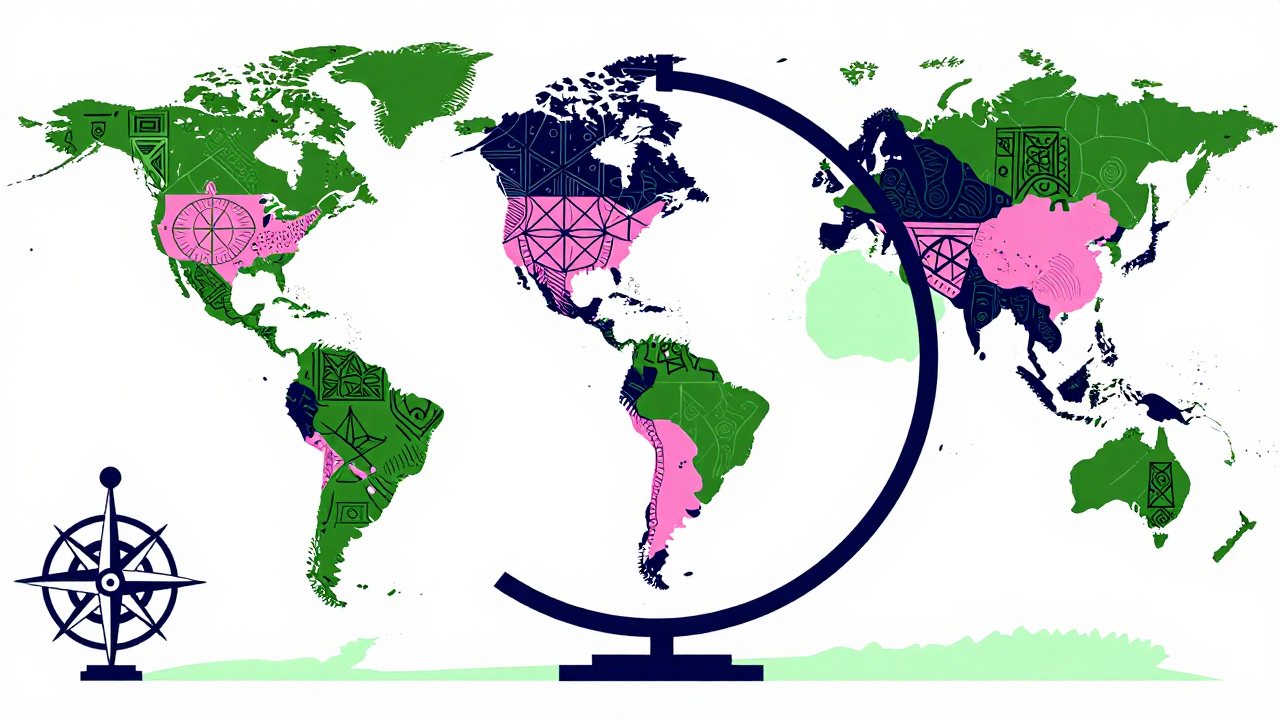
Americas Day, celebrated on April 14, is a vibrant observance that honors the rich tapestry of cultures and histories that make up the American continent. This day serves as a reminder of the diverse nations and communities that share the land from the northern reaches of Canada to the southern tip of Argentina. It invites everyone to reflect on the unique contributions of each country, highlighting the interconnectedness and shared heritage that unite the people of the Americas.
On this special day, individuals and communities come together to celebrate their traditions, cuisine, and artistic expressions. Festivals, parades, and cultural events take place across the continent, showcasing the incredible variety of music, dance, and art that characterize the Americas. Whether through local gatherings or larger celebrations, Americas Day encourages people to embrace their roots, learn about their neighbors, and foster a spirit of unity and appreciation for the continent's diverse legacy. So, mark your calendars for April 14 and join in the festivities that honor the vibrant culture and history of the Americas!
History
Americas Day, observed on April 14, is a celebration that honors the diverse cultures, histories, and contributions of the countries in the Americas. The observance has its roots in the broader appreciation of the American continent, which encompasses North, Central, and South America, as well as the Caribbean. The day serves as a reminder of the shared heritage and interconnectedness of the nations within this vast region, fostering a sense of unity and pride among its peoples.
The origins of Americas Day can be traced back to various movements in the 20th century that sought to promote inter-American solidarity and cooperation. In the aftermath of World War II, there was a growing recognition of the importance of collaboration among American nations, leading to initiatives aimed at strengthening diplomatic and cultural ties. Various organizations and governments began to emphasize the unique identities and shared values of the Americas, culminating in the establishment of a day dedicated to celebrating these connections. While the exact origins of the day are somewhat nebulous, it gradually gained traction as a significant observance within several countries, particularly in the Americas.
Over time, Americas Day has evolved to encompass a broader range of activities and events that highlight the rich tapestry of cultures across the continent. Festivities often include cultural exhibitions, music and dance performances, food festivals, and educational programs that showcase the unique traditions of different nations. This evolution reflects a growing awareness of the need to embrace diversity while also acknowledging the historical struggles and achievements of the peoples of the Americas. As societies become increasingly interconnected, the observance has also served as a platform for discussions on social issues, environmental challenges, and political cooperation, reinforcing the idea that collaboration is essential for the future of the region.
Culturally, Americas Day has significant importance as it encourages individuals to explore and celebrate the myriad influences that have shaped the continent. From indigenous traditions to the impacts of colonization and migration, the day serves as an opportunity to reflect on the complex narratives that define the Americas. It fosters a sense of belonging and identity among the diverse populations, recognizing the contributions of various communities to the larger fabric of society. As communities come together to celebrate their heritage, Americas Day promotes mutual respect and understanding, essential components for building a harmonious future in an increasingly globalized world.