Uruguay Carnival
Uruguay
About
Uruguay Carnival, celebrated on February 8, is a vibrant and lively festival that showcases the rich cultural heritage of Uruguay. This annual event marks the beginning of a week-long celebration filled with parades, music, dance, and colorful costumes. Rooted in the traditions of African, Indigenous, and European influences, the carnival is a joyous expression of the country's diverse history and artistic spirit. Revelers take to the streets, transforming the city into a kaleidoscope of color and sound, inviting everyone to join in the festivities.
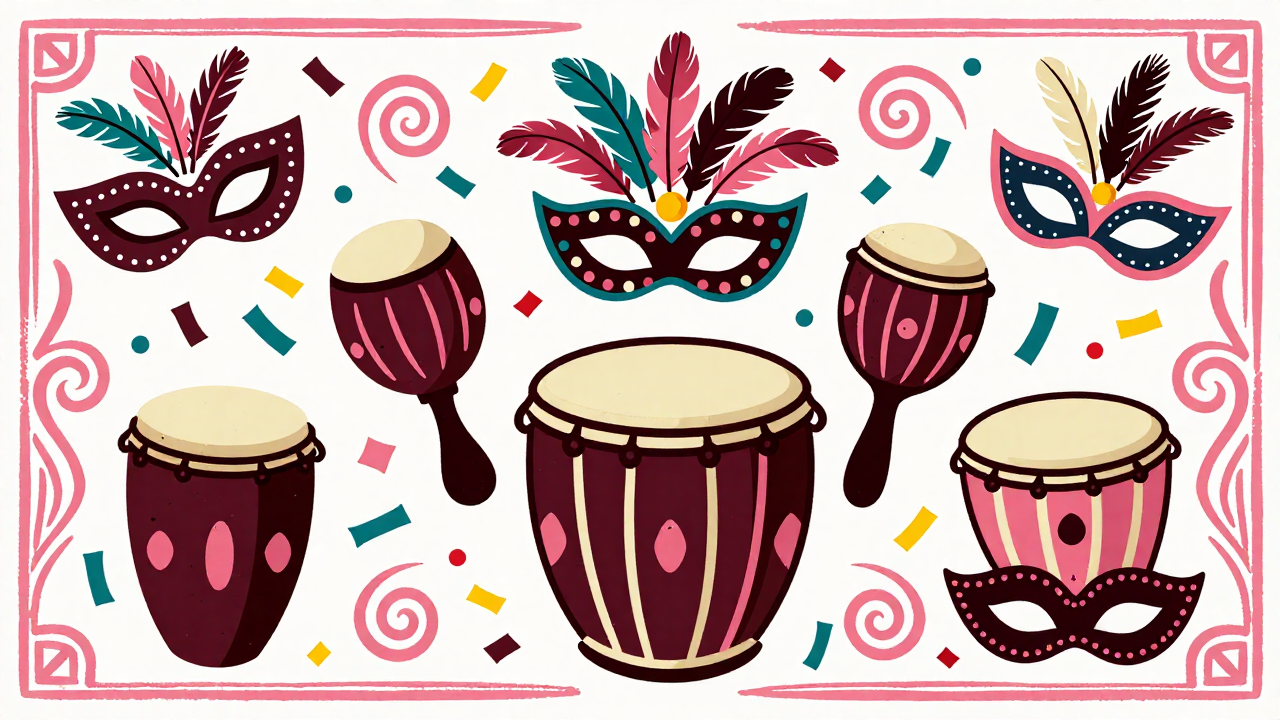
At the heart of Uruguay Carnival are the captivating performances known as "murgas," where groups of performers sing satirical songs that comment on social and political issues. These performances, along with the energetic candombe drumming, create an infectious atmosphere that encourages participation and celebration. Families, friends, and visitors come together to enjoy the festivities, sharing laughter, music, and the delicious flavors of traditional Uruguayan food. Observing Uruguay Carnival on February 8 is not just about the spectacle; it is also a time to unite in joy, reflect on cultural identities, and celebrate the spirit of community that binds the people of Uruguay together.
History
Uruguay Carnival, celebrated on February 8, has its roots deeply embedded in the rich tapestry of Uruguayan culture and history. The origins of the carnival can be traced back to the 18th century, influenced by both European traditions and the African heritage that permeates the region. Initially, the event was a means of social celebration and expression, allowing people to engage in festivities before the solemnity of Lent. European settlers brought their carnival customs, and these blended with the local customs of Indigenous peoples and Afro-Uruguayans, setting the stage for the vibrant celebration that Uruguay Carnival is today.
Over the years, Uruguay Carnival has evolved into a unique spectacle characterized by its elaborate parades, colorful costumes, and lively music. The introduction of Candombe, a musical genre with African roots, played a pivotal role in shaping the carnival's identity. The Candombe performances, featuring drummers and dancers, became integral to the celebrations, highlighting the contributions of Afro-Uruguayans to the country's cultural landscape. The 20th century saw the carnival gain official recognition, with the government supporting its organization and promotion, leading to the establishment of various competitions and events that further enriched the carnival experience.
Culturally, Uruguay Carnival serves as a powerful expression of national identity and unity. It fosters a sense of belonging among Uruguayans, bringing together diverse communities to celebrate their shared heritage. The event not only showcases the artistic talents of locals through music, dance, and performance but also acts as a platform for social commentary and political expression. As carnival groups, known as "murgas," often use satire and humor to address social issues, the festivities transcend mere entertainment, reflecting the voices and concerns of the community.
As Uruguay Carnival is observed on February 8, the celebrations typically culminate in one of the largest and most vibrant parades, drawing thousands of spectators both locally and internationally. The event has become a significant tourist attraction, contributing to the economy while simultaneously preserving and promoting Uruguay's cultural heritage. Today, the carnival stands as a testament to the country's rich history and the enduring spirit of its people, making it a cherished annual observance that resonates with both pride and joy.