Tynwald Day
Isle of Man
About
Tynwald Day, observed on July 5, is the Isle of Man’s national day and a celebration of the island’s distinctive parliamentary heritage. Tynwald, often described as one of the world’s oldest continuous parliamentary institutions, brings together centuries of tradition, public ceremony, and civic life.
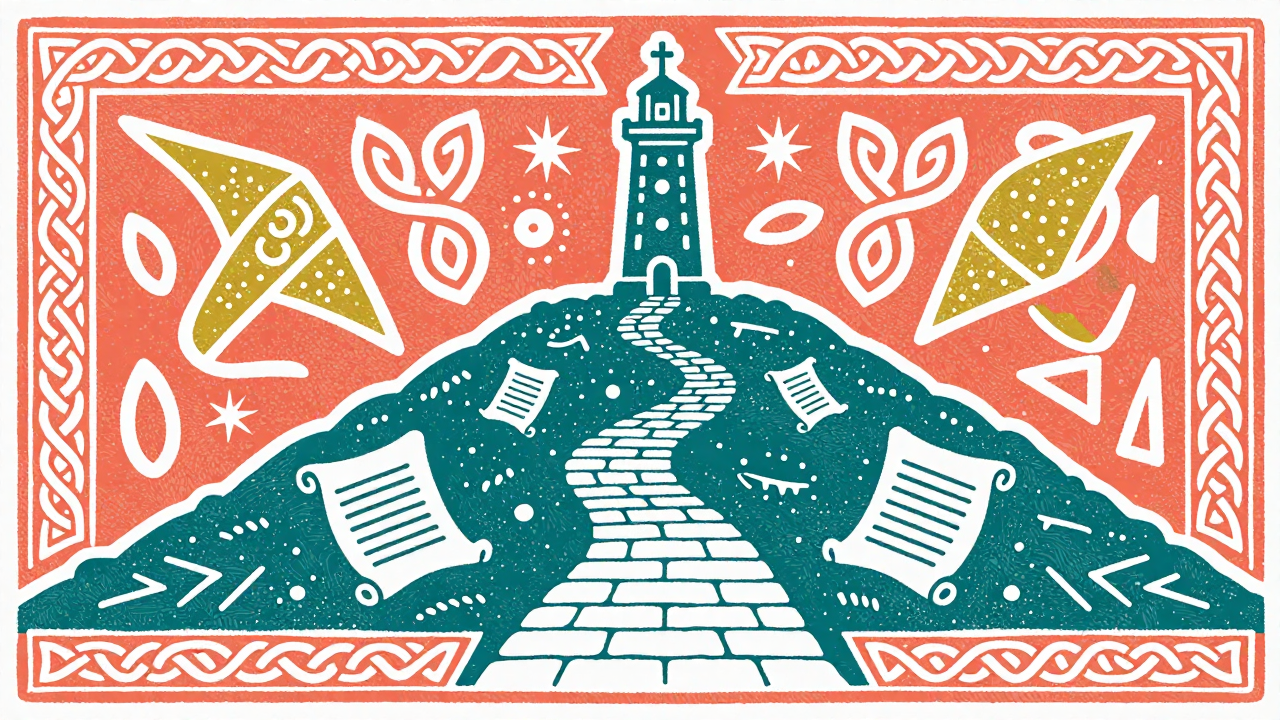
The central events take place at Tynwald Hill in St John’s, where laws are formally promulgated in both Manx and English. The occasion also features religious services, processions, music, and cultural activities, creating a welcoming atmosphere for residents and visitors alike. Tynwald Day is a proud reflection of the Isle of Man’s history, identity, and enduring democratic traditions.
History
Tynwald Day is the annual national day of the Isle of Man, observed on **July 5**. Its roots lie in the island’s Norse heritage and in the development of Tynwald, the Manx parliament. The name is related to the Old Norse *þingvǫllr*, meaning “assembly field” or “meeting place.” Manx tradition traces the institution’s beginnings to the Viking Age, when local leaders gathered to make laws and settle disputes. Although the precise origins are difficult to document, Tynwald is widely regarded as one of the world’s oldest continuous parliamentary institutions.
The central ceremony takes place at Tynwald Hill in the village of St John’s. Historically, the hill served as the setting where laws were publicly proclaimed so that the community could hear them. Written evidence for the ceremony is especially associated with the late medieval period, but the public reading of legislation reflects much older traditions of oral law and communal government. Tynwald Day became formally connected with July 5 in the modern calendar, preserving a fixed annual occasion for the island’s legislature and people to mark their political heritage.
Over time, the observance evolved from a primarily governmental assembly into a major civic and cultural celebration. During the ceremony, members of the Manx parliament—known as the Keys and the Legislative Council—take part in the formal proceedings, while newly enacted laws are promulgated to the public. Petitions may also be presented, continuing the historic principle that the community should have a recognized opportunity to bring concerns before its leaders. Religious elements, ceremonial processions, and the participation of public officials and dignitaries add to the occasion’s formal character.
Tynwald Day is significant because it expresses the Isle of Man’s distinctive identity, constitutional traditions, and connection to its Norse and Celtic past. Manx language, music, dress, and symbols are often represented alongside the official proceedings, turning the event into both a parliamentary ceremony and a celebration of national culture. Observed on **July 5**, it provides a visible link between the island’s medieval institutions and its modern self-governing society.