Tsagaan Sar
Mongolia, China, Russia
About
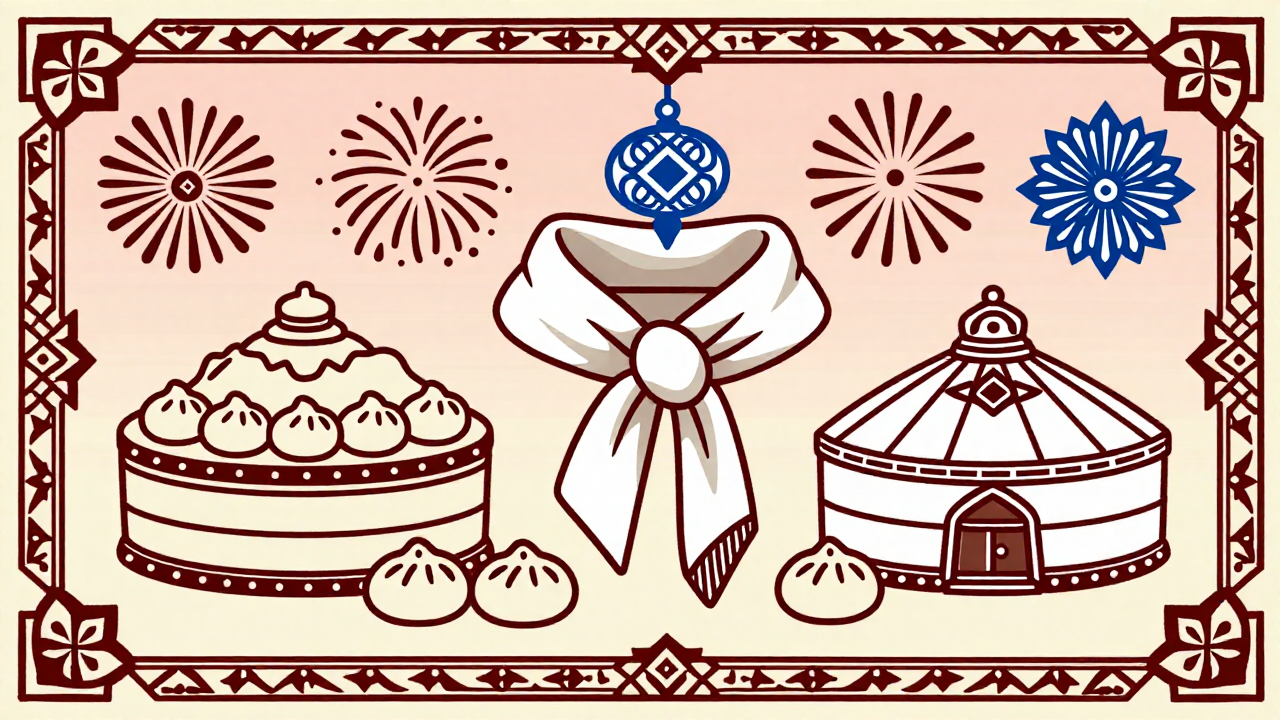
Tsagaan Sar, or the White Moon, is a cherished celebration marking the Mongolian Lunar New Year, observed on February 7. This vibrant holiday signifies the arrival of spring and the renewal of life, embodying the spirit of hope and rejuvenation. Families come together to honor their ancestors, share blessings, and partake in the joyful festivities that symbolize unity and gratitude.
As part of the traditions, homes are meticulously cleaned and adorned, symbolizing a fresh start as families prepare for the festivities. Special meals are prepared, featuring traditional dishes like buuz (steamed dumplings) and an array of dairy products, which play a central role in the celebrations. The day is filled with visiting relatives and friends, exchanging well-wishes, and enjoying the warmth of community. Tsagaan Sar is not just a time for feasting; it is a heartfelt reminder of the importance of family ties and cultural heritage, making it a truly special occasion for everyone involved.
History
Tsagaan Sar, also known as the White Moon, is a significant cultural celebration in Mongolia, marking the Lunar New Year. This holiday falls on February 7 in 2024, following the lunar calendar, and signifies the arrival of spring, a time of renewal and hope. The origins of Tsagaan Sar can be traced back to ancient Mongolian nomadic traditions, where it was celebrated to honor the end of winter and the rebirth of nature. The festival initially involved rituals aimed at ensuring prosperity and good fortune in the coming year, reflecting the deep connection between the Mongolian people and their environment.
Over time, Tsagaan Sar has evolved to incorporate various customs and practices that highlight both its historical roots and contemporary significance. Traditionally, families prepare a feast featuring symbolic foods, such as lamb, dairy products, and rice, which represent wealth and abundance. The holiday has also become a time for family reunions, where members gather to pay respects to their ancestors, reinforcing family bonds and cultural heritage. This aspect of the observance underscores the importance of community and the transmission of values across generations.
Culturally, Tsagaan Sar holds profound significance as it embodies the themes of renewal, forgiveness, and gratitude. The festival begins with the first sighting of the new moon, symbolizing a fresh start. Mongolian families clean and decorate their homes in preparation for the holiday, signifying the cleansing of old energies and welcoming new blessings. Additionally, the exchange of gifts and greetings among friends and relatives fosters social cohesion, making Tsagaan Sar not just a personal celebration but a communal one that strengthens societal ties.
In recent decades, Tsagaan Sar has adapted to modern influences while retaining its core traditions. As urbanization has increased, celebrations have diversified, with some urban families opting for public festivities alongside traditional family gatherings. Nevertheless, the essence of Tsagaan Sar remains intact, serving as a vital link to Mongolia's rich cultural identity. Observed on February 7, Tsagaan Sar continues to be a cherished occasion that reflects the resilience and enduring spirit of the Mongolian people as they welcome the new year with hope and joy.