Fastelavn
Denmark, Norway, Sweden, Faroe Islands
About
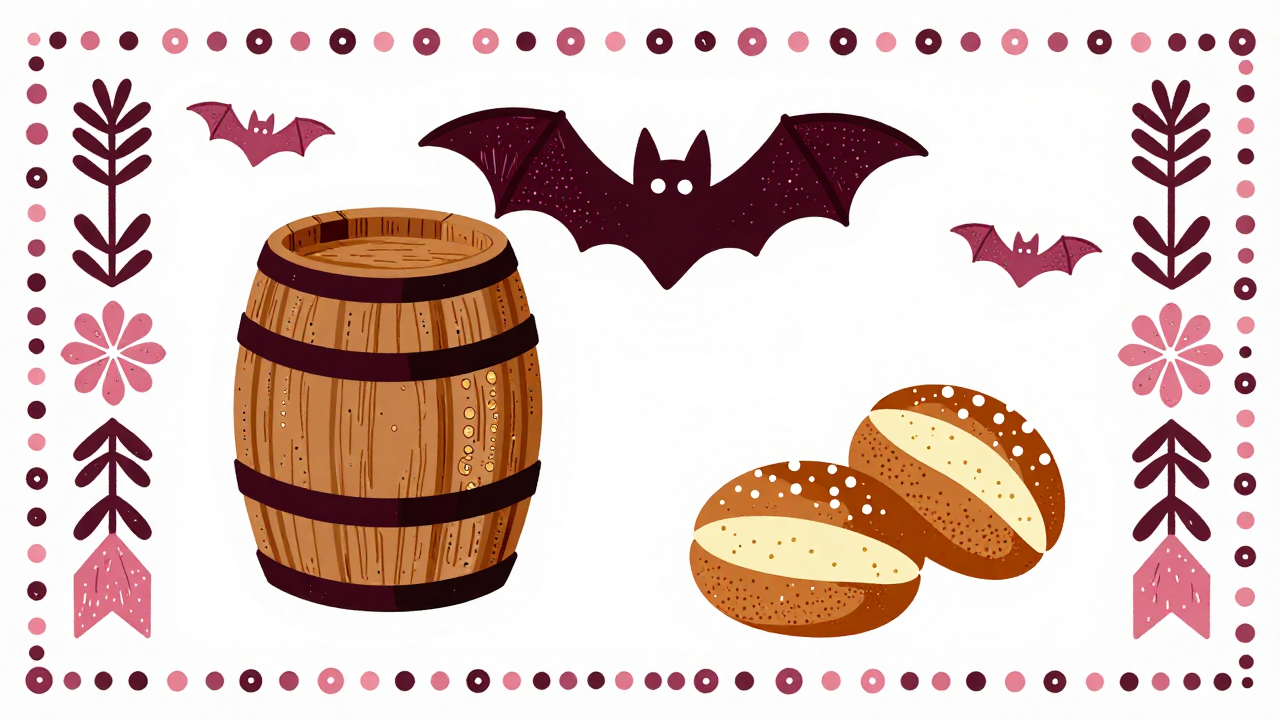
Fastelavn, celebrated on February 7, is a charming and festive occasion primarily observed in Denmark and Norway, marking the end of winter and the approaching season of Lent. This joyful event is steeped in traditions that date back to the medieval period, creating a vibrant tapestry of customs that bring communities together. Families and friends gather to enjoy delicious treats, with the beloved "fastelavnsboller," a sweet bun typically filled with cream or jam, taking center stage. The day is also marked by colorful costumes and lively festivities, inviting both young and old to participate in the joyous atmosphere.
One of the most delightful aspects of Fastelavn is the traditional game of "slå katten af tønden," which translates to "hit the cat out of the barrel." This playful activity involves striking a decorated barrel filled with candy and treats, symbolizing the end of winter and the arrival of spring. As participants take turns swinging at the barrel, the excitement builds until it bursts open, showering everyone with goodies. Fastelavn is not only a time for fun and laughter but also serves as a reminder of community spirit, as people come together to celebrate the changing seasons and enjoy each other’s company. So, on February 7, embrace the joy of Fastelavn and partake in the festivities that have warmed hearts for generations!
History
Fastelavn, celebrated on February 7, is a traditional festival primarily observed in Denmark and Norway, marking the beginning of Lent in the Christian calendar. The name "Fastelavn" is derived from the Middle Dutch term "vastelavent," which translates to "fast evening," indicating its role as a pre-Lenten festivity. Historically, it was a time when people would indulge in rich foods and festivities before the fasting period of Lent commenced. The celebration's origins can be traced back to pagan customs, where it was initially linked to the arrival of spring and the end of winter, often signifying a time for feasting and merriment.
As Fastelavn evolved over the centuries, it became intertwined with Christian practices. By the 14th century, the festival was firmly established in the Christian calendar, where it was observed as a time for families to gather and celebrate before the solemnity of Lent. Traditional activities associated with Fastelavn include costume parties, where children dress up in various outfits, and a popular game called "slå katten af tønden," which translates to "hit the cat out of the barrel." This game involves participants striking a barrel filled with treats until it breaks open, symbolizing the casting away of winter and bad luck.
Culturally, Fastelavn holds significant importance in Scandinavian societies. The festivities serve as a vibrant expression of community and family bonding, with children eagerly anticipating the chance to wear costumes and participate in games. The day is also marked by the consumption of special treats, notably "fastelavnsboller," which are sweet buns filled with cream or jam, reflecting the indulgent nature of the celebration before the fasting period begins.
In contemporary times, Fastelavn remains a cherished holiday, celebrated with enthusiasm across Denmark and Norway, where it fosters a sense of cultural identity and continuity. The observance not only reflects the historical transition from pagan rituals to Christian customs but also highlights the importance of community and joy in the face of seasonal change. As February 7 approaches each year, families and communities come together, reinforcing the festive spirit that has characterized Fastelavn for centuries.