Treaty of Guadalupe Hidalgo
United States, Mexico
About
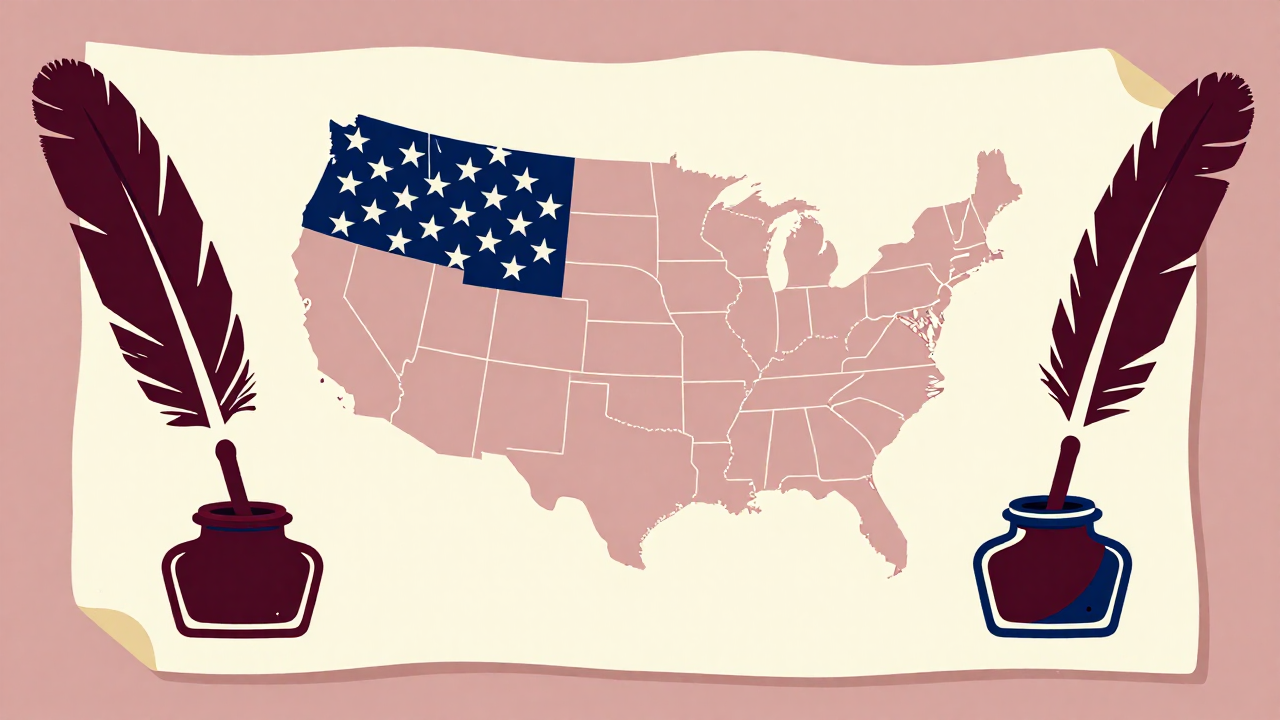
On February 2, we commemorate the Treaty of Guadalupe Hidalgo, a significant agreement that forever shaped the landscape of North America. Signed in 1848, this treaty marked the end of the Mexican-American War and established a new boundary between the United States and Mexico. Through this historic document, the U.S. acquired vast territories, including present-day California, Arizona, New Mexico, Nevada, Utah, and parts of Colorado and Wyoming. As we reflect on this day, we celebrate not just the geopolitical changes, but also the blending of cultures and the complex history that continues to influence our societies today.
Observing the Treaty of Guadalupe Hidalgo is an opportunity to honor the diverse heritage that emerged from this pivotal moment. It invites us to explore the stories of those who lived through this transition and to recognize the importance of understanding our shared history. By engaging in discussions, educational activities, or community events, we can foster a greater appreciation for the cultural legacies that have shaped our nation. Let us embrace this day, February 2, as a reminder of the rich tapestry that defines our collective identity and the importance of dialogue and unity in our diverse world.
History
The Treaty of Guadalupe Hidalgo, signed on February 2, 1848, marked a pivotal moment in the history of both the United States and Mexico. This treaty was the result of the Mexican-American War, which had begun in 1846 due to territorial disputes following the U.S. annexation of Texas. The conflict was fueled by the United States' desire to expand its territory, a belief rooted in the concept of Manifest Destiny, which held that Americans were destined to expand across the continent. The war concluded with a decisive victory for the United States, leading to negotiations that resulted in the signing of the treaty.
The Treaty of Guadalupe Hidalgo had significant implications, as it resulted in Mexico ceding a vast portion of its northern territories to the United States. This included present-day California, Arizona, New Mexico, Nevada, Utah, and parts of Colorado and Wyoming. The treaty not only redefined the borders of both nations but also laid the groundwork for future U.S. expansion and development in the West. The treaty also included provisions to protect the civil rights of Mexican citizens who remained in the newly acquired territories, although many of these rights were not upheld in subsequent years, leading to ongoing tensions and issues of identity in the region.
Over time, the observance of the Treaty of Guadalupe Hidalgo on February 2 has evolved from a formal recognition of the treaty's signing into a day that reflects on the complex historical relationship between the United States and Mexico. It serves as a reminder of the consequences of the war and the treaty, which continue to influence cultural, social, and political dynamics to this day. Communities, particularly those with Mexican heritage, often use this day to celebrate their history, culture, and contributions to American society while also reflecting on the historical injustices that emerged from the treaty's aftermath.
Culturally, February 2 is significant as it encourages dialogue about the issues of land rights, identity, and the historical context of U.S.-Mexico relations. It is a day for community gatherings, educational programs, and discussions aimed at fostering understanding and reconciliation. As the United States continues to grapple with its past, the Treaty of Guadalupe Hidalgo stands as a crucial chapter that invites reflection on the themes of sovereignty, migration, and multiculturalism in a nation shaped by diverse histories.