Candlemas Day
France, Germany, Italy, Spain, Switzerland, Belgium, Austria, Mexico, Philippines
About
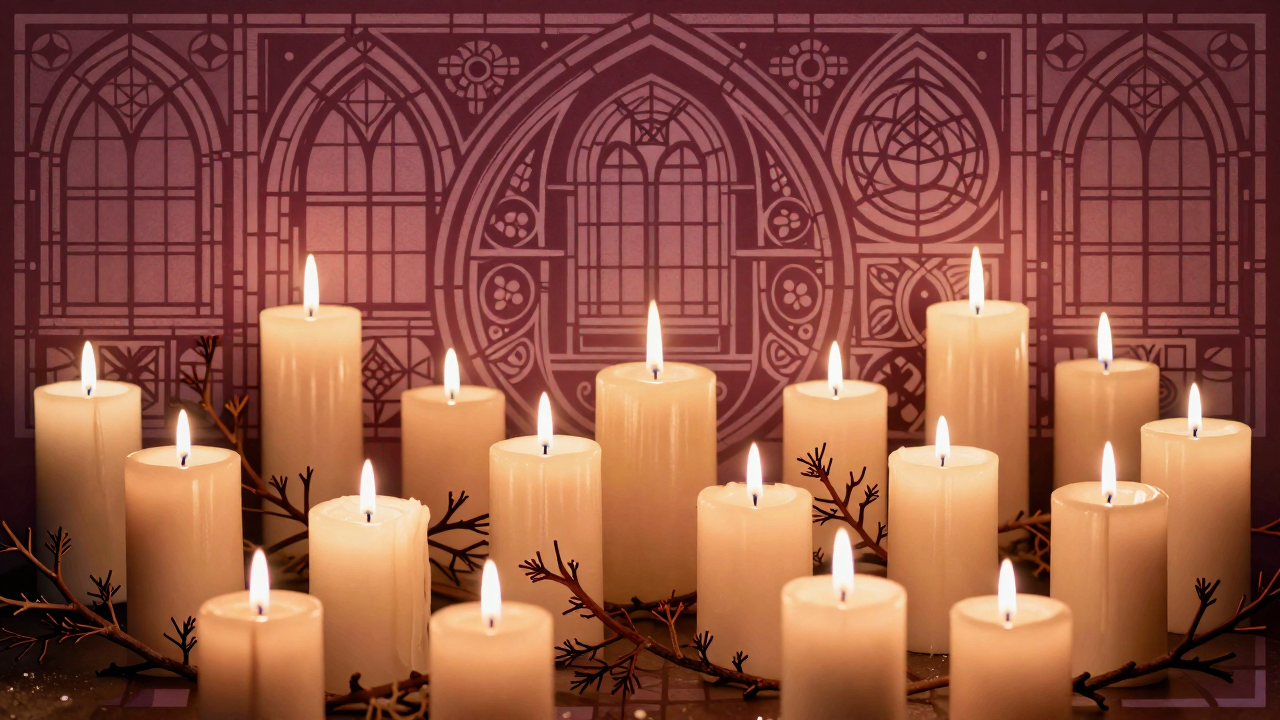
Candlemas Day, celebrated on February 2, is a delightful observance that marks the midpoint between the winter solstice and the spring equinox. Traditionally, this day honors the presentation of Jesus at the Temple and the purification of Mary, and it is often associated with the blessing of candles, symbolizing light and hope during the dark winter months. Many cultures celebrate this day with various customs, including processions and feasts, all centered around the idea of bringing light into the world.
As people gather to light candles and share stories, Candlemas Day invites a sense of community and warmth. It serves as a reminder to cherish the light in our lives, both literally and metaphorically. Whether it's through the soft glow of a candle or the warmth of togetherness with family and friends, this beautiful observance encourages us to reflect on the light we can bring to those around us. So, on February 2, take a moment to light a candle, share a smile, and embrace the spirit of hope that Candlemas Day embodies.
History
Candlemas Day, observed on February 2, has its origins rooted in the Christian tradition, specifically commemorating the presentation of Jesus at the Temple. This event is described in the Gospel of Luke, where Mary and Joseph bring the infant Jesus to the Temple in Jerusalem to present him to God, fulfilling the Jewish law. The observance of this day as Candlemas can be traced back to the 4th century in Jerusalem, where it began as a feast celebrating the purification of Mary and the presentation of Jesus. The term "Candlemas" itself derives from the practice of blessing candles on this day, symbolizing Christ as the light of the world.
Over the centuries, Candlemas evolved significantly in its observance and cultural practices. Initially celebrated primarily in religious contexts, the day began to incorporate various folk traditions. By the Middle Ages, it became customary for churches to bless candles used in worship, which were then distributed to congregants. These blessed candles were believed to hold protective qualities, offering safety and comfort against the dark and cold of winter. In some regions, Candlemas also marked a transition in the agricultural calendar, signaling the time to prepare for the coming spring, as it often fell around the midpoint between the winter solstice and the spring equinox.
Candlemas Day holds considerable cultural significance in various countries, blending religious observance with local customs. In France, for instance, it is celebrated with the making of crêpes, symbolizing prosperity and good fortune. In the United Kingdom, Candlemas has historically been associated with weather predictions; folklore suggested that if the day was sunny, winter would linger, while a cloudy day indicated an early spring. These traditions reflect the way Candlemas serves as a marker of seasonal change, bridging the depths of winter with the hopeful arrival of spring.
Today, Candlemas is still observed in many Christian denominations, including the Roman Catholic Church and the Anglican Communion, often featuring special liturgical services and candlelight ceremonies. While its religious significance remains paramount, the day also offers an opportunity for reflection and celebration in various cultural contexts, reminding communities of the light and hope that emerges as seasons change. As February 2 approaches each year, Candlemas Day continues to resonate with themes of renewal, protection, and the enduring light that faith can bring in challenging times.