Toy Soldier Day
United States
About
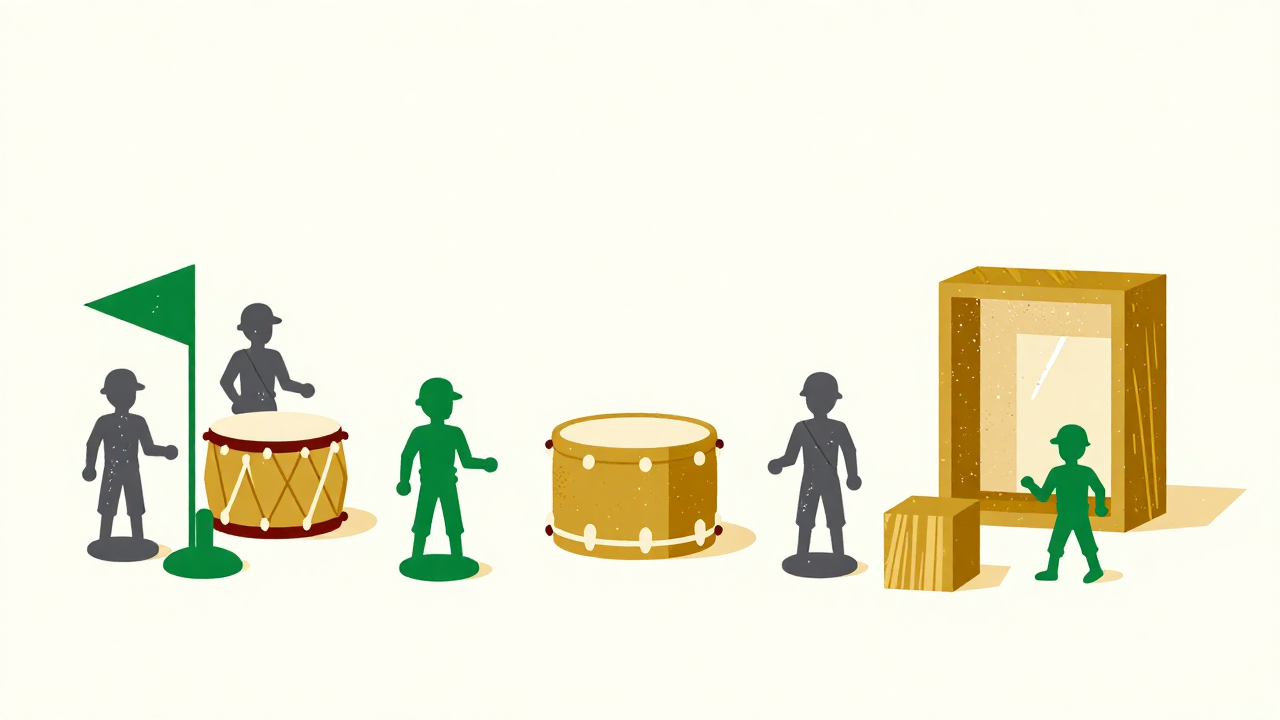
Toy Soldier Day, celebrated on March 4, is a delightful occasion that invites both young and old to embrace the charm of these timeless figures. Originating from the nostalgic tradition of toy soldiers, this day pays tribute to the craftsmanship and imagination that goes into creating these miniature warriors. Whether they're made of wood, plastic, or metal, toy soldiers have captivated generations, sparking creativity and adventure in the hearts of children and collectors alike.
On this special day, families and friends come together to reminisce about their own childhood experiences with toy soldiers, sharing stories and perhaps even engaging in playful reenactments. It’s a wonderful opportunity to explore the history behind these toys, from their origins in the 18th century to their evolution in popular culture. So, gather your toy soldiers, set up a battlefield, or simply take a moment to appreciate the joy they bring. Toy Soldier Day serves as a reminder of the power of imagination and play, celebrating the little things that can create lasting memories.
History
Toy Soldier Day is observed annually on March 4, celebrating the iconic miniature figures that have captivated the imaginations of children and collectors alike. The origins of this observance can be traced back to the 19th century when toy soldiers first emerged as popular children's playthings. These figures, originally crafted from lead, were designed to resemble soldiers from various historical periods, allowing children to engage in imaginative play that often mirrored real-life battles and military strategies.
Over the decades, the production of toy soldiers evolved significantly. By the mid-20th century, advancements in materials led to the creation of plastic toy soldiers, which became a staple in many households. The popularity of these toys surged during wartime, as they provided a means for children to engage with and understand military themes in a playful context. Toy Soldier Day serves as a reminder of this historical evolution, highlighting how a simple toy can reflect broader societal themes, including war, peace, and the innocence of childhood.
Culturally, Toy Soldier Day has grown to encompass not just the appreciation of these toys but also the nostalgia associated with them. Many adults who played with toy soldiers as children often find joy in revisiting their past through collecting or gifting these figures. The day encourages people to explore the creativity and imagination that toy soldiers inspire, as well as to recognize their place in the history of play and childhood development. Celebrations may include displays of toy soldier collections, storytelling, and engaging in games that utilize these figures, thereby fostering community and shared experiences.
In summary, Toy Soldier Day, observed on March 4, highlights the rich history and cultural significance of toy soldiers as both playthings and symbols of childhood. As this observance continues to evolve, it remains a day for reflection on the joy and creativity that these small figures can bring, bridging generational gaps and reminding us of the power of imagination in our lives.